

What Is Natural Coffee Processing?
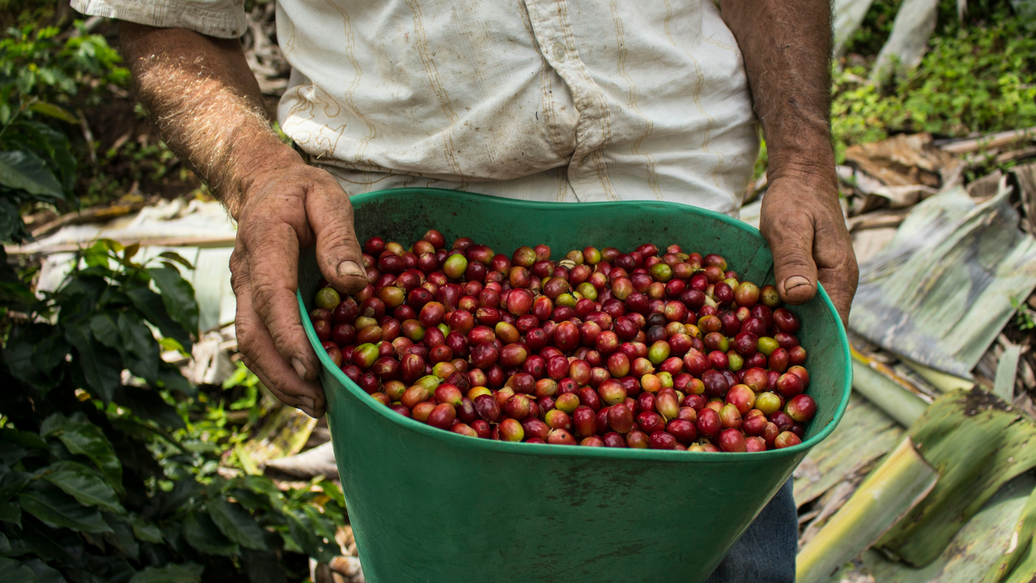
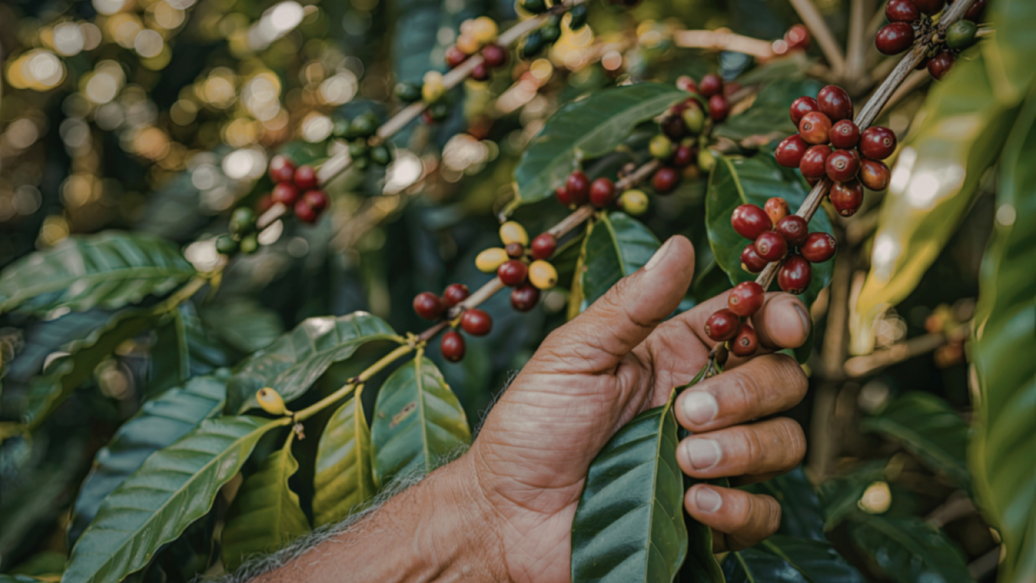
Natural coffee, also called dry processed coffee, is one of the oldest and most traditional ways to prepare coffee beans. After the cherries are harvested, they’re laid out in the sun to dry with the fruit still intact around the seed. Farmers rake and turn the cherries regularly to ensure even drying, a process that can take several weeks.
This method requires patience and skill, but the results are stunning. As the fruit slowly dries, it imparts natural sugars and fruity notes to the bean. The outcome? A sweet, full-bodied, and fruit-forward flavor that often carries hints of berries, tropical fruit, or wine-like complexity.
Because natural processing uses minimal water, it’s considered a more sustainable coffee method — ideal for farms in arid regions or those striving for eco-friendly operations.
In your cup: Expect rich sweetness, heavier body, and bold fruit tones.
What Is Washed Coffee Processing?
Washed coffee, or wet-processed coffee, takes a different approach. Instead of drying the cherries whole, the outer fruit is removed soon after harvesting. The beans are then fermented in water to remove the remaining sticky mucilage before being washed clean and dried.
This process demands a significant amount of water and close monitoring, but it delivers incredible clarity in flavor. Because the fruit is removed early, you’re tasting the bean itself, not the sugars of the cherry.
Washed coffees are often described as clean, crisp, and bright, with well-defined acidity and balanced sweetness. They highlight the terroir — the soil, altitude, and environment — of the coffee’s origin.
In your cup: Expect a lighter body, sparkling acidity, and a more refined taste experience.
Natural vs. Washed Coffee: Which Is Better?
There’s no right or wrong choice — just preference.
If you love bold, fruity flavors and a heavier mouthfeel, natural coffee might be your go-to. If you prefer nuanced, delicate flavors with a clean finish, washed coffee is likely to be your favorite.
For wholesale coffee buyers or café owners, offering both options can help you cater to a wider range of customer palates. Featuring these processing methods on your menu also gives you a chance to educate your customers about where their coffee comes from — a meaningful way to connect them to the source.
Sustainability and Ethical Coffee Sourcing
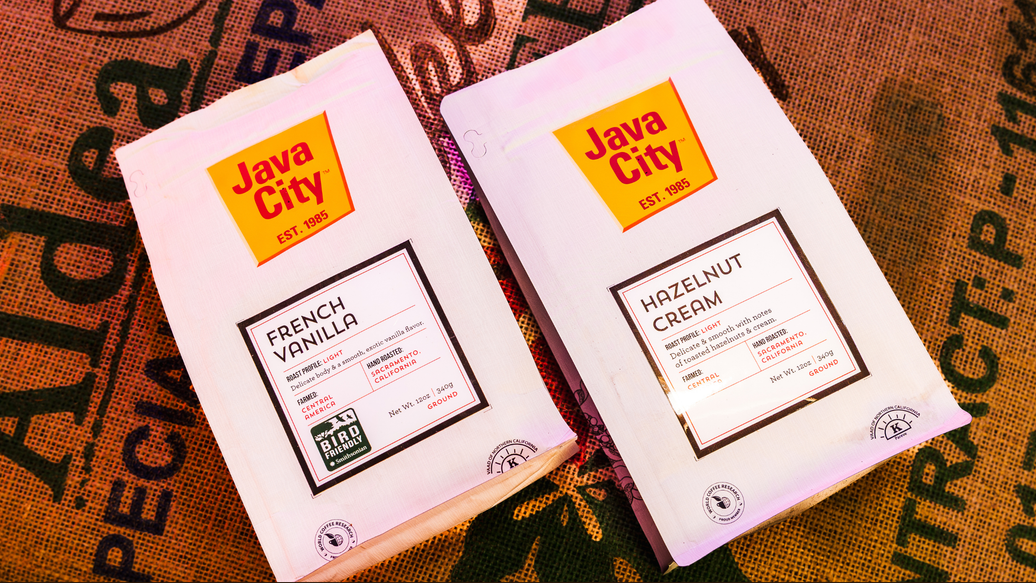
At Java City, we believe that great flavor starts with ethical coffee sourcing. We work with coffee farmers who prioritize sustainable coffee practices, whether they’re using water-efficient washed methods or traditional natural processing.
Our commitment as an eco-friendly roaster means we’re constantly finding ways to reduce our environmental impact — from energy-efficient roasting facilities to long-term farmer partnerships that support fair pay and responsible growing practices.
When you choose Java City, you’re choosing coffee that tastes good — and does good.
Final Sip
Next time you take a sip, think about the journey your coffee took — from the hands that harvested it to the roast that brought out its character. Because understanding natural vs. washed coffee isn’t just about taste — it’s about appreciating the people and processes that make every cup possible.