
If you’ve ever taken a sip of coffee and noticed a bright, lively sensation on your tongue, you’ve experienced acidity. It’s one of the most misunderstood parts of coffee, and many people confuse it with bitterness or assume it means the coffee is harsh on the stomach. We hear questions all the time like, "Is coffee acidic?" or "What does acidity mean in coffee?" and we love helping people understand the real answer. Acidity isn’t something to avoid. It’s one of the qualities that brings coffee to life. Today on the blog, our roasters share coffee acidity explained in a way that makes it easy to understand and enjoy.

What Coffee Acidity Truly Means
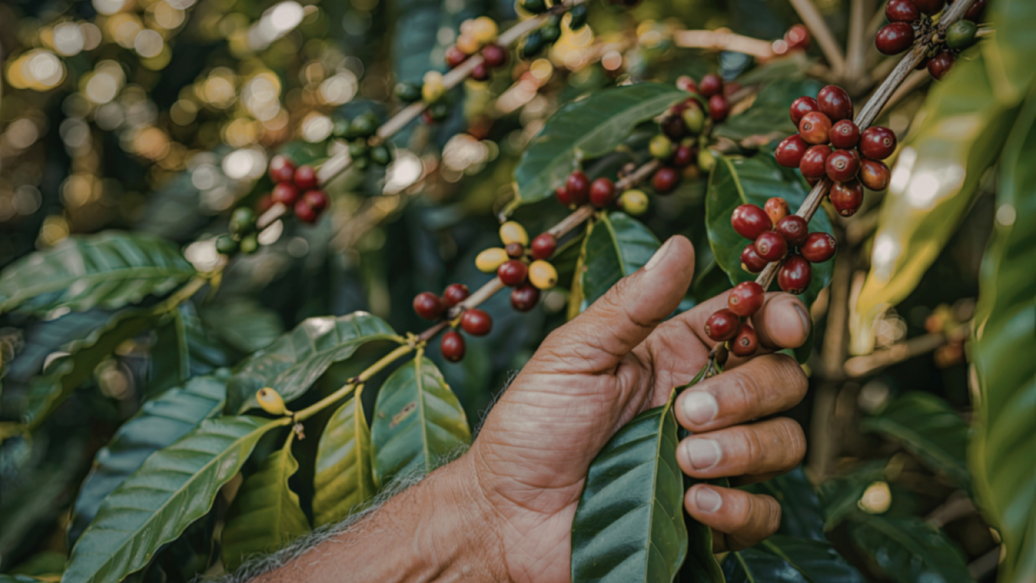
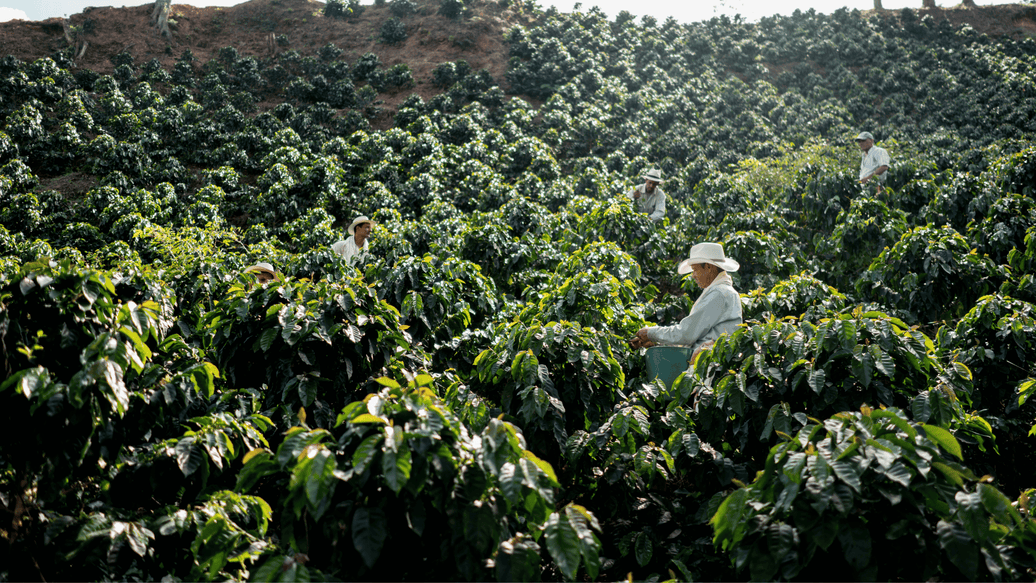
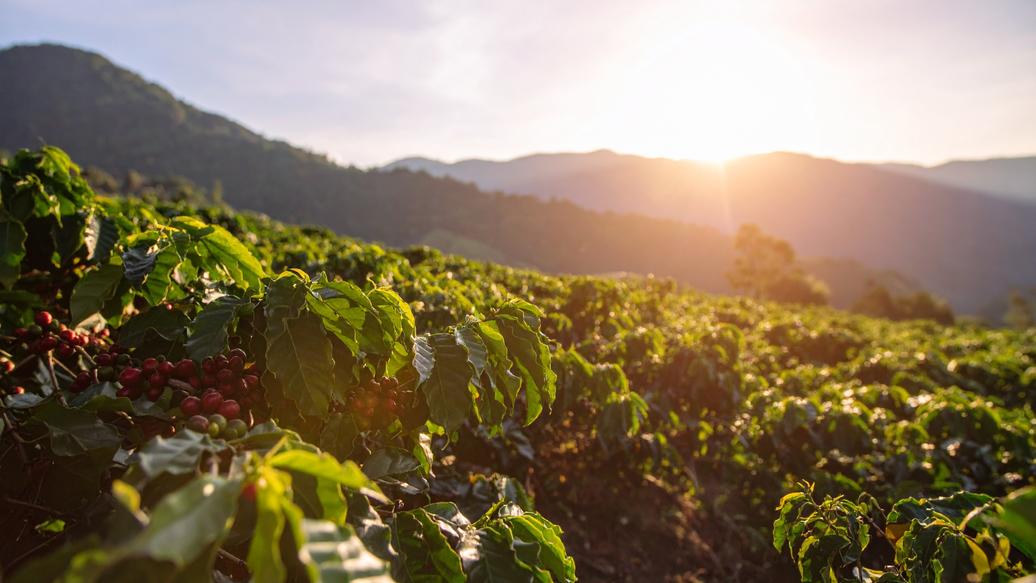
When we talk about coffee acidity explained, we like to compare it to the experience of eating fruit. Think about the crisp bite of an apple or the bright tang of a berry. That refreshing spark is the same type of acidity that shows up in coffee. It’s a natural characteristic of the bean, shaped by the soil, the growing conditions, and the roasting process.
In the coffee world, acidity refers to flavor clarity and vibrancy. It adds lift and sparkle to the cup. It helps define a coffee’s personality. A coffee without any acidity can taste flat or dull, while a coffee with balanced acidity feels clean, crisp, and full of character.
Acidity Does Not Mean Harsh
One of the biggest myths we hear is that acidity means the coffee is rough on your stomach. That isn’t the case. Acidity in flavor is completely different from the pH level that affects digestion. When someone asks, is coffee acidic?, we often explain that most coffees fall within a similar pH range, so the taste of acidity doesn’t automatically mean the coffee is more acidic chemically.
This confusion often causes people to avoid coffees with bright flavor notes when they would actually enjoy them. Once customers understand the difference, they often feel more confident exploring new coffee flavor profiles.
How Acidity Shapes Flavor
Acidity influences the personality of the cup. Different types of acidity show up in different ways, and many of them are delicious.
Here are a few common expressions of acidity you might taste:
-
Citrus notes that resemble lemon or orange
-
Apple-like crispness
-
Berry-like sweetness
-
Wine-like brightness
-
Tropical fruit tang
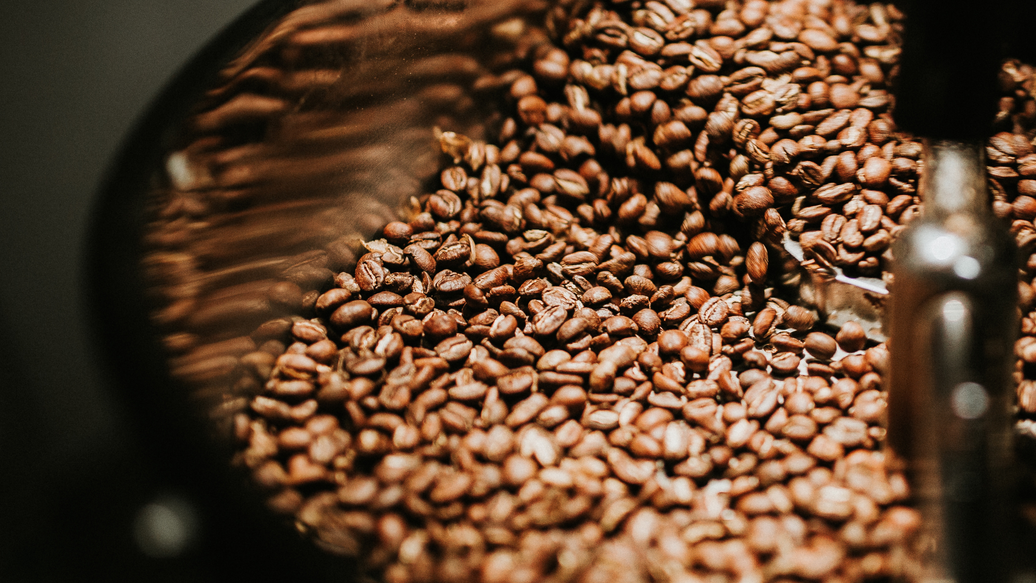
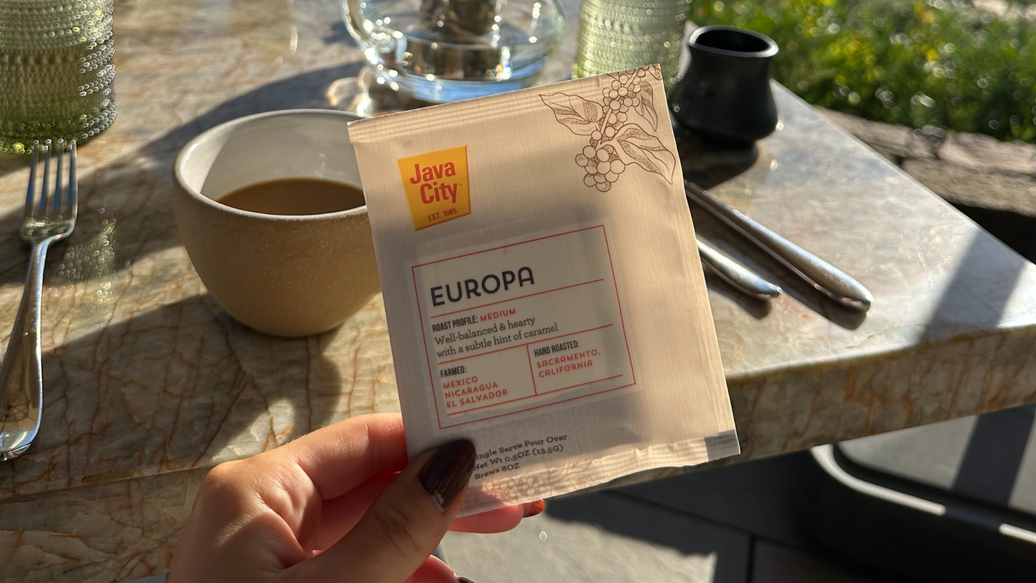
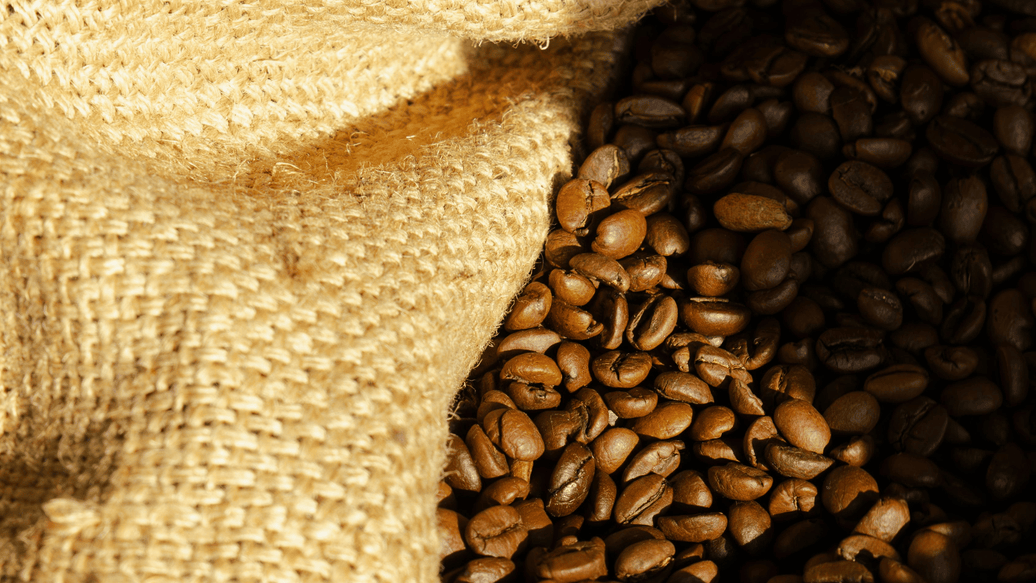
These flavors develop naturally in the coffee’s origin and are enhanced or softened during roasting. Light coffee roasts, like our Finca San Francisco, tend to highlight acidity, which is why they often taste citrusy or floral. Medium coffee roasts, like our Europa Blend, balance acidity with sweetness. Darker roasts, like our Tierra Tranquila, soften acidity and create a deeper, caramelized flavor.
Choosing Your Preferred Acidity Level
Understanding acidity helps you choose coffee that suits your taste. If you love lively, fruit-forward notes, you may enjoy coffees from regions like Kenya, Ethiopia, or Central America. These coffees often have sparkling acidity that feels refreshing and clean. They make great morning brews when you want something bright and energizing.
If you prefer something smooth, mellow, and grounded, you might choose a medium or dark roast. These coffees still have acidity, but it’s softer and more rounded. You may notice chocolatey, nutty, or caramel-like flavors instead of citrus or berry notes.
Low Acid Coffee vs. Regular Coffee
We also get a lot of questions about low-acid coffee vs. regular coffee. Low-acid coffees are typically created through careful sourcing and roasting that naturally reduce the perception of acidity in the cup. These coffees aren’t completely free of acidity, but they are gentle and smooth. They’re a great option for people who experience sensitivity or simply prefer a milder flavor profile.
Regular coffees vary widely depending on origin and roast level. Some are bright and lively. Others are sweet and balanced. Many fall somewhere in between. Knowing your preference helps you choose the right style for your morning routine.
How We Think About Acidity as Roasters
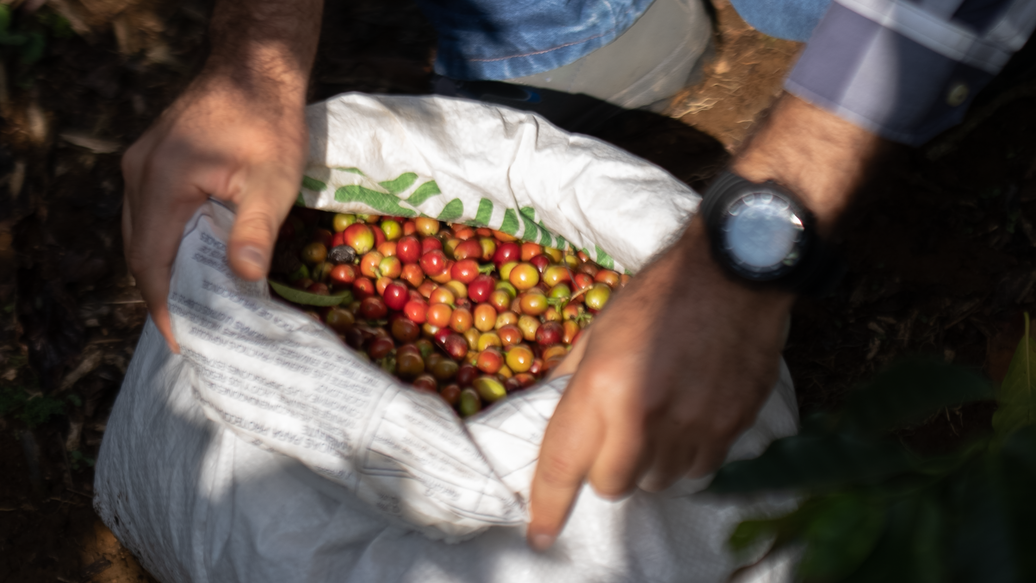
Acidity is one of our favorite parts of coffee because it tells a story. It reveals where the coffee was grown, how the coffee was harvested, and how it was roasted. When we create a roast profile, we think about how to honor the natural acidity without overwhelming the cup. Sometimes we highlight it. Sometimes we soften it. Every decision shapes the final flavor.
Our goal is always the same: we want the acidity to feel clean, enjoyable, and in harmony with the sweetness and body. That balance is what creates the smooth and memorable experience that Java City is known for.
Coffee Acidity Explained
Acidity is not something to fear in coffee. It’s something to understand and appreciate. It brings brightness, depth, and personality to every cup. Once you know what acidity truly means and how it shapes your favorite coffee flavor profiles, you can choose coffees that match your taste with confidence.
Whether you enjoy something bright and citrusy or smooth and mellow, there’s a perfect cup waiting for you. And if you ever want help exploring new coffees or learning more about what you taste, we’re always excited to guide you. Coffee is full of flavor and discovery, and acidity is one of the most beautiful parts of the journey.
Local to the Sacramento area? Order our signature drinks for online pickup at our drive-up cafe.