
Hard vs. Soft Water Explained
If you’ve ever brewed a pot of coffee that tasted flat one day and incredible the next, even when using the same beans, you’re not imagining things. The real culprit might not be your grinder, your brewer, or your technique. It might be your water.
At Java City, we believe great coffee doesn't happen by accident. It’s the result of intentional sourcing, careful roasting, and a deep respect for the craft from farm to cup. However, even the most beautifully roasted beans can’t reach their full flavor potential if the water isn’t right. And in Sacramento (and just about everywhere else), hard vs. soft water coffee debates are becoming more important than ever.
Today, we’re breaking it all down: what hard and soft water really mean, how mineral content affects extraction, and why understanding your water is one of the easiest ways to level up your brew.

What Is Water Hardness?
Water hardness comes down to one thing: minerals.
Hard water contains higher amounts of calcium and magnesium. Soft water has fewer minerals and may include added sodium, depending on the treatment process. These minerals interact directly with the soluble compounds in coffee, affecting everything from flavor clarity to aroma to the rate at which your grounds extract.
Think of water as your coffee’s dance partner. The right balance of minerals can lift and support the beans, helping them shine. The wrong balance can step on their toes.
How Hard Water Impacts Coffee
If you’ve ever wondered, “Does water impact coffee?” the answer is a loud, undeniable yes.
1. Hard Water Extracts More Flavor Compounds
Minerals in hard water naturally bind to the flavorful molecules found in coffee grounds. This sounds like a good thing… and sometimes it is. Hard water can amplify certain notes, especially chocolatey, nutty, or caramel profiles.
Of course, there’s a catch. If your water is too hard, it can over-extract your coffee, pulling out bitter compounds and muting the nuance of lighter roasts. This leads to brews that taste harsh, dull, or overly tannic.
2. Hard Water Leaves Buildup in Your Equipment
Calcium and magnesium don’t just interact with your ground —they build up in your machines.
That means:
-
Scale in your kettle
-
Mineral crust in your coffee maker
-
Reduced water flow
-
Shorter equipment lifespan
For offices, cafés, or high-volume brewers, this can dramatically impact consistency. At Java City, we roast with consistency as a core value, so this is the kind of hidden factor we coach our wholesale coffee partners through.
How Soft Water Impacts Coffee
1. Soft Water Brews a Cleaner, Brighter Cup
Because soft water contains fewer minerals, it extracts more gently. This is ideal for:
-
Light roasts
-
Floral or fruity coffees
-
Coffees with delicate acidity
If your brew tastes “too strong,” soft water can smooth things out with a more balanced extraction.
2. Soft Water Can Also Under-Extract
On the flip side, too little mineral content can lead to flat or sour flavors. Without enough binding points, your water won’t pull the full range of solubles from the beans.
The result? Coffee that tastes hollow or unfinished.
Hard vs Soft Water Coffee: Which Is Better?
Here’s the twist: neither is inherently better.
Coffee is chemistry, and balance is everything.
The Specialty Coffee Association recommends water with:
-
Calcium hardness: 50–175 ppm
-
Total dissolved solids (TDS): 75–250 ppm
-
Neutral pH
In other words: not too hard, not too soft.
Think of this as the “Goldilocks Zone” of brewing. Enough minerals to extract fully, but not so many that they overwhelm your coffee’s natural character.
At Java City, this is why we emphasize consistency. We roast in small batches and work closely with our Coffee Farmers Co-Op partners to protect quality at every step. However, your water is the final ingredient, and it's where consistency often falls apart at home or in the office.
How to Improve Your Brew Based on Your Water
Here's how to adjust your method depending on what’s coming out of your tap.
If You Have Hard Water:
-
Use a filtered pitcher to reduce mineral levels
-
Try bottled spring water (not distilled)
-
Choose medium or dark roasts, which pair better with mineral-rich extraction
If You Have Soft Water:
-
Consider adding mineral packets (such as Third Wave Water)
-
Choose lighter roasts to enhance clarity
-
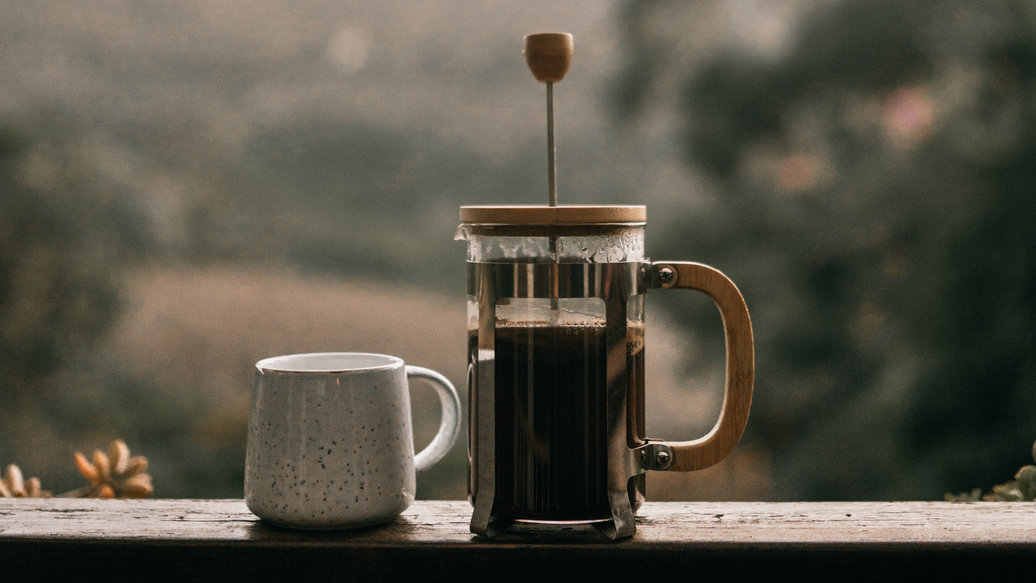
Use brewing methods that encourage fuller extraction: pour-over, French press, etc.
If You Use a Coffee Maker in an Office Setting:
This is where our team at Java City often steps in to help troubleshoot. The best office coffee programs use filtration systems specifically designed for brewing. The result? Better flavor, less maintenance, and more consistency for your team.
Because when we say coffee is a craft, we mean it. Every detail matters.
Personal Brewing, Professional Craft
At Java City, quality is more than a process: it’s a value. We roast slowly, intentionally, and in small batches right here in Sacramento because we care about preserving the integrity of every bean. We partner closely with farmers because coffee sustainability matters. We educate our wholesale partners because great coffee is meant to be shared and experienced at its highest potential.
Understanding your water is one more way to honor that craft.
Whether you're brewing at home, managing a busy café, or stocking coffee for your office team, the right water brings your coffee to life in a way you can taste from the very first sip.
FAQs About Water and Coffee
Does water impact coffee flavor?
Absolutely. Water makes up 98% of your cup, so mineral content directly affects extraction, mouthfeel, and flavor clarity.
Is hard water bad for coffee?
Not always. Hard water can enhance certain flavor notes, but too much hardness can cause bitterness and equipment buildup.
Is soft water better for brewing?
It depends on the roast. Soft water highlights light, bright, and delicate coffees, but can under-extract if mineral content is too low.
Can I use distilled water?
No. Distilled water has zero minerals, which leads to flat flavor and inconsistent extraction.
What’s the best water for coffee?
Water with balanced minerals, such as spring water, filtered water, or water optimized for brewing.