
Small-batch roasting leaves very little room for guesswork. Every bean, every roast curve, and every subtle aroma play a role in the final cup. That’s why cupping — the structured, sensory evaluation of coffee — is one of the most important practices in any roastery. At Java City, cupping isn’t a fancy add-on or a trend; it’s woven into our daily workflow to ensure the flavor, consistency, and integrity you expect from responsibly roasted beans. Below, we explain why we practice coffee cupping for quality control.

What Is Coffee Cupping?
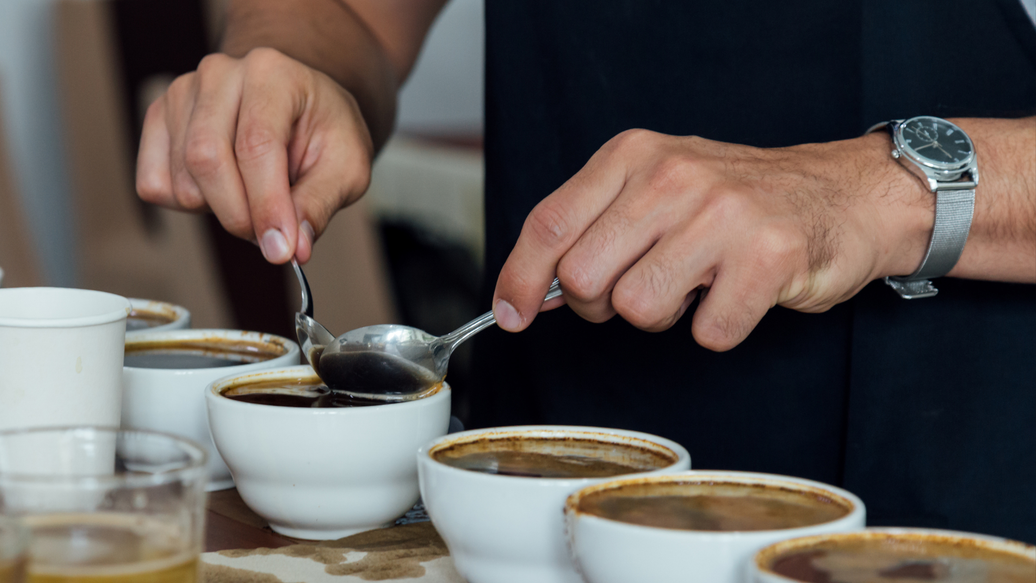
Coffee cupping is a method used to taste coffee in a controlled, repeatable way. Roasters, importers, and producers use it to assess qualities like aroma, acidity, sweetness, body, and aftertaste. It’s surprisingly simple: fresh-ground coffee, hot water, and a set amount of time. However, within that simplicity is a powerful tool that helps us understand how a coffee behaves, how it changes, and how to bring out its best.
According to the Coffee Quality Institute, cupping is the global standard for evaluating green coffee and ensuring consistent quality across the industry. This protocol keeps the process fair, measurable, and reliable — no matter who’s doing the tasting.
Source: Coffee Quality Institute
Why Cupping Matters for Small-Batch Roasters
1. It Keeps Flavor Consistent
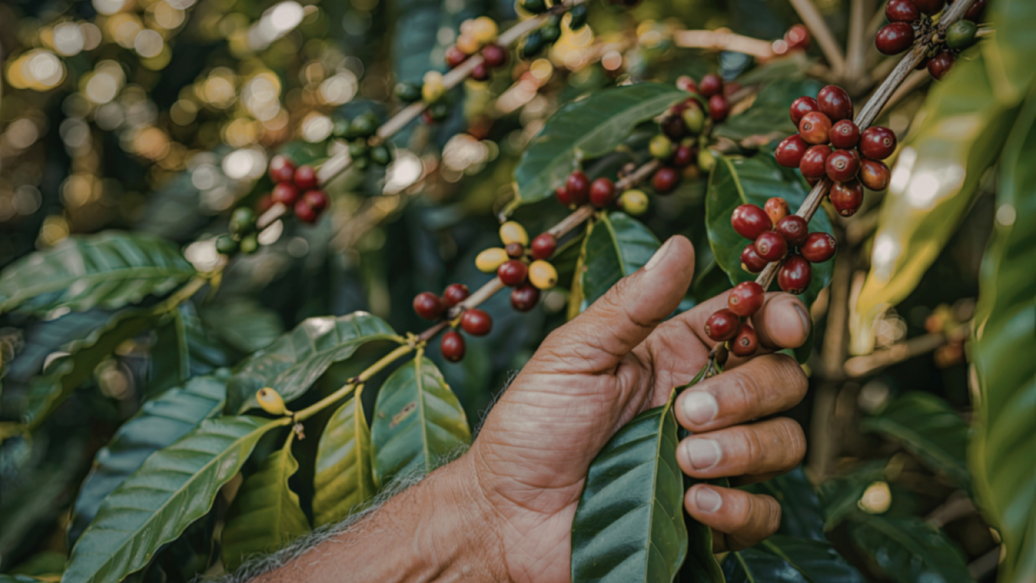
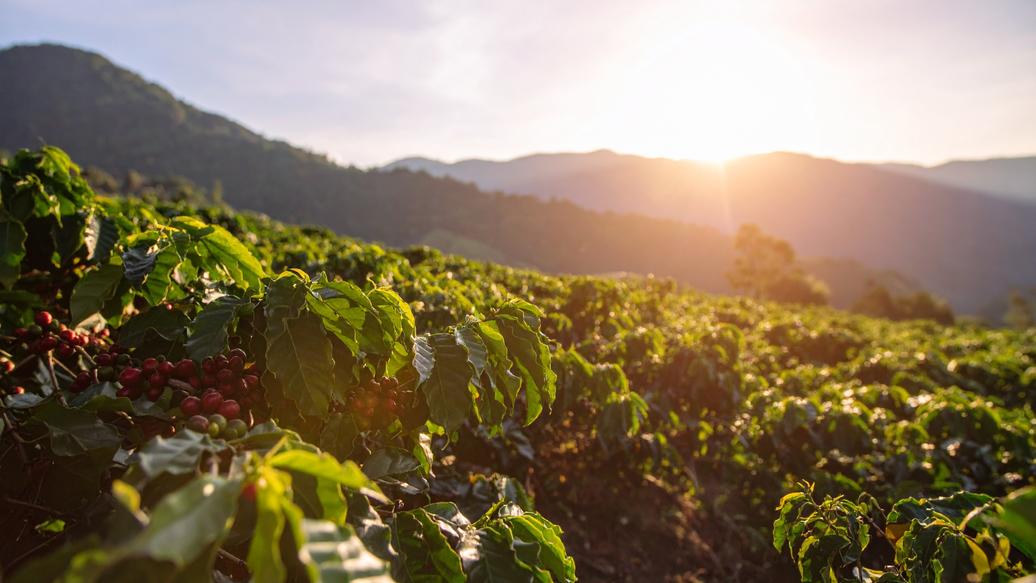
In small-batch roasting, consistency is one of the biggest challenges. Weather, soil conditions, altitude, and processing can all change how a coffee tastes from harvest to harvest. Even slight variations in moisture or density can influence how the beans react in the roaster.
Cupping allows us to compare batches side by side. We can detect micro-shifts in flavor and adjust our roast profiles immediately. This is how we maintain the signature Java City taste, even as the coffee itself evolves throughout the year.
2. It Helps Identify Defects Early
Some defects start at the farm level, while others happen during storage or transport. A bean may be underdeveloped, over-fermented, or simply past its prime. You can’t always see these issues, but you can taste them.
Cupping catches defects before they ever make it into a bag. The moment we detect astringency, bitterness, moldy notes, or papery flavors, we know something’s off. That early detection protects the integrity of every product we put our name on.
3. It Guides Roast Development
Great roasting isn’t about sticking to a formula — it’s about understanding what each coffee wants to become. During cupping, we evaluate a coffee at different roast levels, allowing us to see where its sweetness peaks, where acidity brightens, and where body settles in.
Sometimes a bean shines at a lighter roast, showcasing delicate florals. Sometimes it prefers depth and warmth. Cupping helps us tailor each profile to highlight natural characteristics instead of overpowering them.
4. It Supports Responsible Sourcing
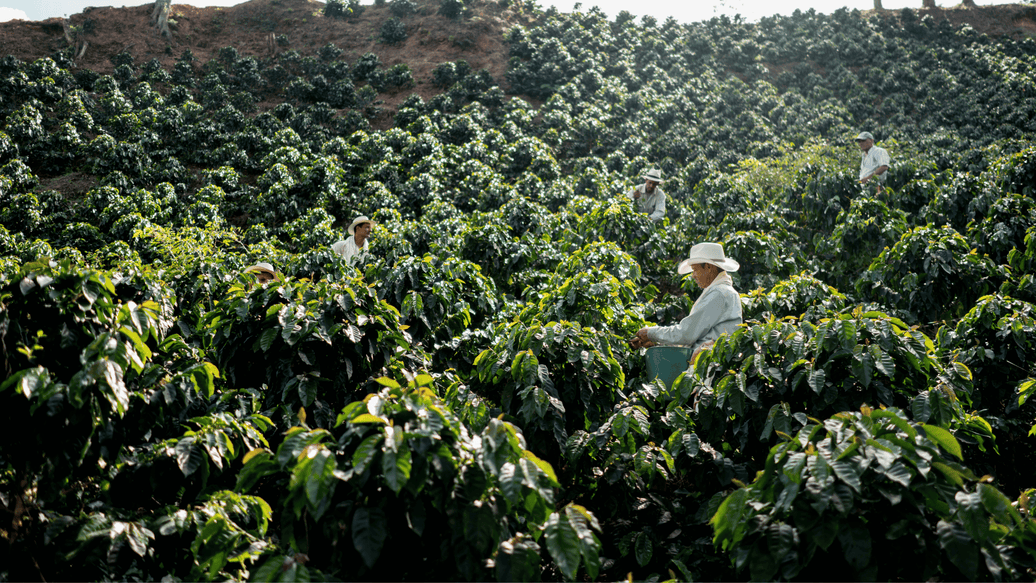
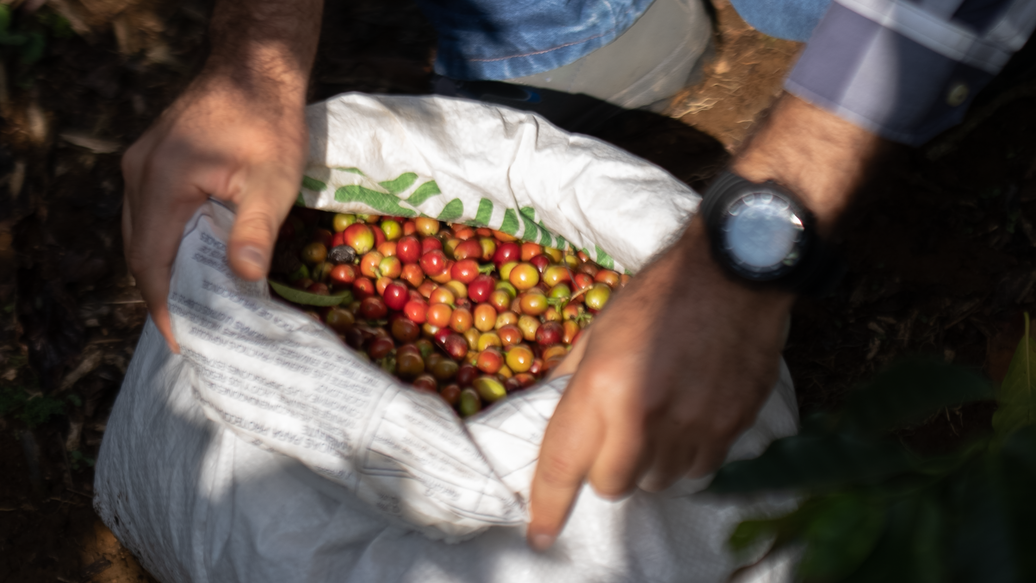
Before we commit to a new lot of green coffee, we cup it several times — unroasted, lightly roasted, and fully profiled. This process ensures the beans meet our standards for quality, traceability, and sustainability.
For health-conscious customers who care about what goes into their cup, cupping is an essential part of transparency. It lets us confirm that the beans are clean, properly processed, and free from defects that can compromise flavor or purity.
5. It Sharpens Our Sensory Skills
Cupping isn’t something you do once and master. It’s an ongoing calibration. Our roasting team cups daily, comparing notes, refining language, and aligning our palates. This shared understanding keeps our evaluations consistent — and it helps us stay connected to the craft.
Why This Matters to Health-Conscious Coffee Drinkers
More and more people are looking for coffee that’s clean, natural, and thoughtfully produced. Cupping plays a major role in delivering exactly that.
Because we taste every roast, we’re able to:
-
Avoid over-roasting, which can mute natural antioxidants
-
Keep the cup free from bitterness and astringency
-
Highlight natural flavors instead of masking defects
-
Preserve bean integrity through controlled, intentional roasting
Simply put, cupping is one of the reasons Java City coffee tastes balanced, smooth, and true to origin — without shortcuts or gimmicks.
Cupping at Java City: Our Process
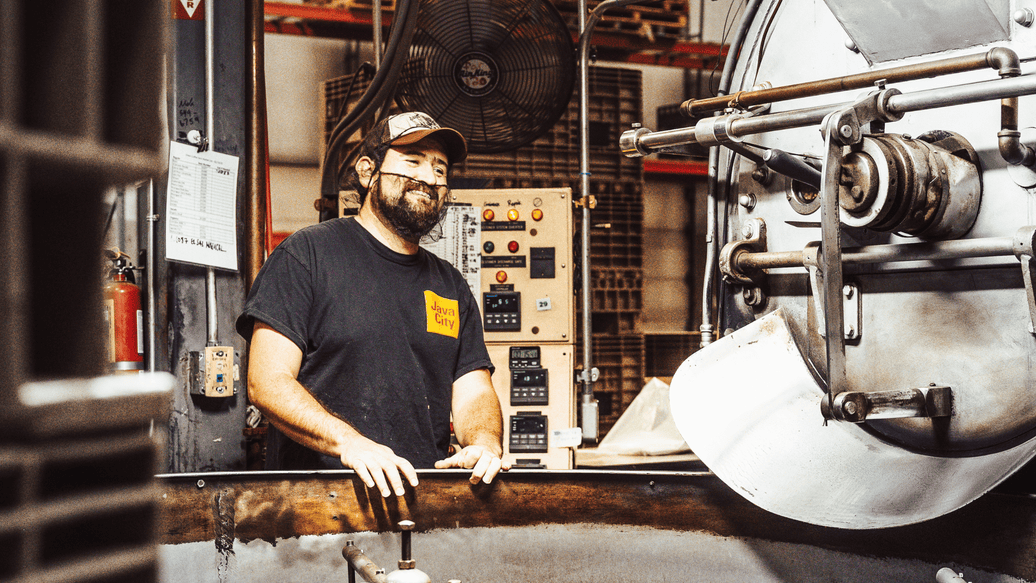
Every roast day in our Sacramento roastery includes cupping. We line up fresh batches, record our notes, and compare results to our target flavor profile. When we see an opportunity to refine a roast curve, we adjust. When we find that a coffee expresses new seasonal coffee flavors, we celebrate it.
This constant feedback loop helps us produce small-batch coffee with big consistency — the kind you can rely on.
FAQ
What is coffee cupping in simple terms?
Cupping is a structured way to taste coffee. It lets roasters compare flavors, identify defects, and understand how a coffee naturally tastes.
Is cupping only for professionals?
Not at all. Anyone can cup coffee at home using basic tools. The professional protocol is just more standardized.
How often do roasters cup their coffee?
Serious small-batch roasters cup every roast or at least every production day. It’s a foundational part of quality control.
Does cupping change how the coffee is roasted?
Yes. Cupping directly influences roasting decisions. If a coffee tastes flat, bitter, or underdeveloped, the roast profile gets adjusted.
Why does cupping matter for health-minded drinkers?
Because it helps ensure the beans are clean, defect-free, and roasted in a way that maintains their natural benefits.