
Coffee is not always a constant crop. Even on the most well-managed farms, production naturally rises and falls from year to year. This cycle is known as biennial bearing, and it plays a major role in everything from flavor consistency to supply planning.
If you have ever wondered why some harvests are more abundant than others or why coffee availability can shift slightly from year to year, it often comes back to this natural rhythm.

What Happens to Coffee Trees in the ‘Off Year’? Understanding Biennial Bearing
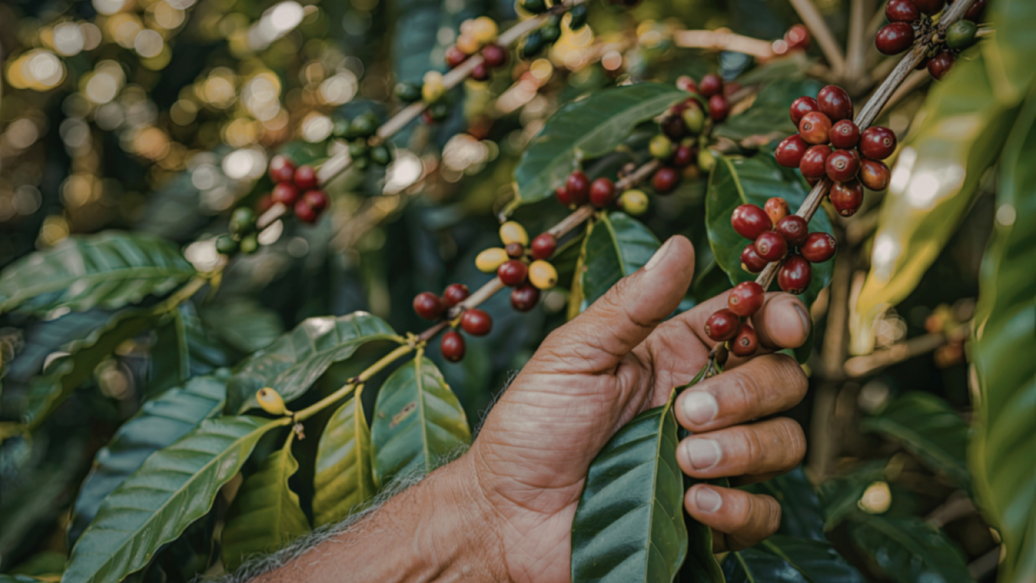
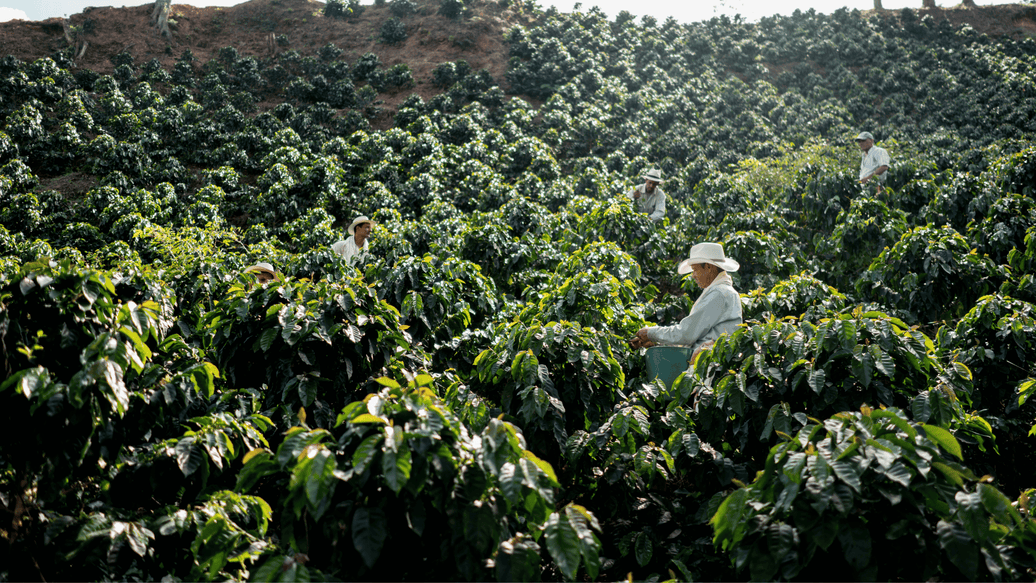
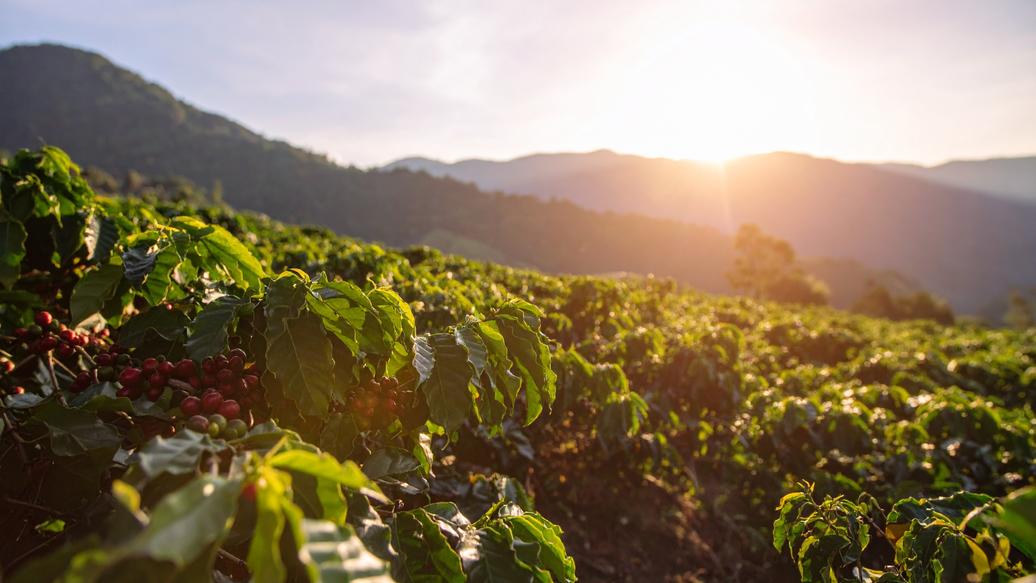
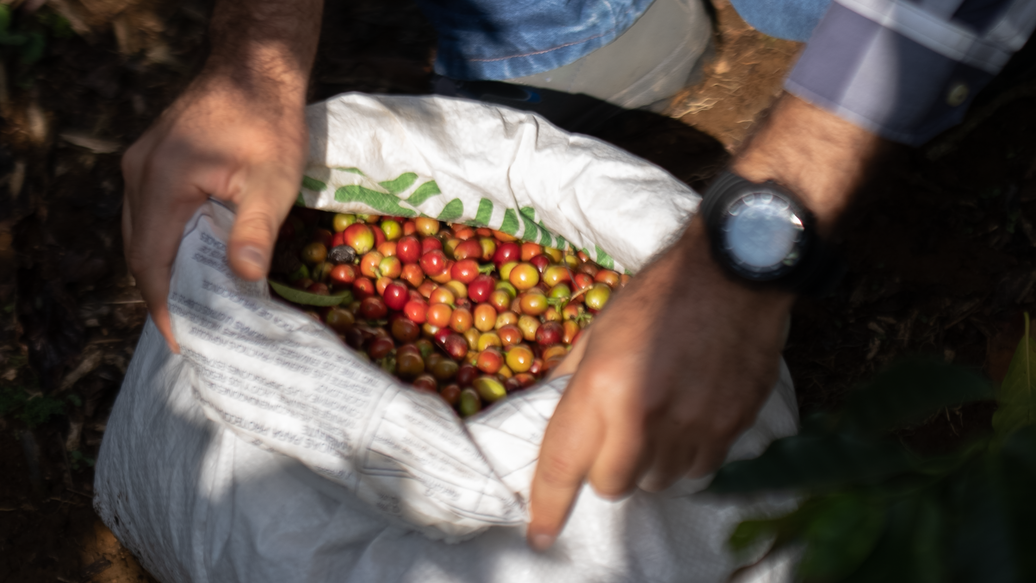
Biennial bearing is a common agricultural pattern where coffee trees alternate between a high-yield year and a lower-yield year. After producing a large crop, the tree uses a significant amount of its stored energy. In the following season, it needs time to recover, resulting in fewer coffee cherries.
This cycle is especially common in Arabica coffee, which is grown at higher elevations and requires more precise conditions to thrive.
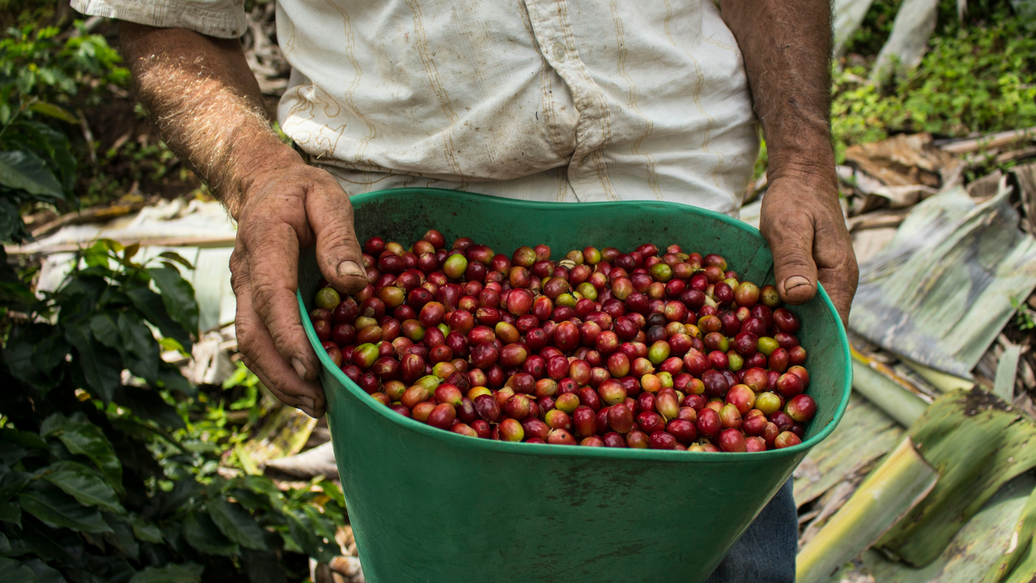
In a “heavy” year, trees produce more cherries than usual. In the “off year,” production decreases, but the tree is rebuilding its strength for the next cycle.
What Happens During the ‘Off Year’?
An off year does not mean a bad year. In fact, it is a critical part of the coffee tree’s long-term health.
During this period, the tree focuses on:
-
Regenerating energy reserves
-
Strengthening root systems
-
Supporting new branch and leaf growth
-
Preparing for the next flowering cycle
With fewer cherries to support, the plant can direct more nutrients into each one. This can sometimes result in more concentrated flavor development, depending on the region and growing conditions.
For farmers, however, the off-year can mean reduced income and tighter margins. That is why stable coffee partnerships and thoughtful sourcing models matter.
How Biennial Bearing Impacts the Coffee Harvest
The coffee harvest is directly influenced by this cycle. In a high-yield year, farms may see larger volumes but slightly less uniformity. In an off year, yields drop, but the focus shifts to quality and plant recovery.
This pattern also ties into the broader season of coffee, which varies by region. Countries near the equator may have multiple harvest periods, while others follow a single annual cycle. Biennial bearing overlays these seasonal patterns, creating natural fluctuations in supply.
For roasters and buyers, understanding this rhythm is essential. It allows for better forecasting, more consistent sourcing, and stronger relationships with producers.
Why This Matters for Quality and Availability
Coffee is an agricultural product, not a manufactured one. That means supply is never perfectly flat year over year.
Biennial bearing can influence:
-
Availability of specific lots or origins
-
Pricing at the farm level
-
Flavor profiles from one harvest to the next
-
Blending strategies used by roasters
Rather than working against this cycle, experienced roasters plan around it.
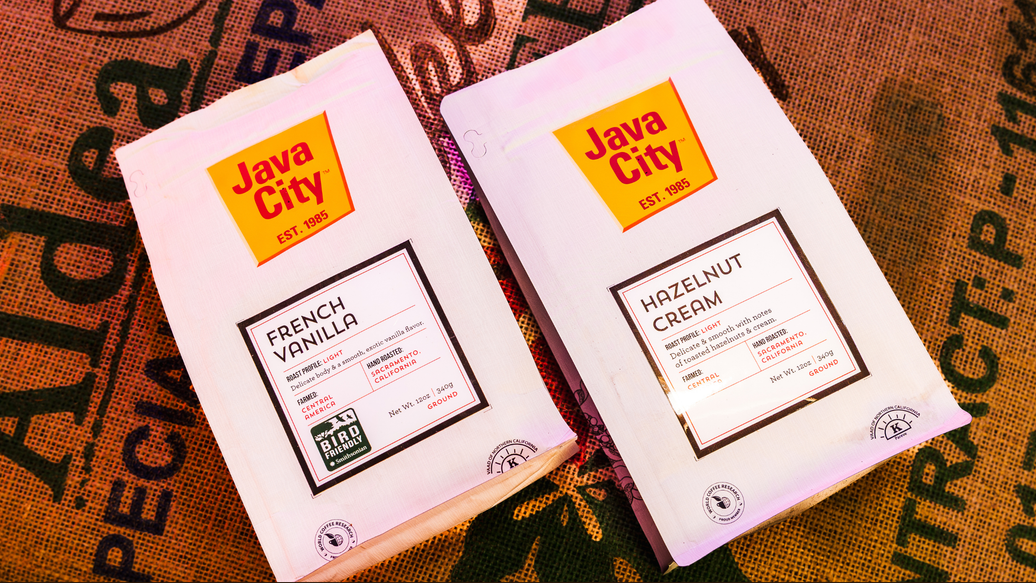
At Java City, we build long-term relationships with farming partners to maintain consistency even when natural production shifts. By sourcing across multiple regions and working closely with cooperatives, we are able to balance these fluctuations without compromising quality.
Supporting Farmers Through the Cycle
The off-year is where strong partnerships make the biggest difference.
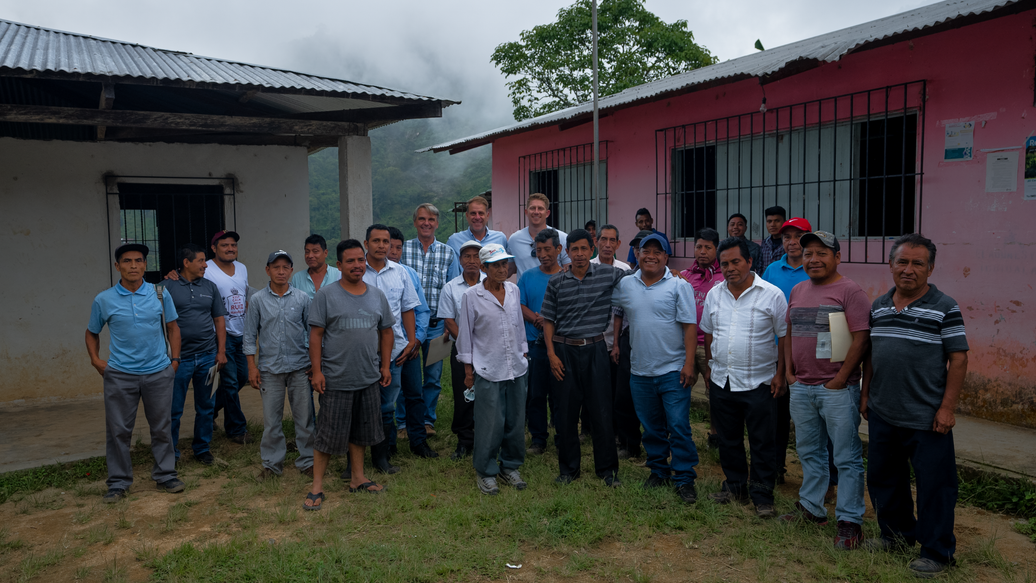
Because production dips, farmers rely on stable pricing and reliable buyers to maintain their operations. This is why we prioritize a cost-plus-profit sourcing model that supports livable wages, regardless of yield swings.
Working with organizations like The Coffee Farmers Co-op allows us to stay closely connected to what is happening at the origin. It also ensures that farmers are supported not just in high-volume years, but in recovery years as well.
This approach helps protect both quality and long-term sustainability.
From Harvest to Roast: Maintaining Freshness
Once coffee is harvested, processed, and shipped, the next stage is roasting. This is where timing becomes just as important as sourcing.
The coffee roast date is one of the most important indicators of freshness. After roasting, coffee begins to release gases and gradually lose its peak flavor.
So, how long after roast date is coffee good? In general:
-
Coffee is at its best between 3 to 21 days after roasting
-
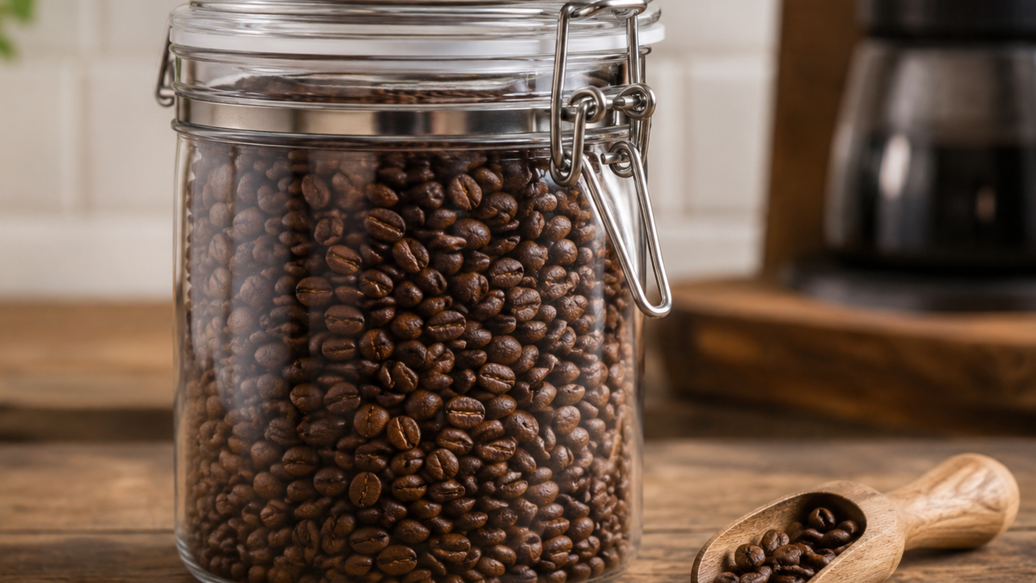
Whole beans retain freshness longer than ground coffee
-
Proper storage helps extend flavor and aroma
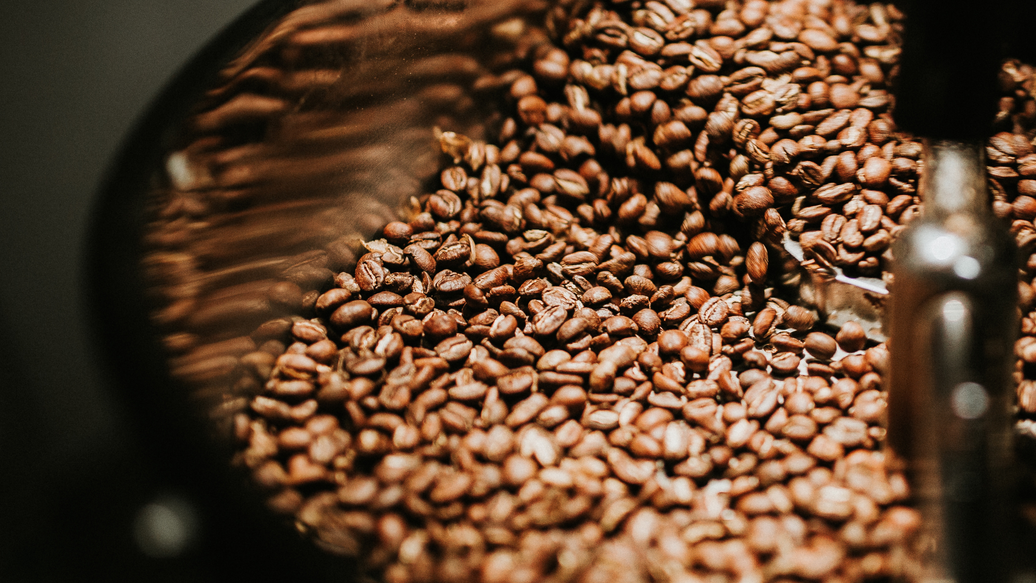
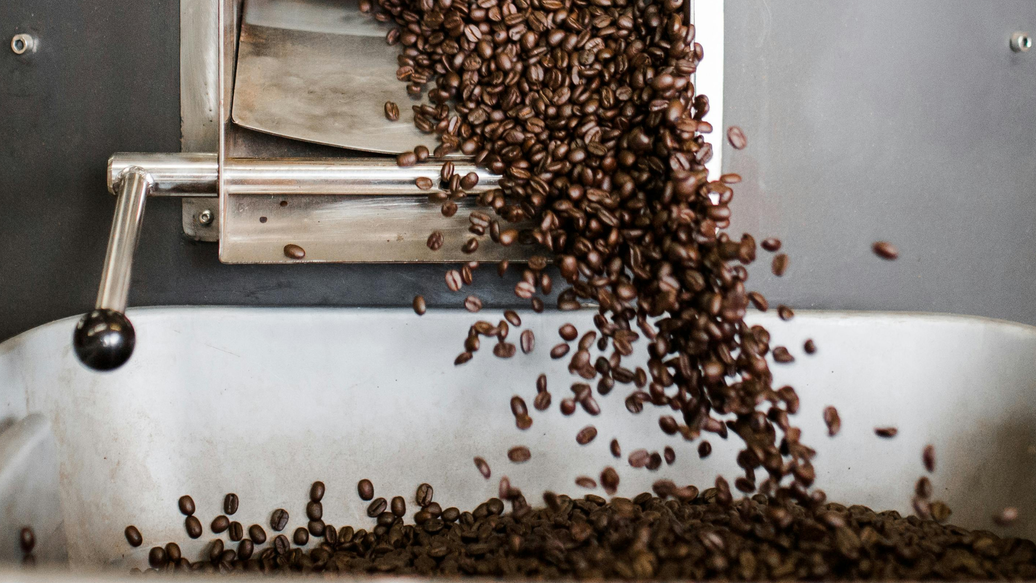
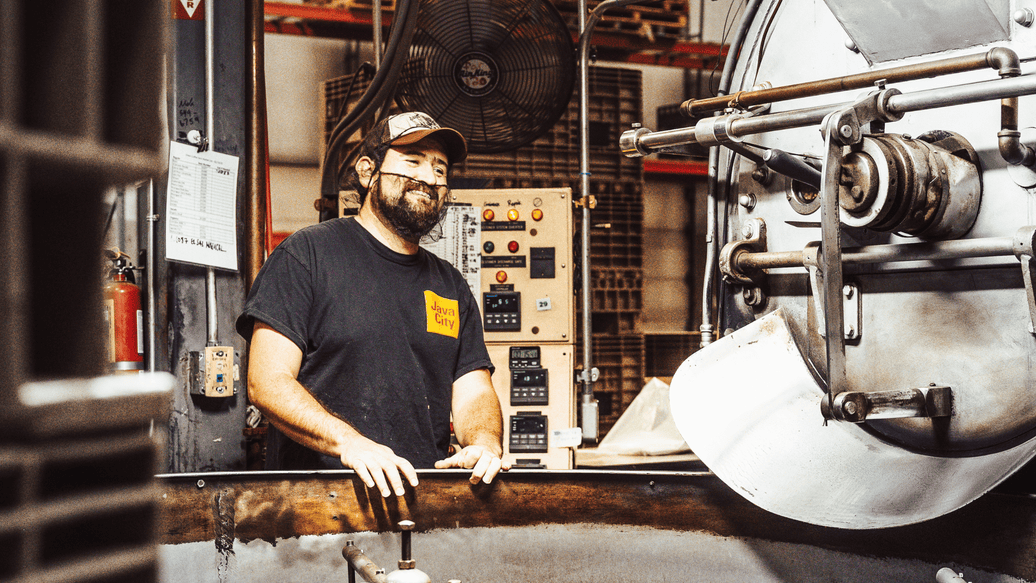
At Java City, we roast in small batches and closely monitor timing to ensure that what you receive is within its optimal window. Even as we navigate the natural cycles of farming, we stay focused on delivering a consistent, high-quality cup.
A Natural Cycle Worth Understanding
Biennial bearing is not a flaw in coffee production. It is a natural part of how coffee trees grow and thrive.
By understanding this cycle, you gain a better appreciation for the work behind every cup. From the farmer managing yield fluctuations to the roaster planning around seasonal shifts, every step requires attention, experience, and long-term thinking.
At Java City, we do not try to force consistency out of an inconsistent crop. We work with it. Through strong partnerships, responsible sourcing, and careful roasting, we ensure that every bag of Java City coffee reflects both the craft and the care behind it.
Because great coffee is not just about what is in the cup. It is about everything that happens before it.