
“Sustainable coffee” has become one of the most common phrases in the coffee industry. It appears on packaging, websites, café menus, and wholesale programs everywhere. However, for many consumers and business owners, the meaning behind the label is still unclear.
Is sustainable coffee about farming practices? Is it about fair wages? Is it about the environment? The answer is all of the above.
True sustainability in coffee goes far beyond marketing language. It involves how coffee is grown, harvested, processed, sourced, transported, and purchased. It also reflects how companies treat the farmers and communities responsible for producing coffee in the first place.
As more consumers actively seek out ethical coffee brands and businesses prioritize responsible sourcing, understanding what sustainable coffee actually means has become more important than ever.

Sustainability Starts at the Farm
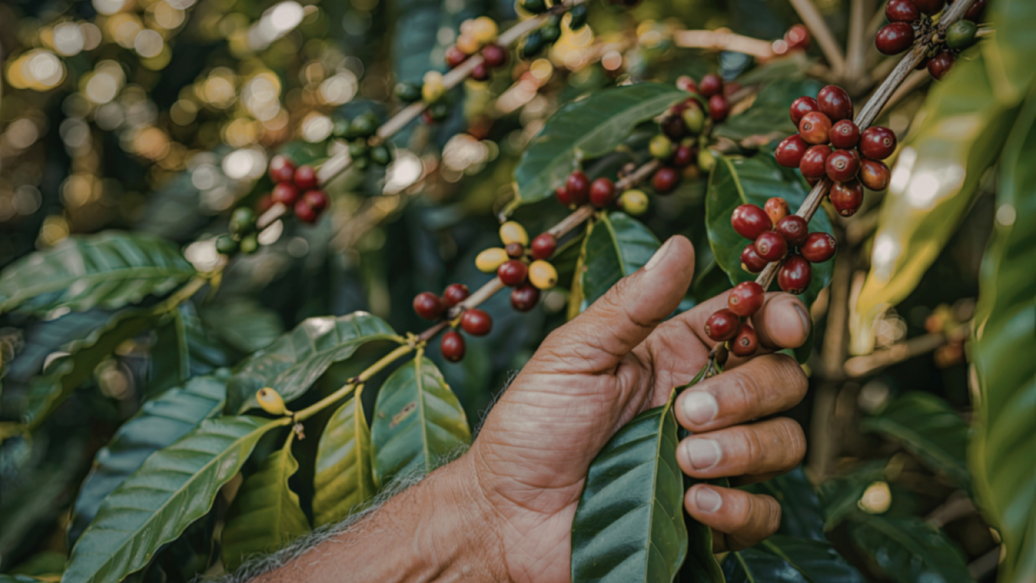
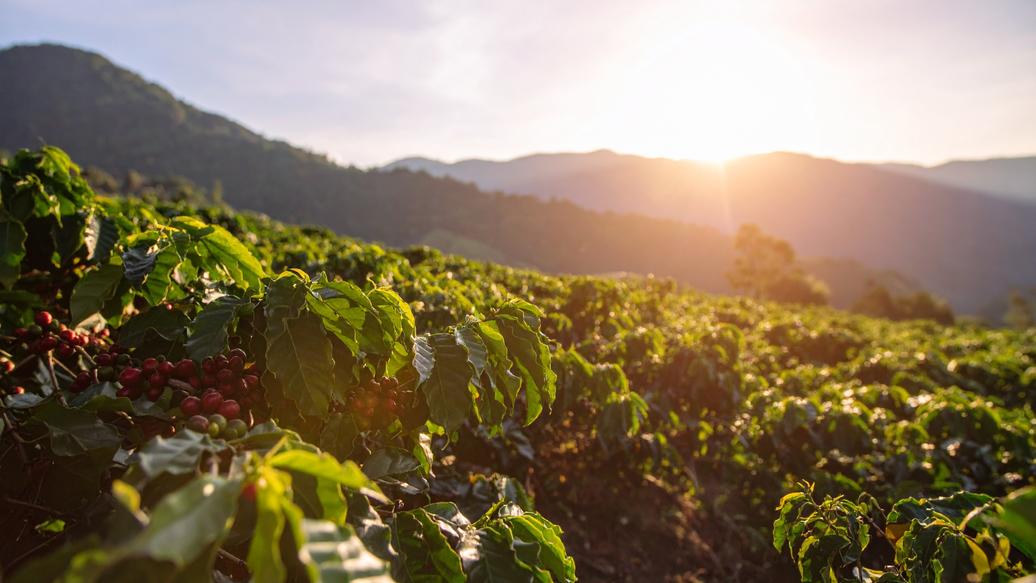
Coffee is an agricultural product, which means environmental conditions directly affect quality, consistency, and long-term production.
Sustainable coffee farming focuses on protecting the land while supporting healthy growing conditions for future harvests. This often includes:
- Soil conservation practices
- Water management and filtration
- Reduced chemical use
- Shade-grown farming techniques
- Biodiversity preservation
- Responsible waste management
Coffee farms that prioritize long-term environmental health are better equipped to maintain stable production and preserve the ecosystems surrounding them.
This is especially important as climate conditions continue impacting coffee-growing regions around the world. Rising temperatures, drought, and unpredictable weather patterns are already affecting harvest yields and bean quality in major producing countries.
For many sustainable coffee roasters, environmental responsibility starts with sourcing beans from farms and cooperatives that actively invest in sustainable agricultural practices.
The Human Side of Sustainable Coffee
Sustainability is not only environmental. It is also economic.
Coffee is one of the most heavily traded commodities in the world, yet many coffee farmers historically receive only a small percentage of the final retail price. This imbalance creates long-term challenges for farming communities and threatens the future stability of the industry. That is why ethical sourcing matters.
Brands committed to sustainability prioritize relationships that support fair compensation, transparency, and long-term partnerships with growers.
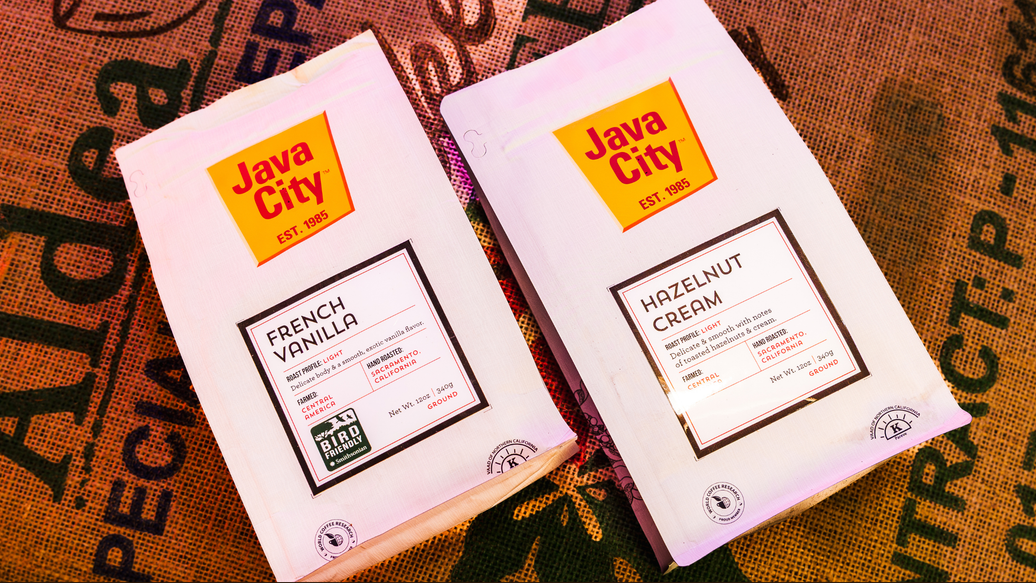
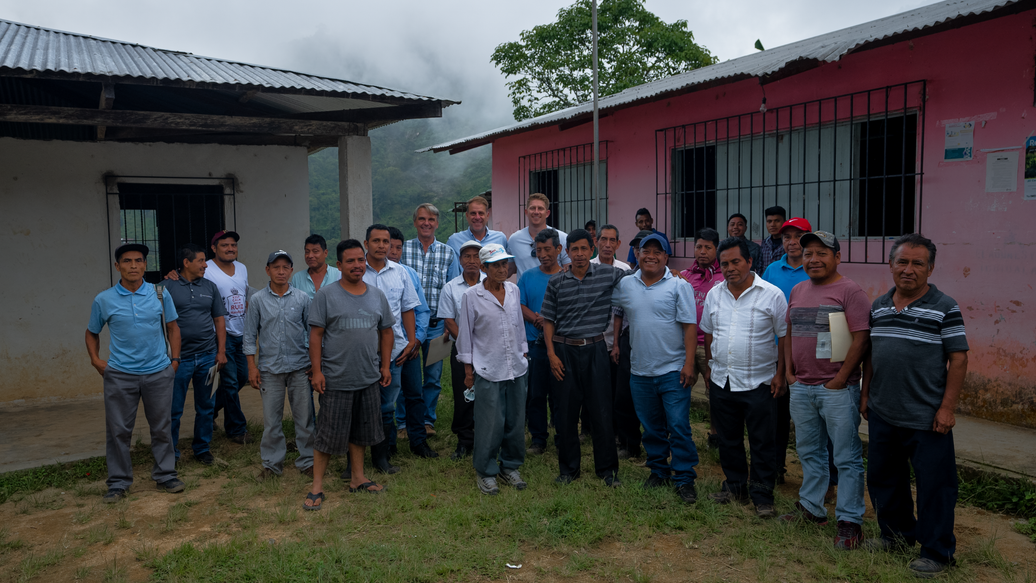
At Java City, we source our green coffee through long-standing partnerships with farming cooperatives, including The Coffee Farmers Co-op. These relationships allow us to maintain visibility into sourcing practices while helping support farming communities that produce exceptional coffee year after year.
Responsible sourcing models help farmers:
- Invest back into their farms
- Improve infrastructure and equipment
- Support workers and families
- Maintain higher quality standards
- Continue sustainable farming practices for future generations
When companies focus only on the lowest possible coffee price, quality and sustainability often suffer together.
Understanding the Coffee Processing Industry
One area many consumers overlook is the role of the coffee processing industry in sustainability.
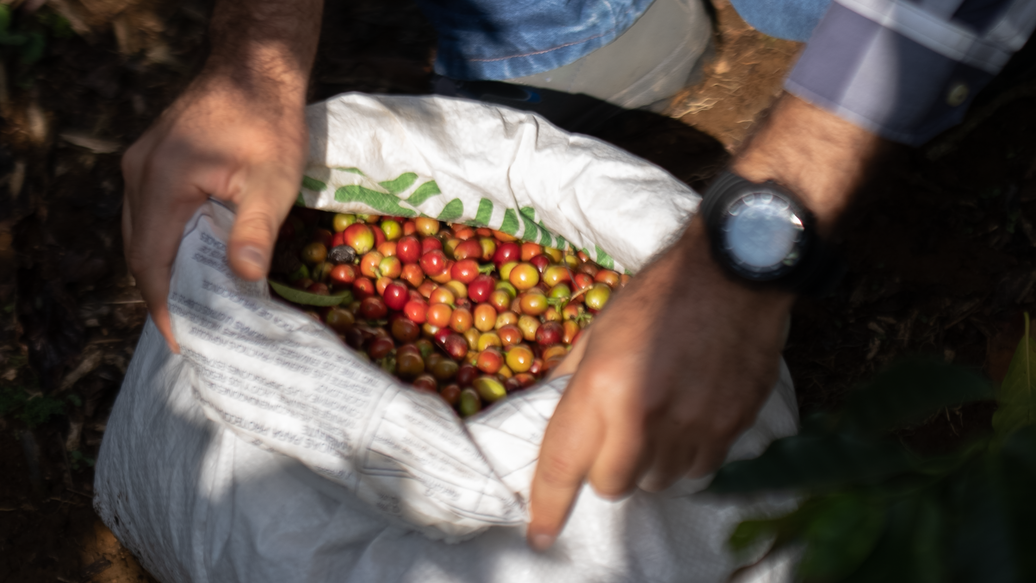
After coffee cherries are harvested, they must be processed to remove the fruit and prepare the beans for drying and export. Different processing methods affect flavor, water usage, labor requirements, and environmental impact.
The three most common methods include:
Washed Process Coffee
Washed coffee removes the fruit from the bean using water before drying. This method often creates clean, bright flavor profiles, but it can require significant water usage if not managed responsibly.
Sustainable processing facilities invest in water recycling systems and filtration methods to reduce waste and environmental impact.
Natural Processed Coffee
Natural processed coffee dries with the fruit still attached to the bean before removal. This method generally uses less water and can create fruit-forward flavor profiles with heavier body and sweetness.
Because the drying process relies heavily on climate conditions and careful monitoring, natural processing requires significant labor and expertise to maintain quality consistency.
Sustainability Also Includes Roasting and Operations
Coffee sustainability does not stop at the farm level.
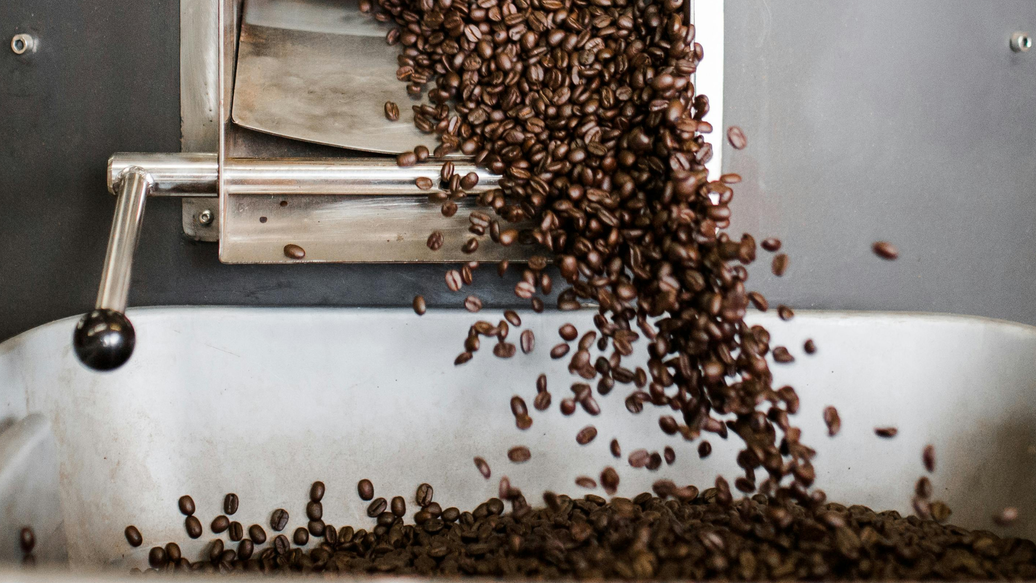
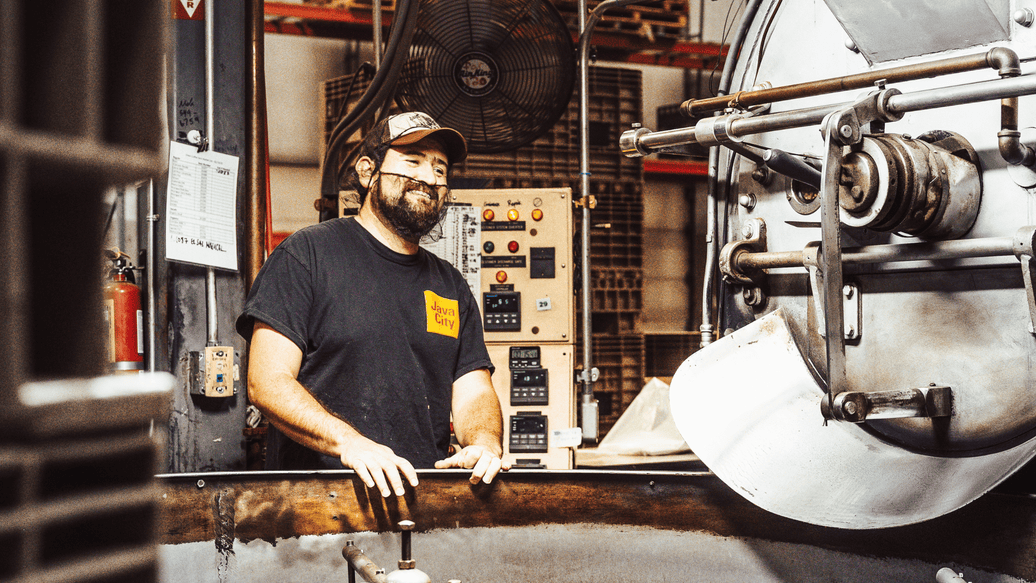
Roasters and coffee companies also play a major role in reducing environmental impact through:
- Energy-efficient roasting equipment
- Waste reduction programs
- Sustainable packaging initiatives
- Responsible shipping practices
- Equipment maintenance and efficiency
- Ethical supply chain partnerships
Many companies advertise sustainability while offering little transparency about their sourcing or operational practices. That is why transparency matters.
Consumers and wholesale buyers are becoming more intentional about asking questions like:
- Where was this coffee sourced?
- Who grew it?
- How were farmers compensated?
- What certifications or partnerships exist?
- What environmental practices are being followed?
Brands that genuinely prioritize sustainability should be able to answer those questions clearly.
How to Identify Truly Ethical Coffee Brands
Not every coffee brand using sustainability language follows through in meaningful ways.
When evaluating ethical coffee brands, look for companies that openly discuss:
Direct Relationships or Cooperative Partnerships
Long-term sourcing relationships often indicate greater transparency and stability throughout the supply chain.
Environmental Commitments
Look for information about farming practices, water conservation, packaging improvements, or carbon reduction efforts.
Transparency
Companies should provide clear information about sourcing regions, partnerships, and sustainability goals rather than vague marketing claims.
Quality Consistency
Sustainability and quality often go hand in hand. Farms and cooperatives that invest in long-term growing practices typically produce more consistent coffee.
Long-Term Industry Investment
Responsible coffee companies understand sustainability is not a trend. It is necessary for the future of the industry itself.
Why Sustainable Coffee Matters More Than Ever
Consumers today are paying closer attention to how products are made, where they come from, and the impact they have on people and the environment.
Coffee is no exception.
For cafés, restaurants, hospitality groups, offices, universities, and retailers, partnering with environmentally responsible coffee companies is becoming part of broader operational values and customer expectations.
At the same time, sustainability directly supports coffee quality and long-term supply stability. Healthy farms, experienced producers, and responsible sourcing relationships all contribute to better coffee in the cup.
Sustainable coffee is not about perfection. It is about continuous improvement, transparency, and a commitment to protecting the future of coffee for everyone involved, from the farmer to the final customer.
At Java City, that commitment has always been part of how we approach sourcing, roasting, and partnerships. Because great coffee should create lasting impact far beyond the cup.