
When people search for washed vs natural coffee, they are usually comparing flavor profiles. Clean and bright or bold and fruit-forward. But long before a coffee reaches our roastery, the real story begins at origin.
At Java City, we believe great coffee starts at the farm. The difference between washed coffee beans and natural process coffee beans is not just about taste. It is about climate, infrastructure, labor, and the decisions producers make during the coffee harvest to protect quality.
Understanding processing at the farm level gives a deeper appreciation for sourcing, sustainability, and craftsmanship.

The Coffee Harvest Sets the Foundation
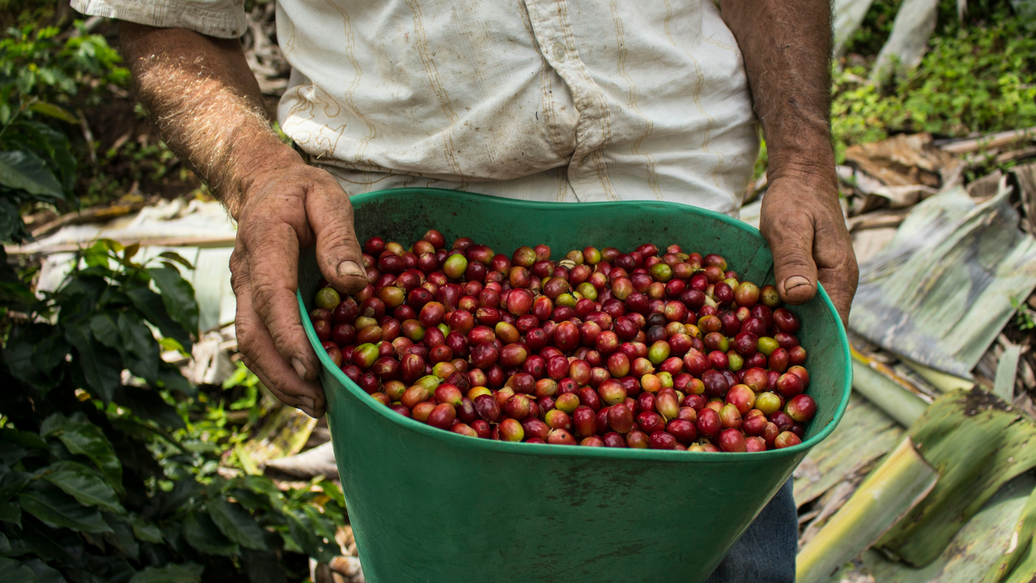
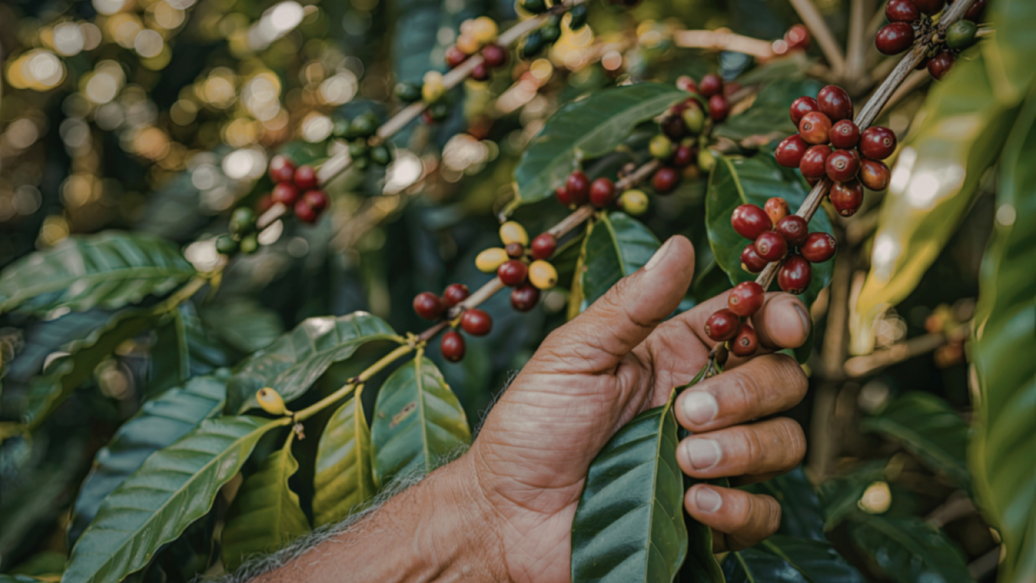
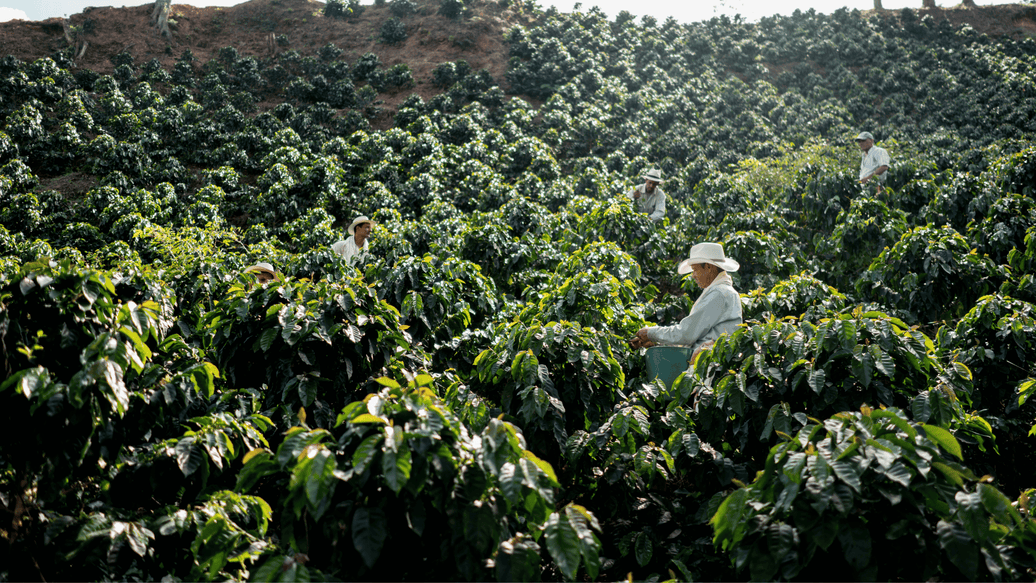
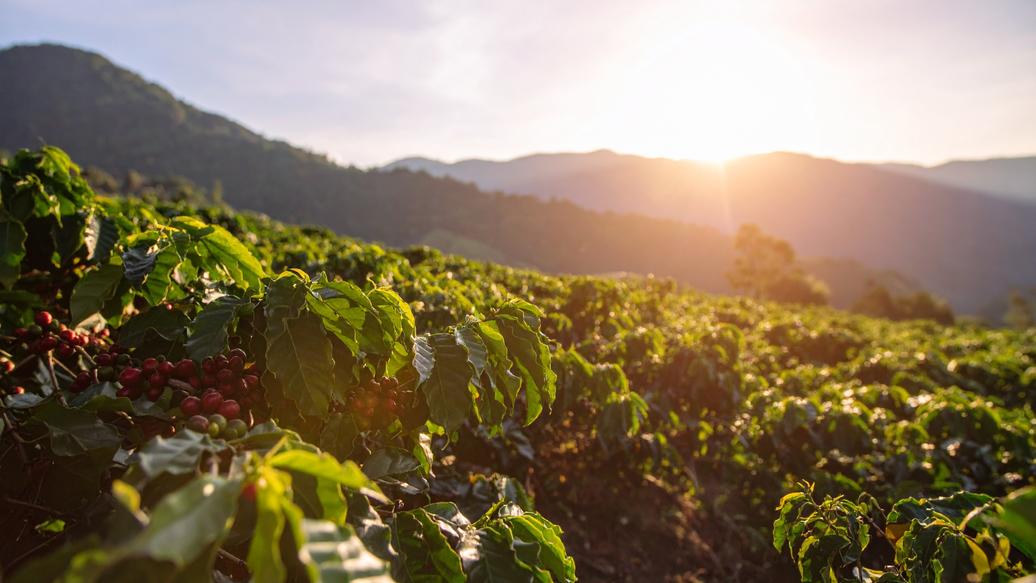
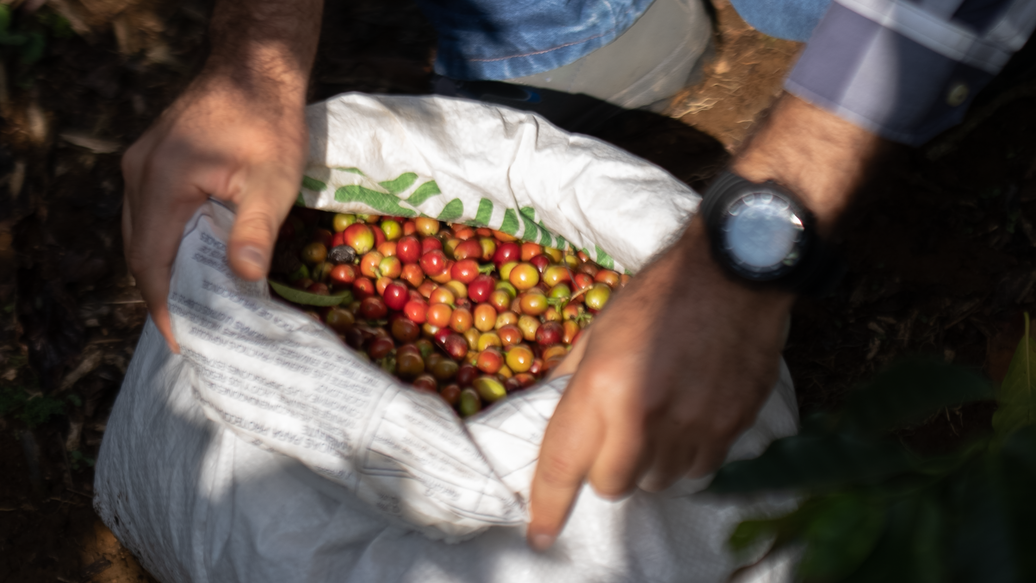
The journey begins during the coffee harvest, when producers selectively pick ripe cherries at peak sugar development. In many regions, this is done entirely by hand to ensure only red, fully mature fruit is collected.
Timing matters. Underripe cherries create sour or grassy flavors. Overripe cherries can ferment unpredictably. Precision at harvest is the first quality checkpoint.
Once picked, coffee farmers must decide how to process the fruit surrounding the seed. That decision determines whether the lot becomes water-washed coffee or natural-processed coffee.
What Are Washed Coffee Beans?
Washed coffee beans, sometimes referred to as water-washed coffee, go through a carefully controlled process that removes fruit before drying.
The Washed Process at Origin
-
Sorting and Floating
Fresh cherries are placed in water to separate lower-density or defective fruit. -
Depulping
A machine removes the outer skin and most of the fruit. -
Fermentation
The beans rest in tanks where natural enzymes break down remaining mucilage. -
Washing
Clean water rinses away the loosened fruit residue. -
Drying
The beans, still protected by parchment, dry on patios or raised beds until moisture levels are stable.
From the Farmer’s Perspective
Producing washed coffee beans requires:
-
Reliable access to clean water
-
Depulping equipment
-
Fermentation tanks
-
Wastewater management
-
Skilled labor to monitor timing
This method often results in clarity, structure, and defined acidity. Because it highlights terroir and varietal characteristics, washed coffees are widely valued in specialty markets.
However, washed processing requires infrastructure investment and consistent water availability. In regions where water is limited, this method may not be practical.