
Coffee roasting is where green coffee beans are transformed into the aromatic, flavorful beans we know and love. Behind every smooth, balanced cup lies a precise process of time, temperature, and technique. Whether you’re a coffee enthusiast or a wholesale partner curious about what makes small batch coffee roasting so special, understanding the stages of coffee roasting can deepen your appreciation for each sip.

The Coffee Roasting Process: A Blend of Science and Craft
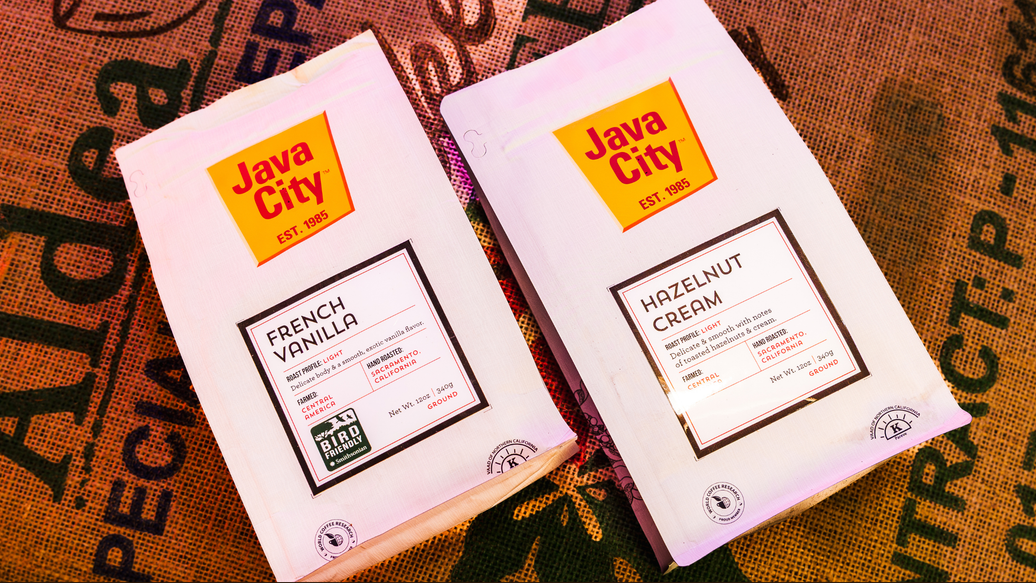
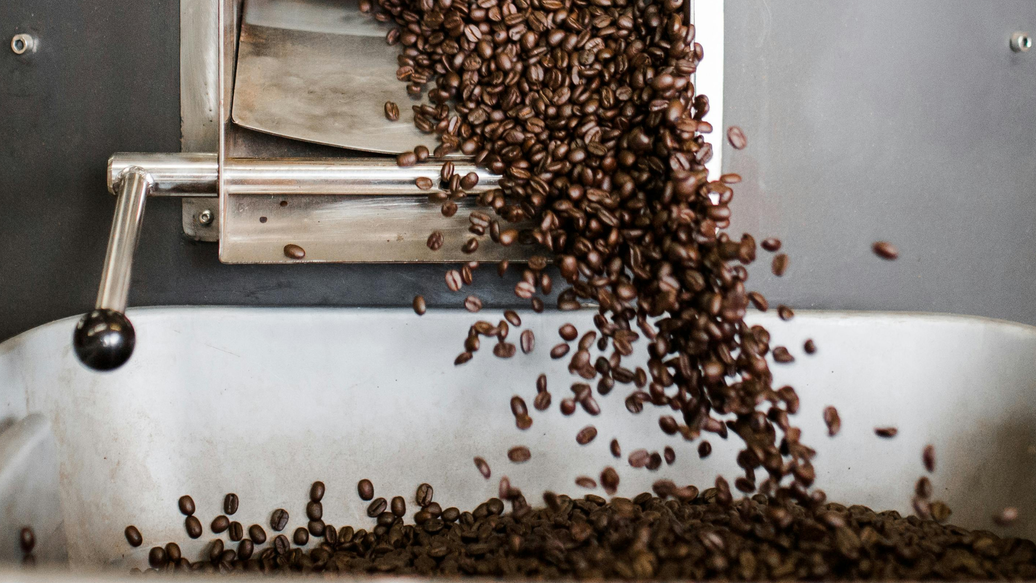
Roasting isn’t just about heating beans. Instead, it’s a careful orchestration of chemical reactions that shape the flavor, body, and aroma of coffee. At Java City, our coffee roasters in Sacramento use traditional Italian brick-lined roasters to ensure consistent, sustainable coffee roasting that honors both craft and community.
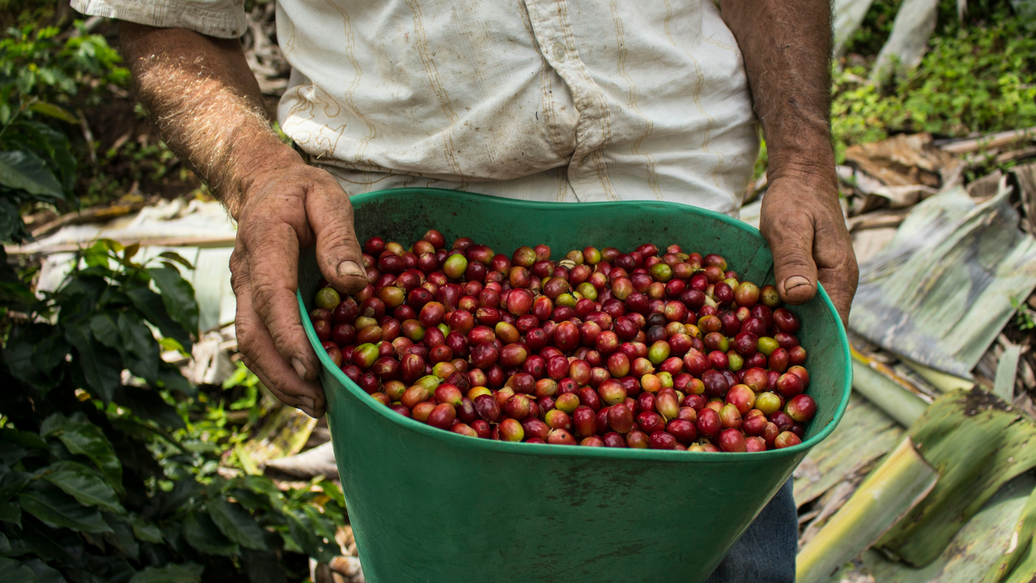
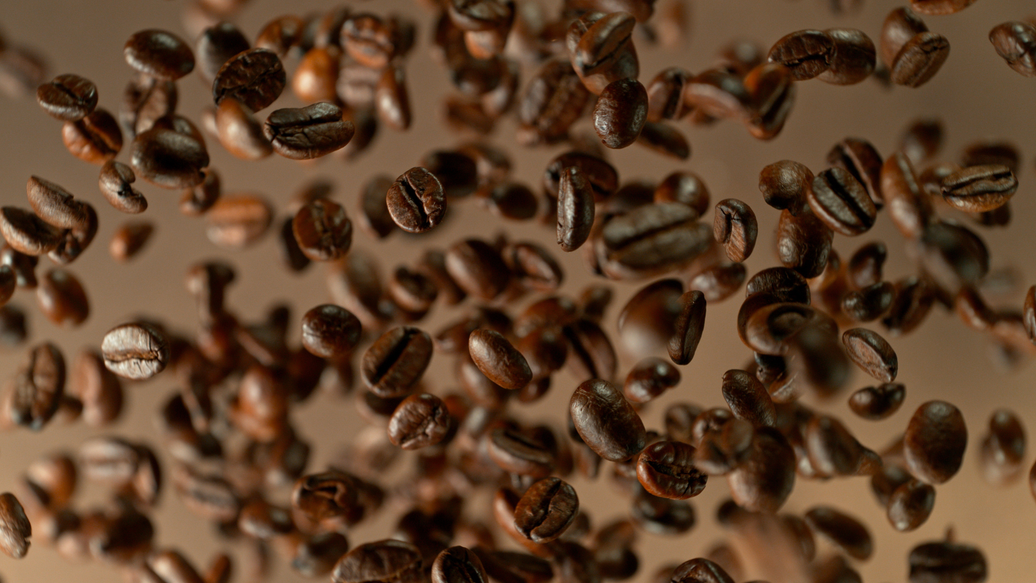
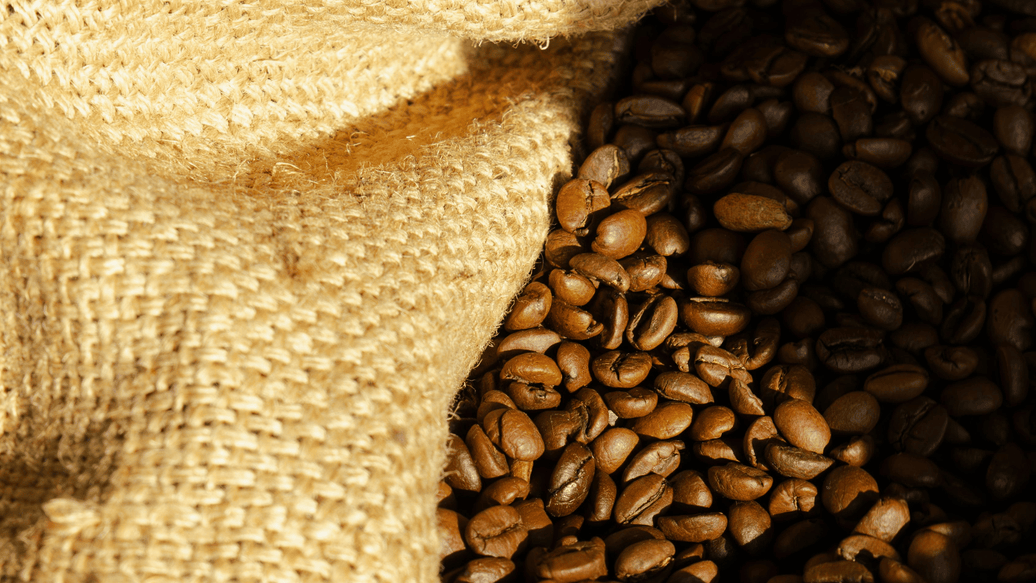
Every roast begins with green coffee beans that are dense, grassy, and pale. As heat is applied, a series of transformations begins, and each stage plays a vital role in defining the final profile of the coffee.
1. Drying Stage (Up to 320°F)
The first stage of the coffee roasting process is drying. Freshly harvested green beans contain about 8–12% moisture. During this stage, heat is applied gently to evaporate water inside the bean without scorching it.
The beans transition from green to yellow and begin to smell slightly like hay. A slow, even drying phase sets the foundation for balanced roasting later--too fast, and the beans may develop uneven flavors; too slow, and the batch risks losing vibrancy.
2. Browning Stage (320°F–380°F)
Once the beans are dry, the browning stage begins. This is when the Maillard reaction, similar to browning bread or caramelizing onions—creates complex flavor compounds.
The beans turn a deeper yellow, then light brown, as aromas of toasted nuts and warm bread emerge. Sugars begin to break down, and the coffee’s potential flavor notes start to develop. Skilled roasters adjust airflow and drum speed to maintain control during this delicate stage.
3. First Crack (380°F–400°F)
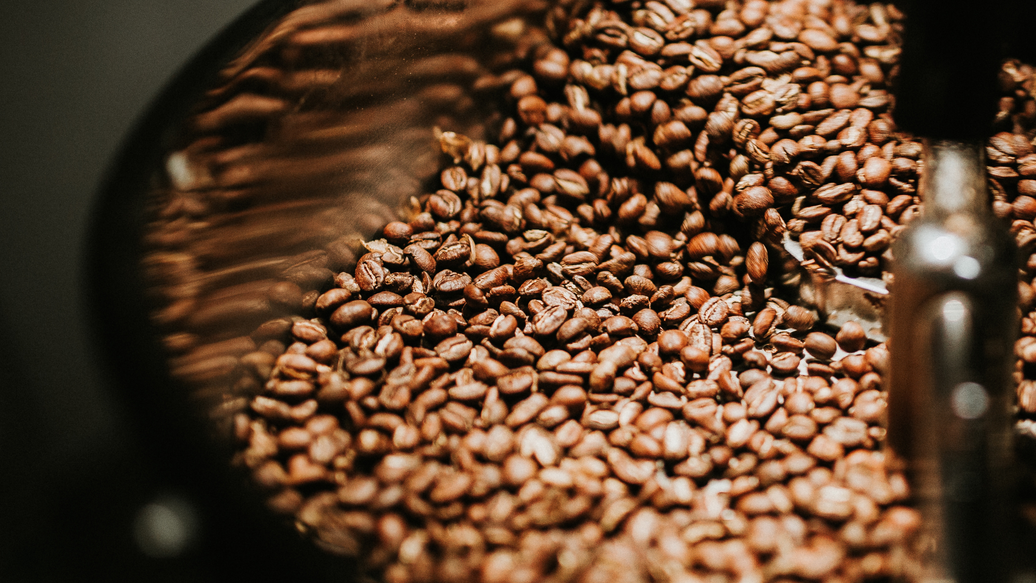
At around 380°F, the beans expand and crack open. This audible event is called the first crack. It’s a key milestone in understanding how coffee beans are roasted.
Inside each bean, pressure builds as steam and gases form, causing the bean to pop. This signifies the transition from endothermic (absorbing heat) to exothermic (releasing heat) reactions. The beans now resemble what most people recognize as “roasted coffee.”
Roasters monitor this moment closely as it marks the beginning of true flavor development. Light roast coffees are often finished shortly after the first crack to preserve brightness and acidity.
4. Development Stage (400°F–430°F)
After the first crack, roasters enter the development stage, sometimes called the “flavor stage.” This is where the balance of sweetness, acidity, and bitterness is fine-tuned.
Depending on the roast style, beans might stay here for 30 seconds to several minutes. Longer development leads to medium and dark roasts with deeper caramelized notes, while shorter development preserves fruitier, lighter characteristics.
Expert roasters in specialty coffee rely on temperature tracking and sensory cues, color, aroma, and sound, to decide exactly when to end the roast
5. Second Crack and Beyond (430°F+)
For dark roast coffee, the second crack occurs as oils migrate to the surface and the bean structure breaks down further. This produces smoky, bold flavors with reduced acidity. However, roasting beyond this point requires care—too much heat can burn away complexity and introduce bitterness.
At Java City, our small batch coffee roasting approach allows us to stop the roast at just the right moment, ensuring every bean reaches peak flavor potential.
Sustainable Coffee Roasting Practices
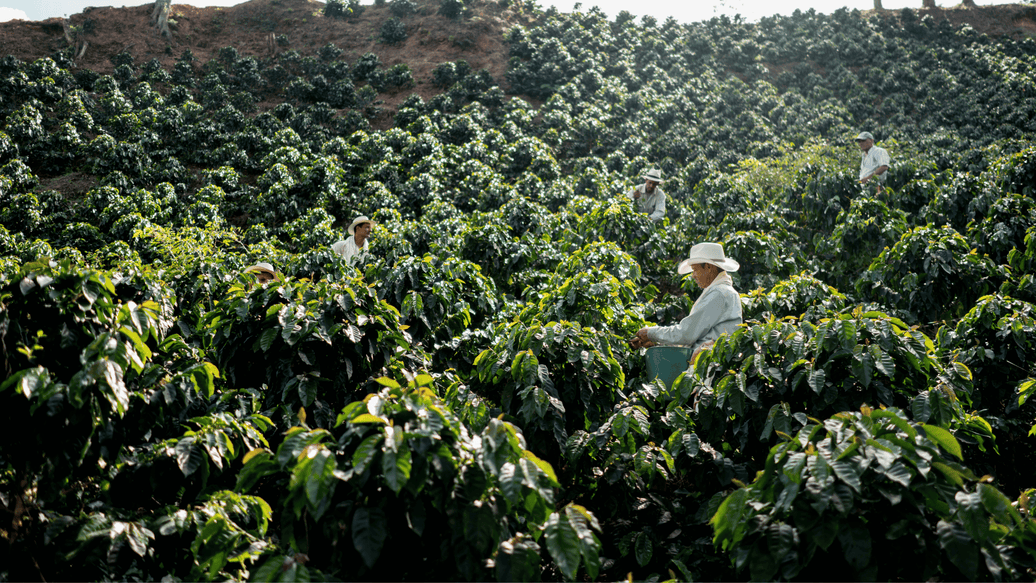
Quality coffee doesn’t end at taste, it’s also about responsibility. Our sustainable coffee roasting process uses energy-efficient equipment and ethical sourcing practices that support coffee farmers and reduce our environmental footprint.
By roasting in small batches, we minimize waste, maintain consistency, and celebrate the craftsmanship that defines specialty coffee.
Frequently Asked Questions About Coffee Roasting
1. How long does the coffee roasting process take?
A typical roast lasts between 8–15 minutes, depending on the desired roast level and the equipment used. Small batch coffee roasting gives roasters more control over these variables.
2. What’s the difference between light, medium, and dark roasts?
Light coffee roasts are stopped shortly after the first crack, preserving bright and acidic notes. Medium roasts balance sweetness and body, while dark roasts have a bolder, richer flavor with smoky undertones.
3. Why is sustainable coffee roasting important?
Sustainable coffee roasting reduces carbon emissions and supports fair labor practices in farming communities. It ensures a better future for both coffee growers and coffee drinkers.
4. Where can I try freshly roasted coffee in Sacramento?
You can experience coffee roasted in Sacramento firsthand by visiting Java City’s drive-up café at 1300 Del Paso Rd or by ordering online. Every batch reflects our dedication to craft and community.
Explore the Best Coffee in Sacramento
Roasting is where science meets artistry—: each decision, from temperature to timing, impacts the final cup. Understanding the stages of coffee roasting gives you a deeper appreciation for what goes into every brew.
At Java City, we’re proud to carry forward a legacy of craftsmanship through small batch, sustainable coffee roasting that celebrates flavor, quality, and connection, one roast at a time.