
Cold brew has become a staple on café menus everywhere, yet it still causes a surprising amount of confusion. Customers often ask if cold brew is the same as black coffee, whether black cold brew exists, or how brewing methods affect what “counts” as black coffee in the first place.
If you have ever wondered how to explain cold brew vs black coffee clearly and confidently, here is what actually matters.

What Defines Black Coffee
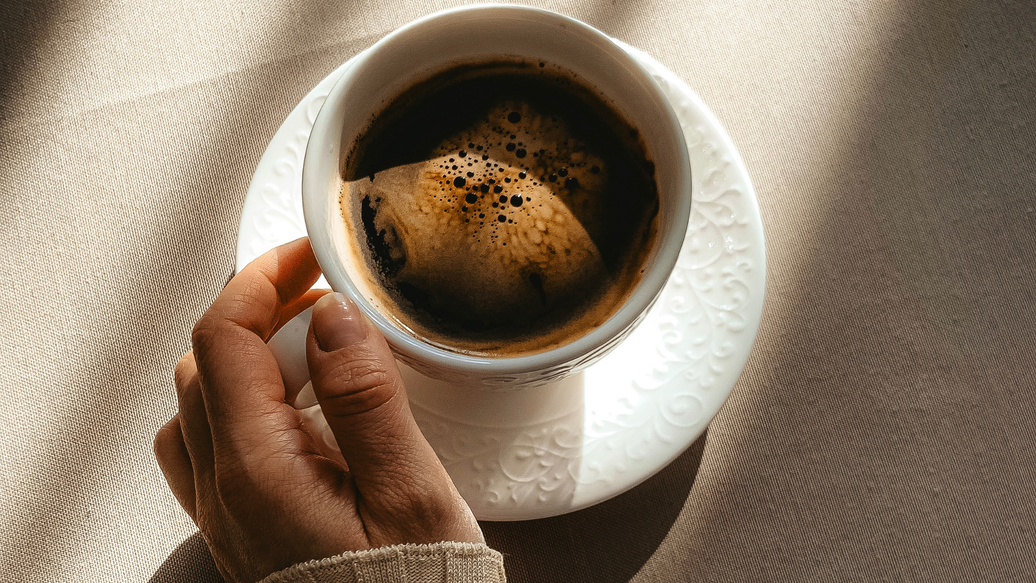
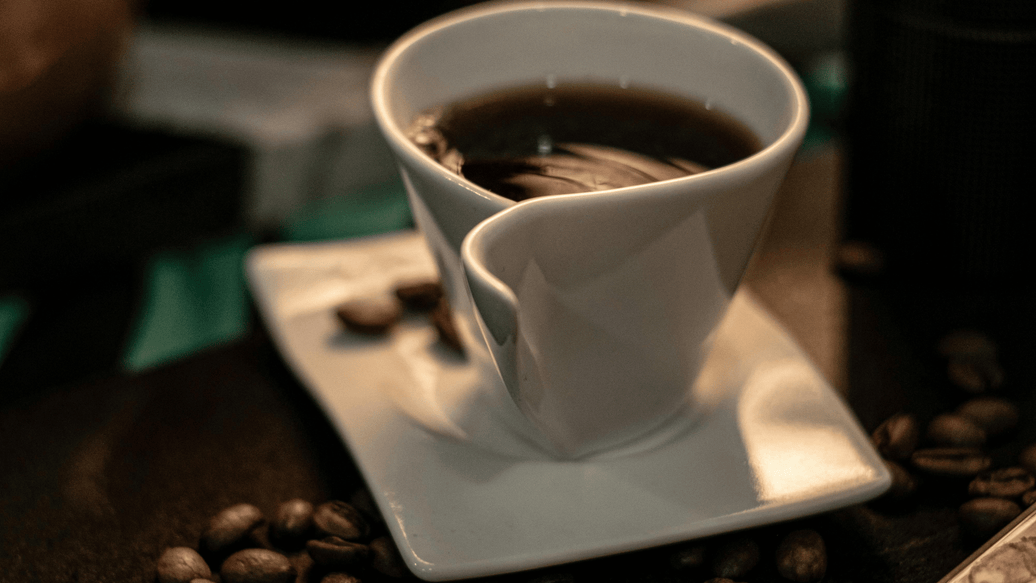
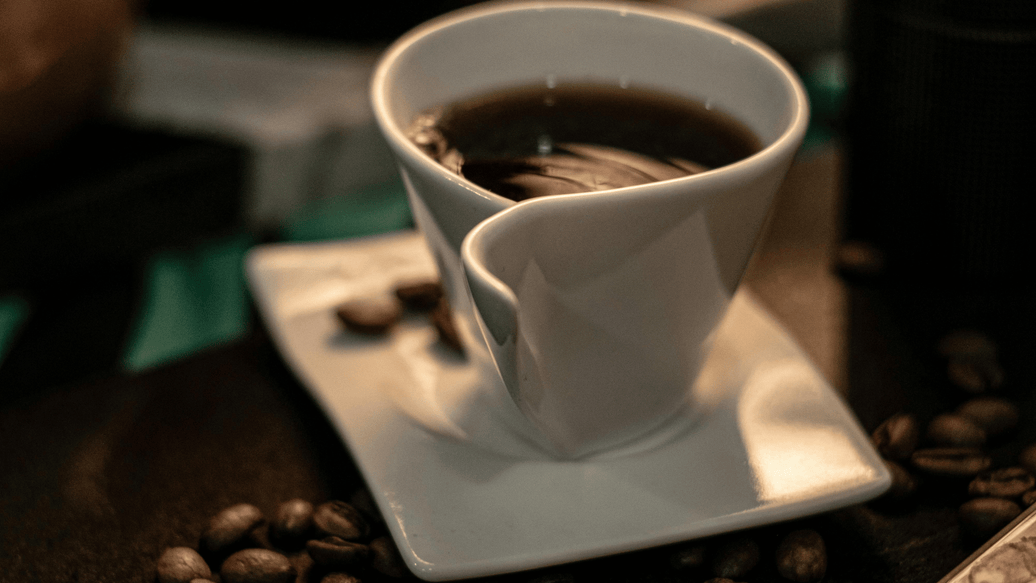
At its core, black coffee is simple. It is coffee brewed with only two ingredients: coffee and water. No milk, no cream, no sweeteners, and no flavor additions.
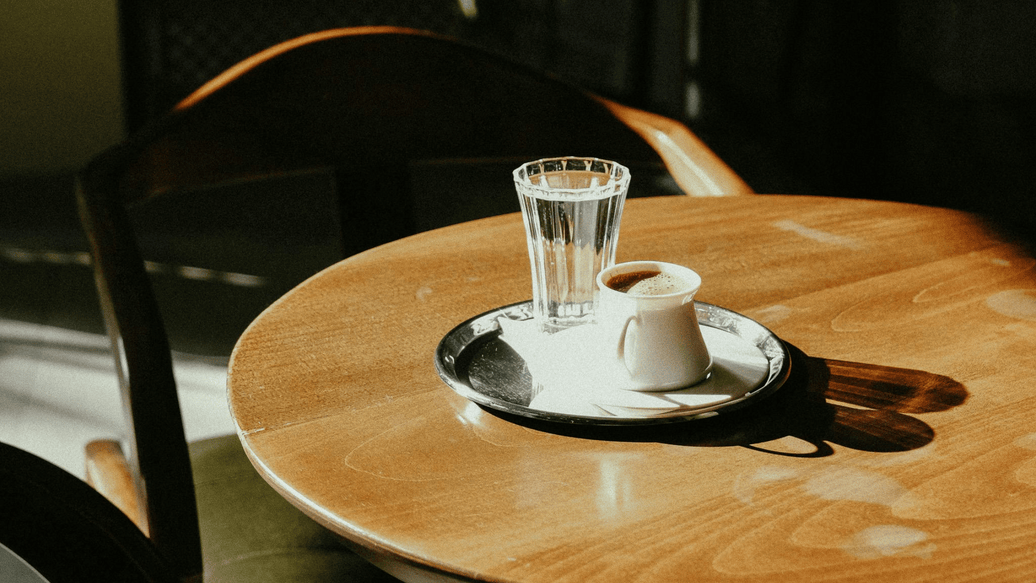
By that definition, black coffee can be hot or cold. Temperature alone does not determine whether coffee is considered black. The brewing method also does not automatically disqualify it.
So when people ask “is cold brew black coffee,” the answer depends entirely on how it is prepared and served.
What Cold Brew Actually Is
Cold brew coffee is made by steeping coffee grounds in cold or room-temperature water for an extended period, usually 12 to 24 hours. The slow extraction process produces a coffee that is smoother, lower in perceived acidity, and often naturally sweeter than hot-brewed coffee.
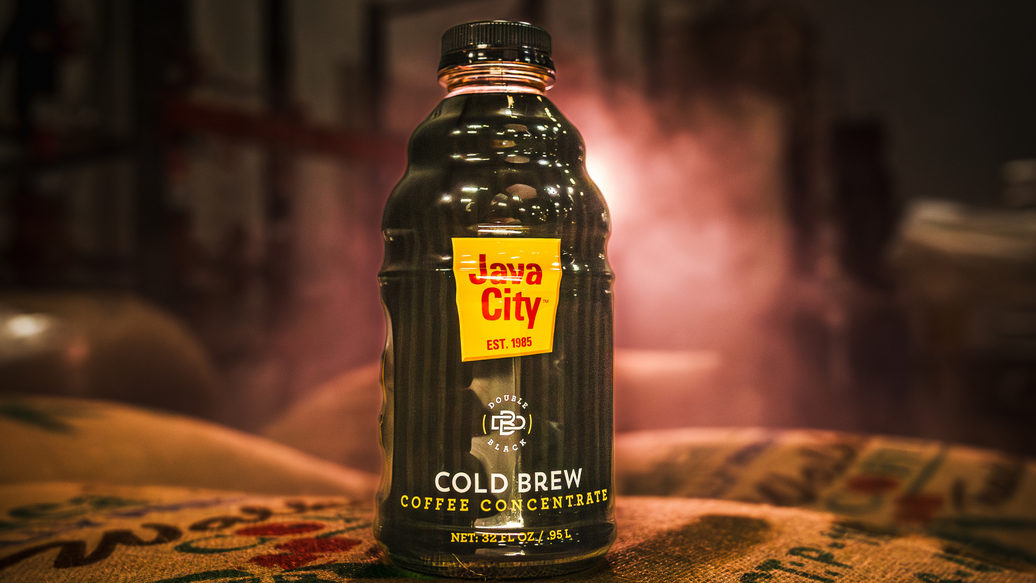
Once filtered, cold brew concentrate or ready-to-drink cold brew can be served over ice or diluted with water. If nothing else is added, it meets the basic definition of black coffee.
That means cold brew coffee black is absolutely a real thing.
Cold Brew vs Black Coffee: Where the Confusion Comes From
The confusion usually comes from how cold brew is marketed and served.
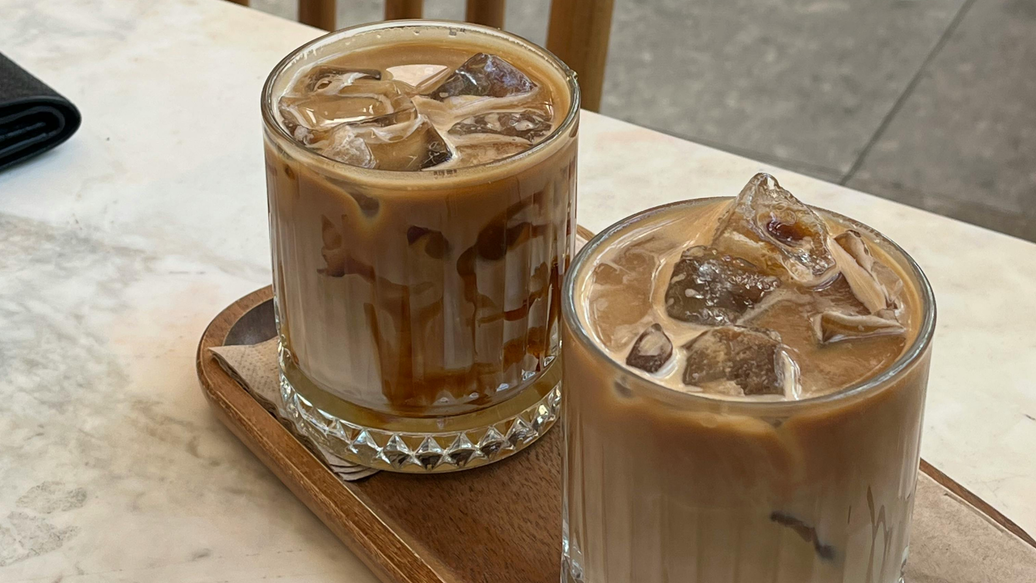
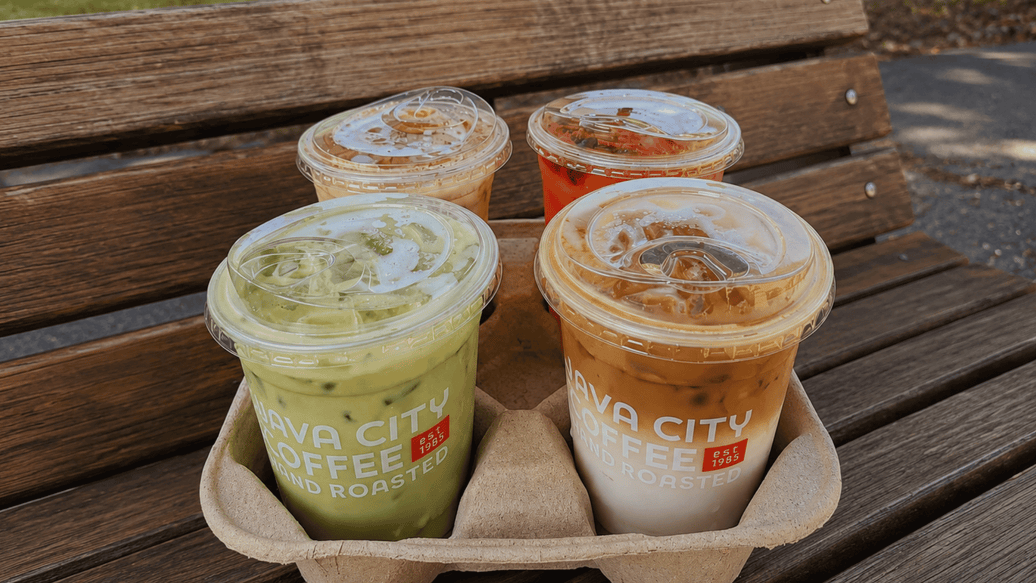
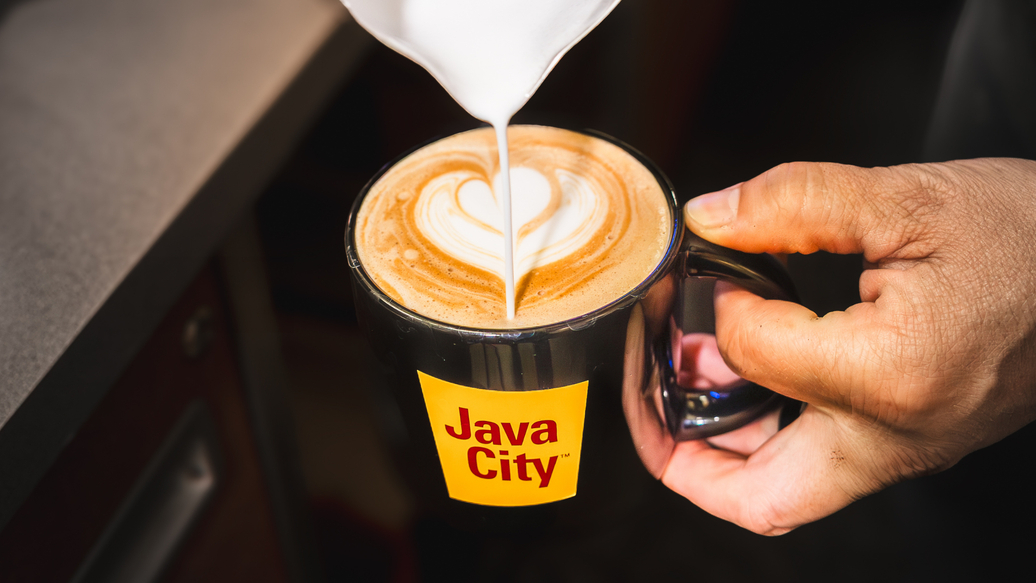
Many cafés default to serving cold brew with milk, cream, or flavored syrups. Over time, customers begin to associate cold brew with add-ins, even though those additions are optional.
Hot coffee, on the other hand, is more commonly ordered black, which reinforces the idea that black coffee must be hot. In reality, black coffee describes the ingredients, not the temperature.
When comparing cold brew vs black coffee, it is more accurate to compare brewing methods rather than categories. Cold brew can be black. Hot coffee can be black. Both can also be customized.
Is Black Cold Brew Stronger Than Hot Coffee?
Another common question is whether black cold brew is stronger than hot black coffee.
Cold brew often tastes smoother and less bitter, which can make it feel less intense even when it contains more caffeine. Because cold brew is frequently brewed as a concentrate, the caffeine content per ounce can be higher depending on dilution and bean selection.
Strength is influenced by grind size, brew ratio, steep time, and dilution, not simply by whether the coffee is hot or cold.
This is why clear menu descriptions and staff education matter, especially in cafés serving both hot and cold black coffee options.
Why Brewing Method Matters for Flavor
Cold brewing extracts different compounds than hot brewing. The result is a cup with softer acidity, fuller body, and chocolate-forward or nutty notes depending on the beans used.
Hot black coffee tends to highlight brighter acids and aromatic complexity. Neither is better. They simply showcase different aspects of the same coffee.
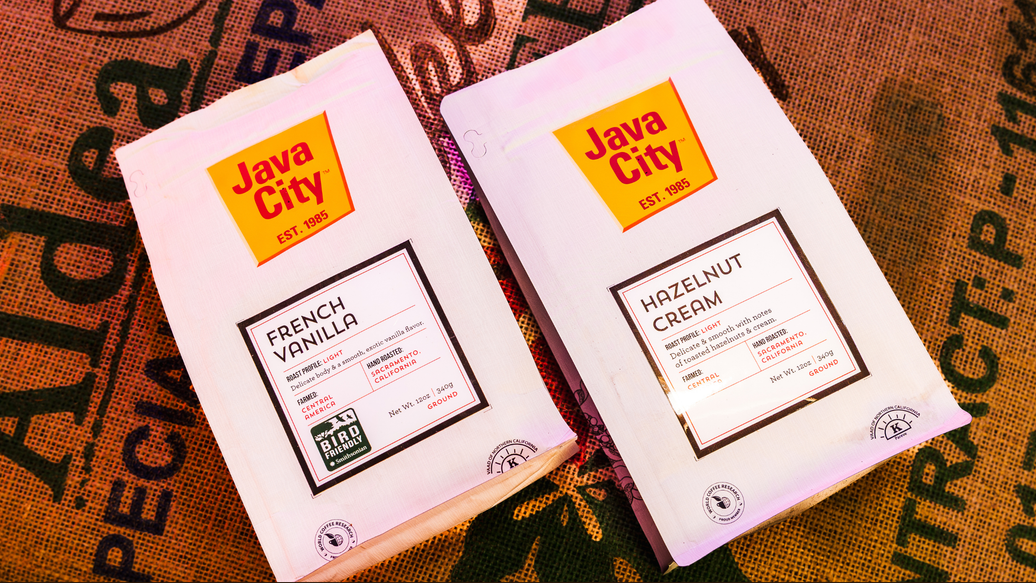
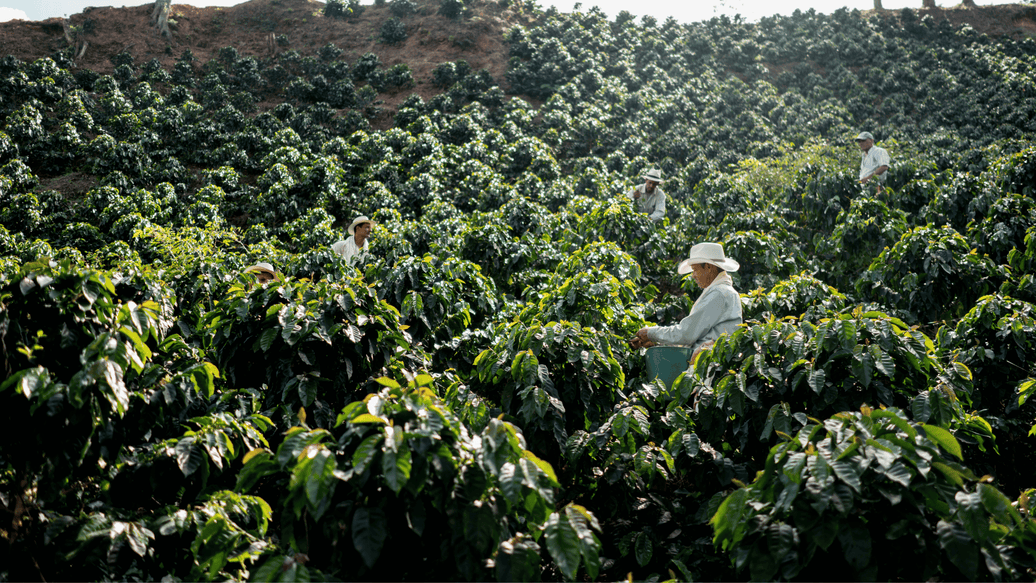
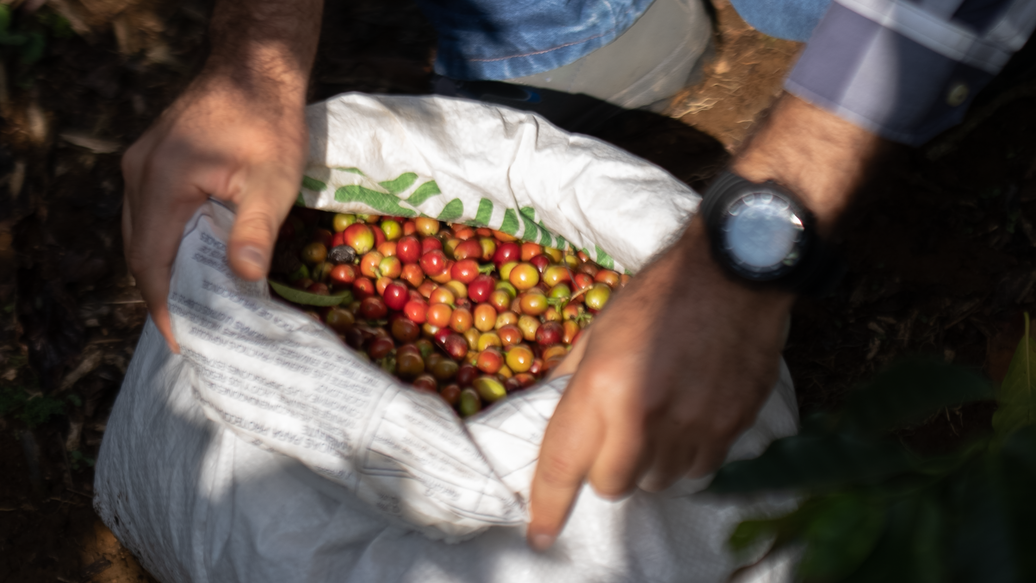
At Java City, the focus is always on honoring the coffee itself. Quality coffee beans, intentional sourcing, and thoughtful roasting allow each brewing method to shine without needing added flavors to mask defects. That commitment reflects a core value: quality should be evident before anything else is added to the cup.
How Cafés Should Talk About Black Cold Brew
For café owners and operators, clarity builds trust.
Labeling cold brew clearly as “black cold brew” or “cold brew coffee, no additives” helps customers understand what they are ordering. It also positions cold brew as a legitimate black coffee option rather than a sweetened specialty drink by default.
Clear language reduces confusion, speeds up ordering, and empowers customers to make choices that align with their preferences.
So, Is Cold Brew Black Coffee?
Yes, it can be.
If cold brew is made with only coffee and water and served without milk, sweeteners, or flavoring, it is black coffee. The brewing method does not change that definition.
Understanding this distinction helps customers order with confidence and helps cafés communicate their offerings more effectively.
Whether hot or cold, black coffee is about simplicity, quality, and respect for the bean. When done right, it stands on its own, no matter the temperature.