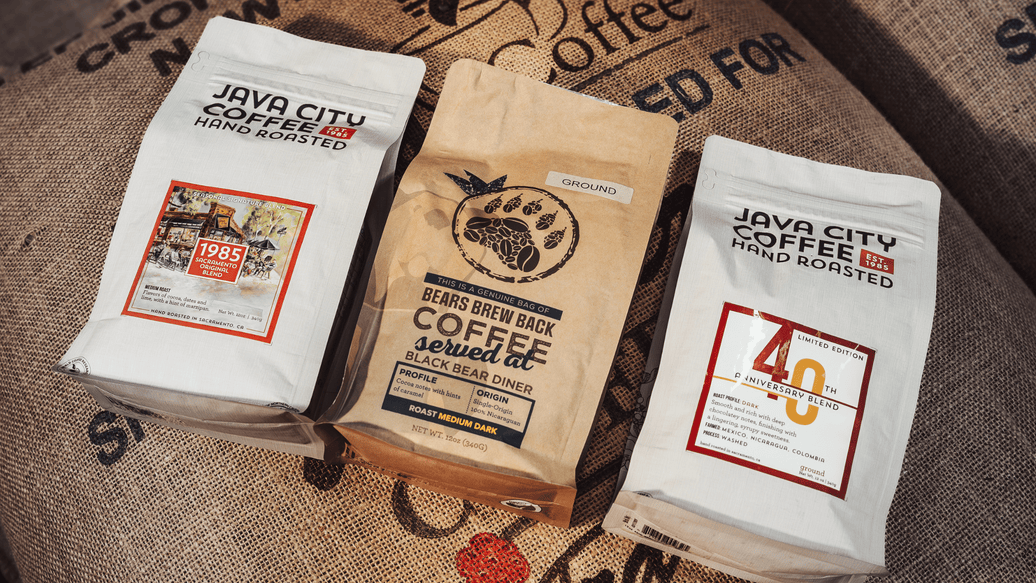

At Java City, we’ve always believed that great coffee starts with a deep respect for the bean and the people who grow it. Our philosophy isn't just about the flavor profile; it’s about the integrity of what goes into your mug every morning. Lately, there has been a lot of "brewing" concern in the wellness world about what else might be hiding in your coffee. From headlines about "toxic mold" to worries over chemical sprays, it is time to filter out the myths and look at the facts.
Does your coffee contain pesticides, mold, or toxins? Here is what most people don’t know about the science behind the bean.

1. The Pesticide Problem
Coffee is one of the most heavily traded commodities in the world. In many conventional farming operations, coffee plants are treated with synthetic pesticides and herbicides to protect the high-yield crops. For the health-conscious drinker, this is a valid concern.
-
The Fact: Research indicates that the high heat of the roasting process typically destroys the vast majority of pesticide residues. A landmark study published in the Journal of Agricultural and Food Chemistry found that the coffee roasting process can reduce pesticide levels by 85% to 99%.
-
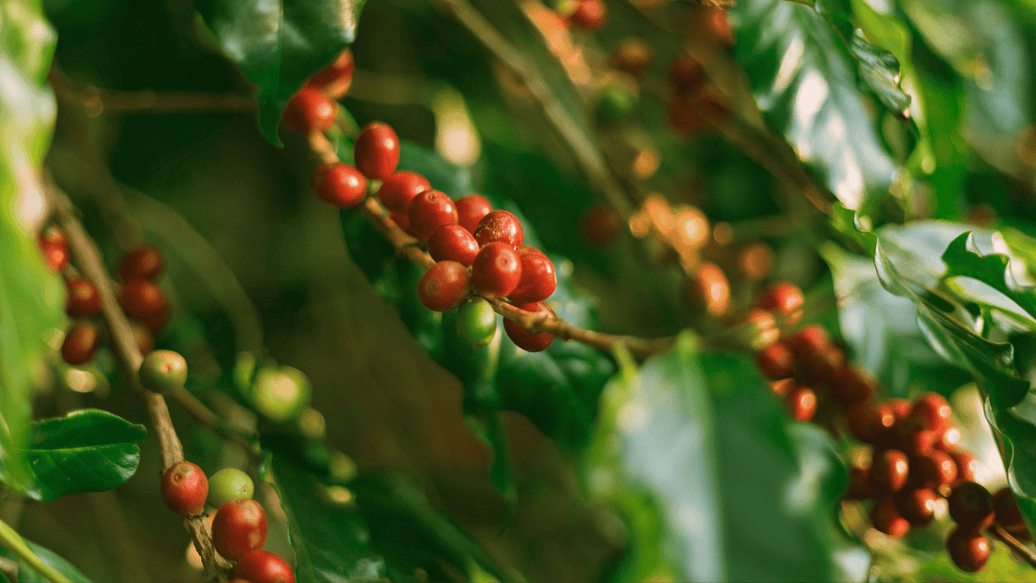
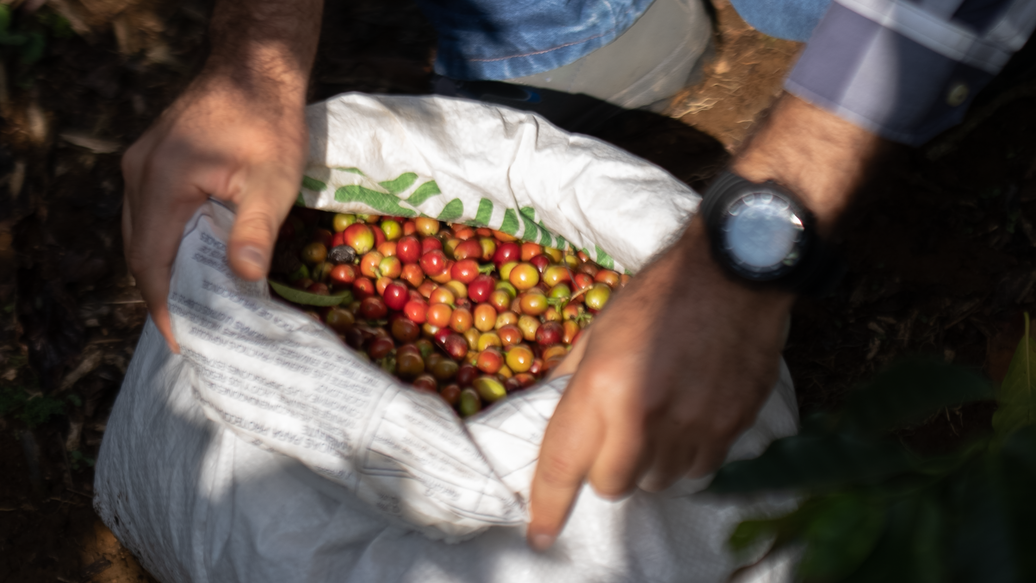
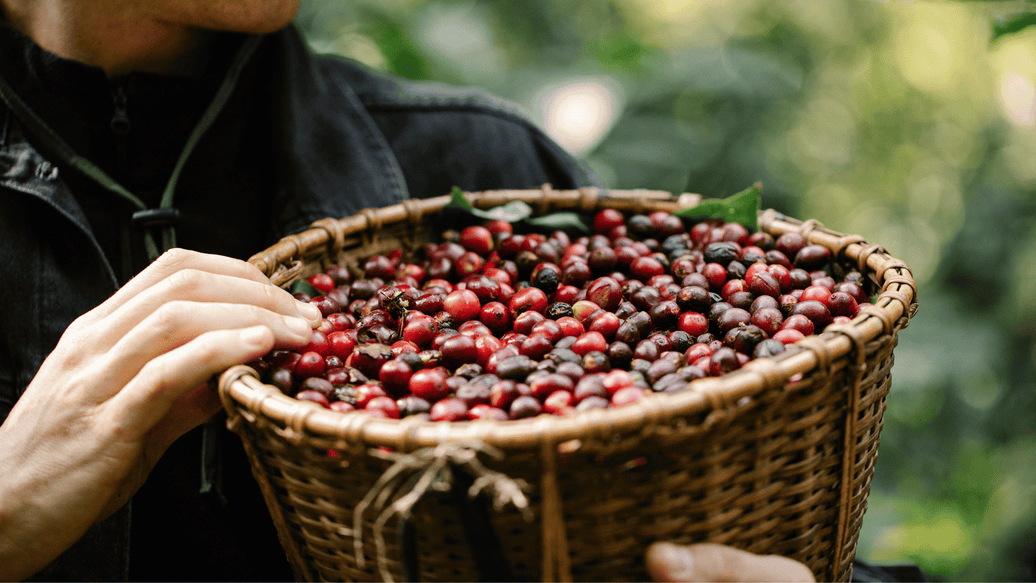
The Java City Edge: While roasting helps significantly, we prefer not to invite those chemicals to the party in the first place. By sourcing certified organic beans, we ensure that the coffee is grown without synthetic fertilizers or prohibited pesticides. This protects not only your body but also the soil health and biodiversity of the beautiful regions where our coffee grows.
2. Is There Mold in Your Roast?
You may have heard influencers claiming that "mycotoxins" (toxic compounds produced by certain molds) are making everyone sluggish and causing "brain fog." This has become a major marketing point for expensive "toxin-free" coffee brands.
-
The Fact: Mycotoxins, specifically Aflatoxin B1 and Ochratoxin A, can occasionally appear on green coffee beans if they are processed or stored in humid, improper conditions. However, the coffee industry is highly regulated. The Food and Agriculture Organization (FAO) notes that proper drying techniques and the high temperatures of roasting significantly lower these levels. In fact, most studies show that levels in commercial coffee are well below the strict safety limits set by global health authorities.
-
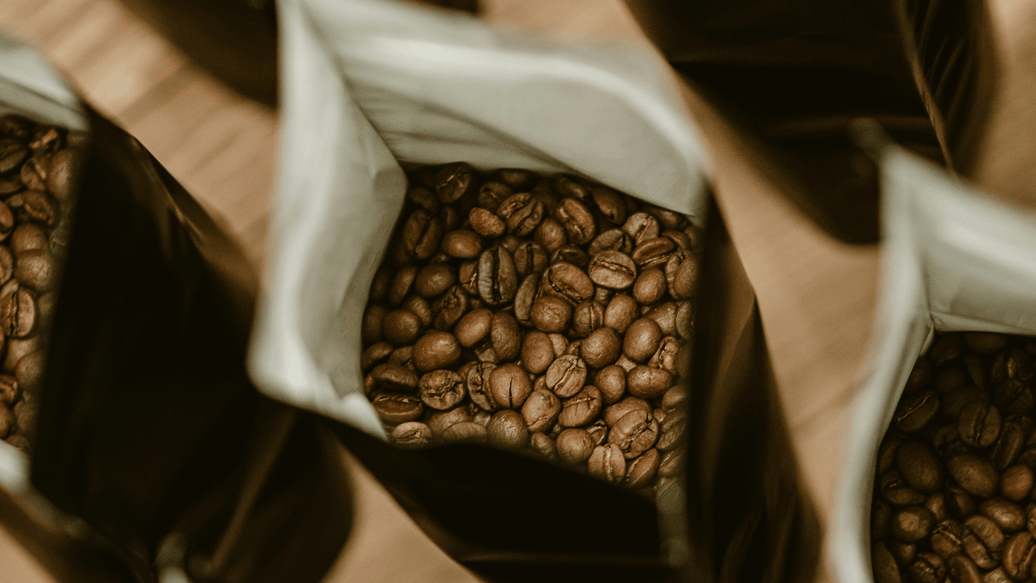
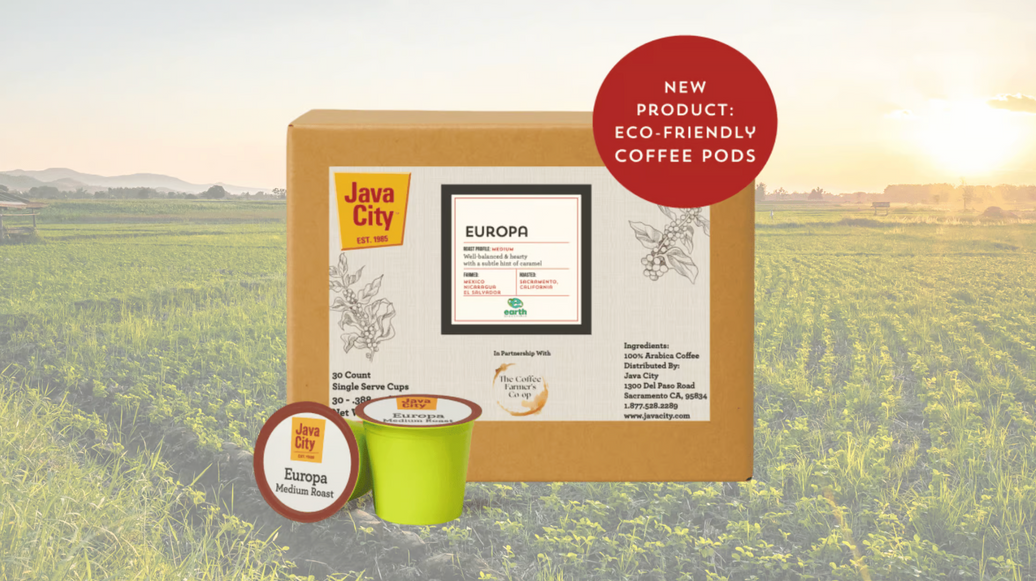
The Java City Edge: We utilize rigorous quality control and our signature "Eco-Friendly" roasting processes. By sourcing high-quality Arabica beans and maintaining strict climate-controlled storage, we prevent the moisture buildup that allows mold to thrive. We don't need a "toxin-free" label to tell you our coffee is clean; our sourcing standards already guarantee it.
3. Acrylamide: The Roasting Byproduct
Acrylamide is a chemical that naturally forms in many foods (like bread, roasted nuts, and potatoes) when they are cooked at high temperatures. It is a common point of concern for health-conscious drinkers.
-
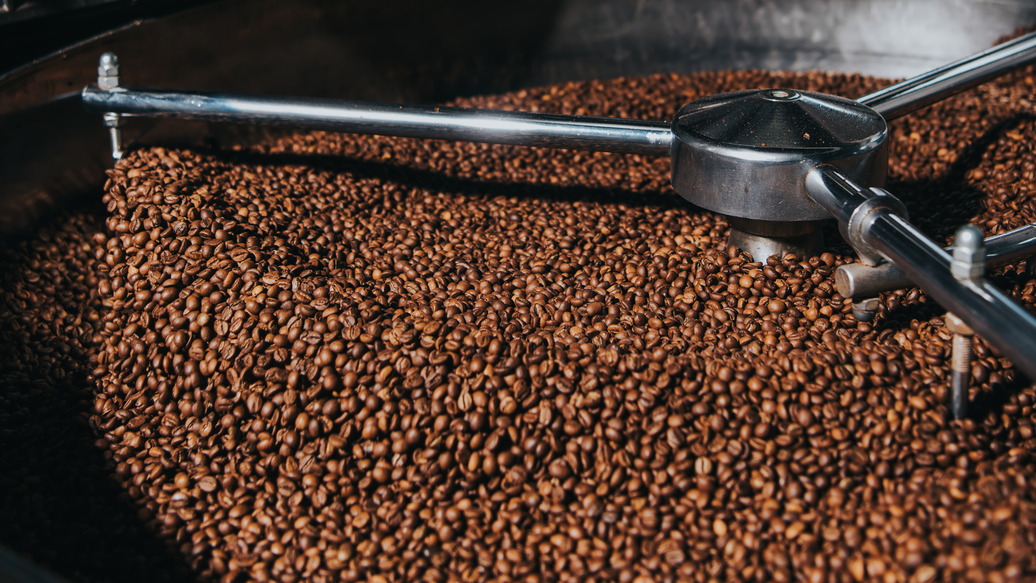
The Fact: Acrylamide forms during the earliest stages of the roasting process. Interestingly, research from the National Center for Biotechnology Information (NCBI) shows that darker roasts actually contain less acrylamide than light roasts. This is because the chemical peaks early and then begins to decompose as the roasting continues.
-
The Java City Edge: We monitor our roast profiles with extreme precision. Whether you like a bright light roast or a smoky dark blend, our slow-roasting technique ensures a balanced chemical profile without sacrificing the bold flavor we are known for.
Why Quality Sourcing is the Ultimate Filter
Most "toxin" scares are used to sell expensive specialty supplements or proprietary beans at a massive markup. The reality is simpler: quality sourcing and expert roasting are the best natural filters available.
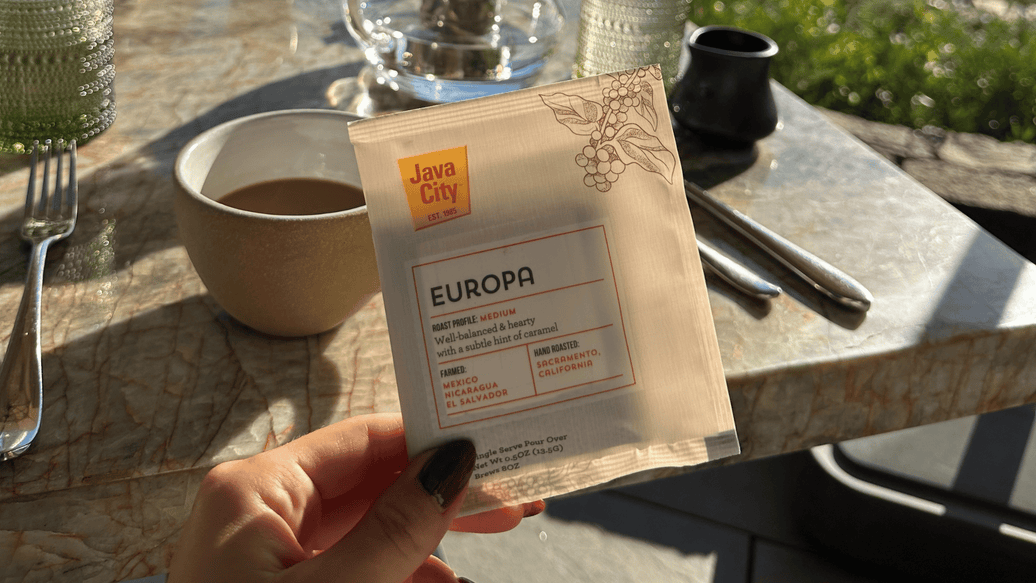
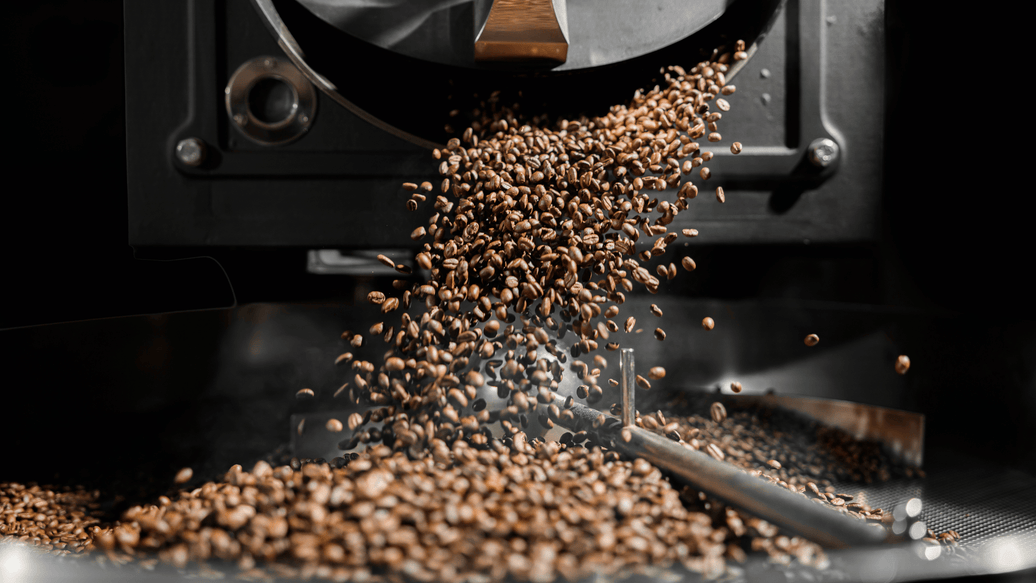
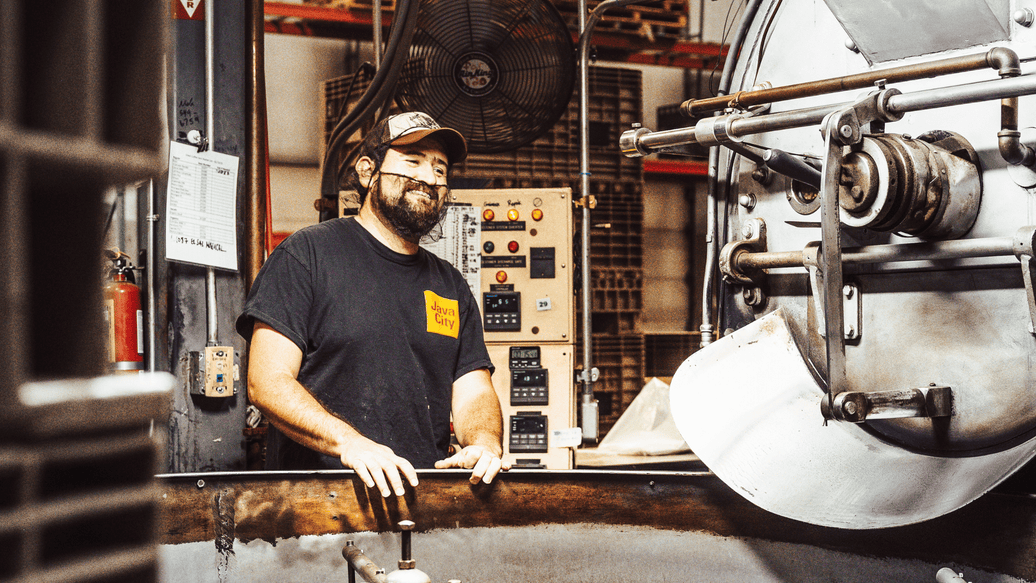
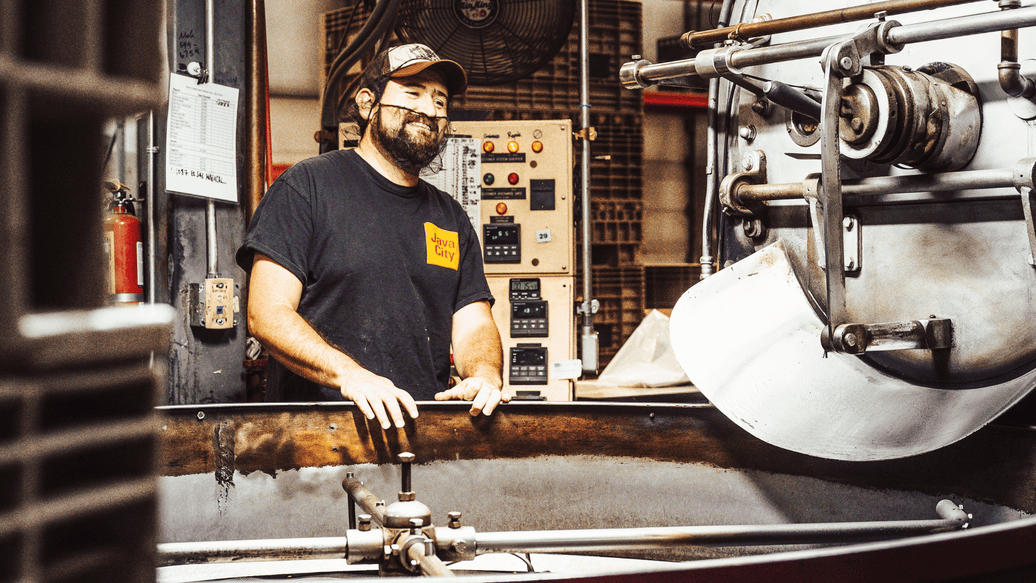
At Java City, we take the "Hand-Roasted" approach. This isn't just for the taste. It allows our master roasters to inspect every batch, ensuring that only the cleanest, highest-quality beans make it into your cup. From the farm to the roaster to your favorite mug, we keep it pure.
Sources
-
Journal of Agricultural and Food Chemistry: "Effect of Roasting on Pesticide Residue Levels."
-
Food and Agriculture Organization (FAO): "Mould Prevention in Coffee Processing."
-
NCBI/National Institutes of Health: "Acrylamide in Coffee: Determinants and Health Implications."