When it comes to quality coffee, freshness is everything. Whether you’re brewing at home or running a café, knowing when your beans were roasted is just as important as knowing where they came from. At Java City, we believe in full transparency because the more you understand about coffee roast date shelf life, the better your cup of coffee will be.

What Is a Coffee Roast Date—and Why Should You Care?
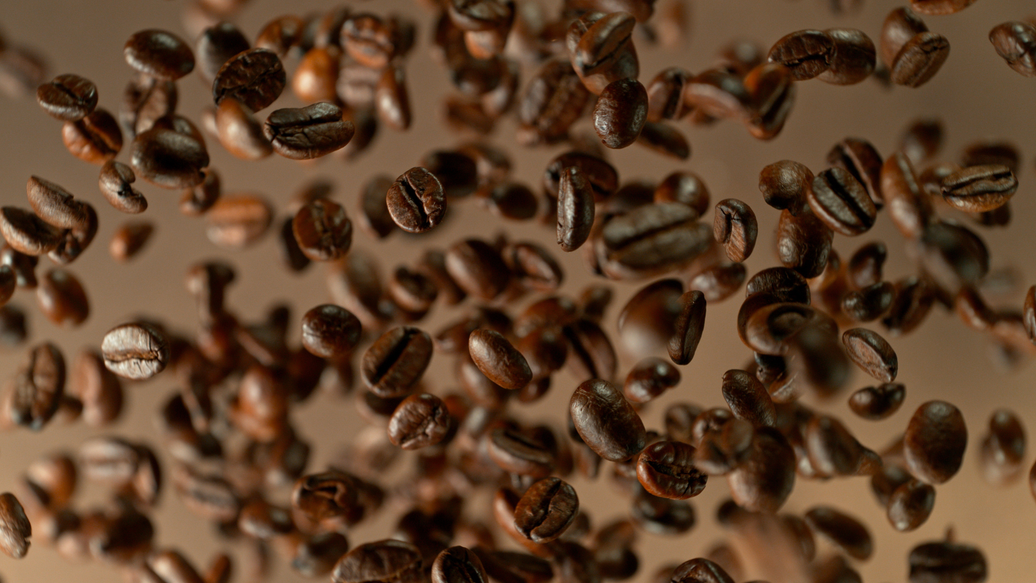
The coffee roast date is the day the beans were roasted. Unlike many supermarket coffees that display only a “best by” or expiration date, the roast date gives you the clearest picture of freshness. Coffee doesn’t spoil in the traditional sense like milk or bread, but it does lose flavor over time. That means the closer you brew your beans to their roast date (with a short degassing period), the more nuanced and aromatic your cup will be.
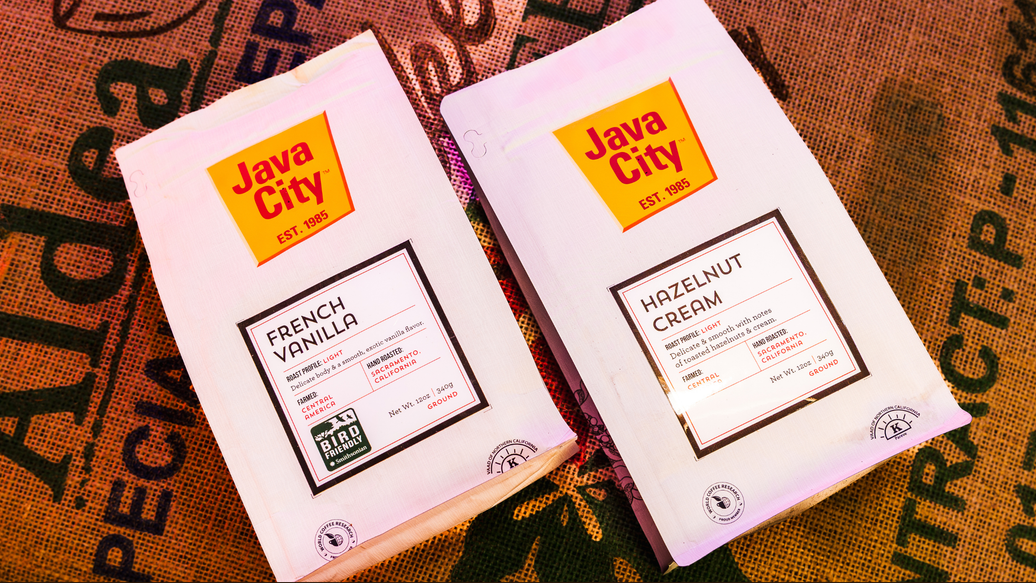
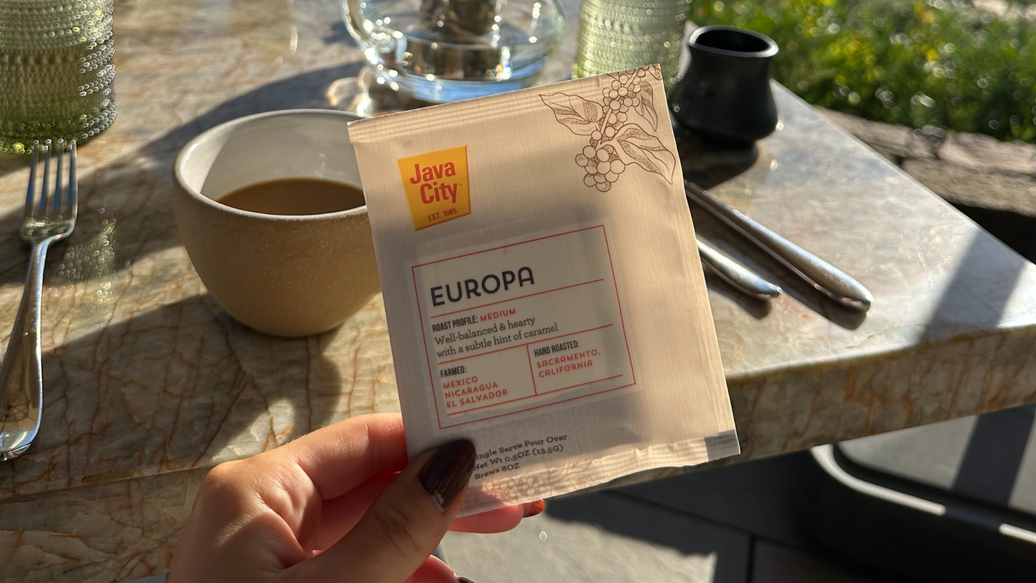
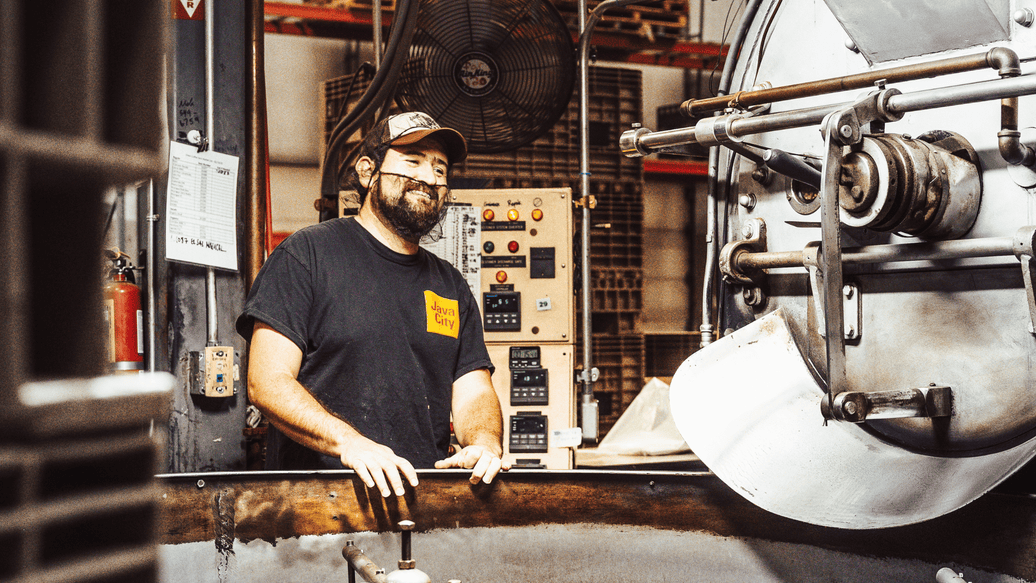
At Java City, we roast to order. This means your beans aren’t sitting in a warehouse for weeks—or worse, months—before they reach your shelf. Whether you're a café owner ordering coffee beans in bulk or a retail customer browsing coffee online, we ensure every bag is labeled with a clear roast date so you know exactly what you're getting.
How Long Does Coffee Stay Fresh?
So, how long does coffee last after roasting? The answer depends on how it’s stored, but in general:
-
Whole bean coffee stays fresh for up to 4 weeks after roasting.
-
Ground coffee has a shorter window—about 1 to 2 weeks of peak flavor.
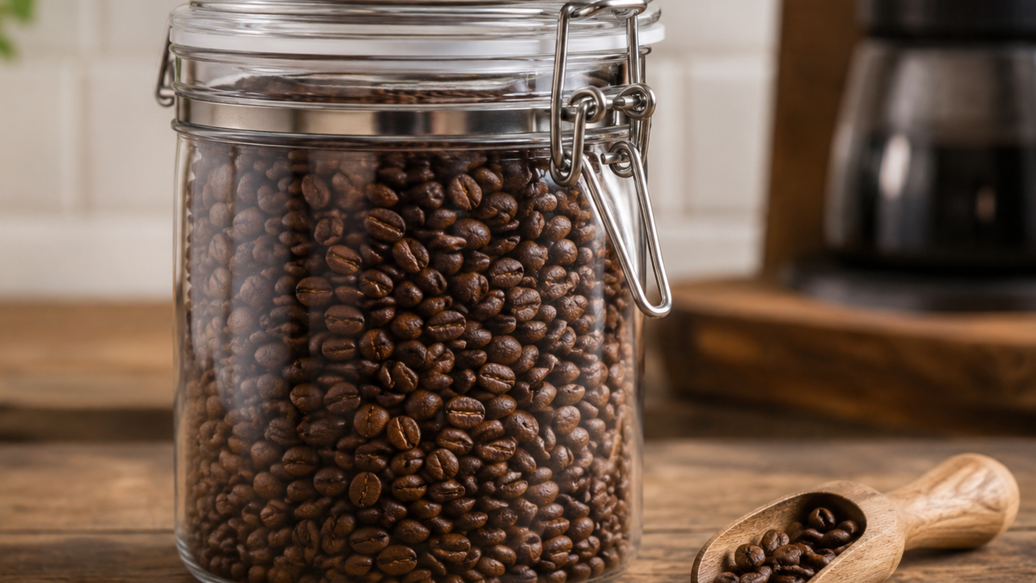
- Proper storage (an airtight container, a cool and dark place) can help extend that freshness.
That said, the sweet spot for brewing is usually between 3–14 days after roasting. This gives time for the beans to degas (release CO₂) and reach optimal flavor development. It’s one of the many reasons we recommend buying only what you need for a few weeks at a time.
Why “Best By” Dates Can Be Misleading
A “best by” date is often just a guess, set far into the future to extend shelf appeal, especially in grocery chains. While a bag may still be technically drinkable for months, much of the flavor will have faded.
That’s why we focus on the coffee roast date instead. It gives you the power to decide how fresh you want your coffee to be. Our packaging is also designed to preserve freshness without relying on artificial timelines. Each bag includes a one-way valve that allows gas to escape without letting oxygen in, helping maintain flavor and aroma longer.
What This Means for Wholesale Partners
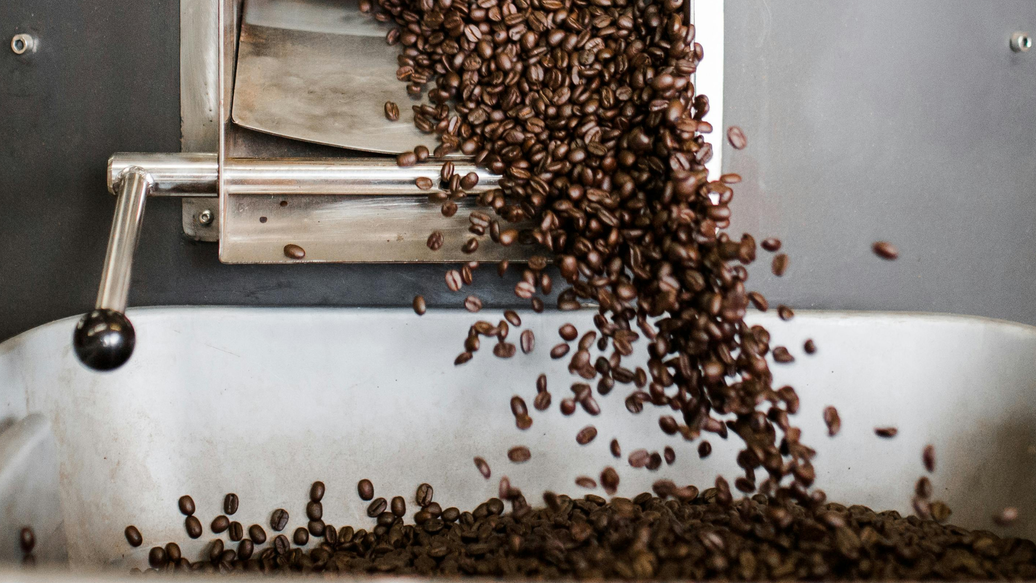
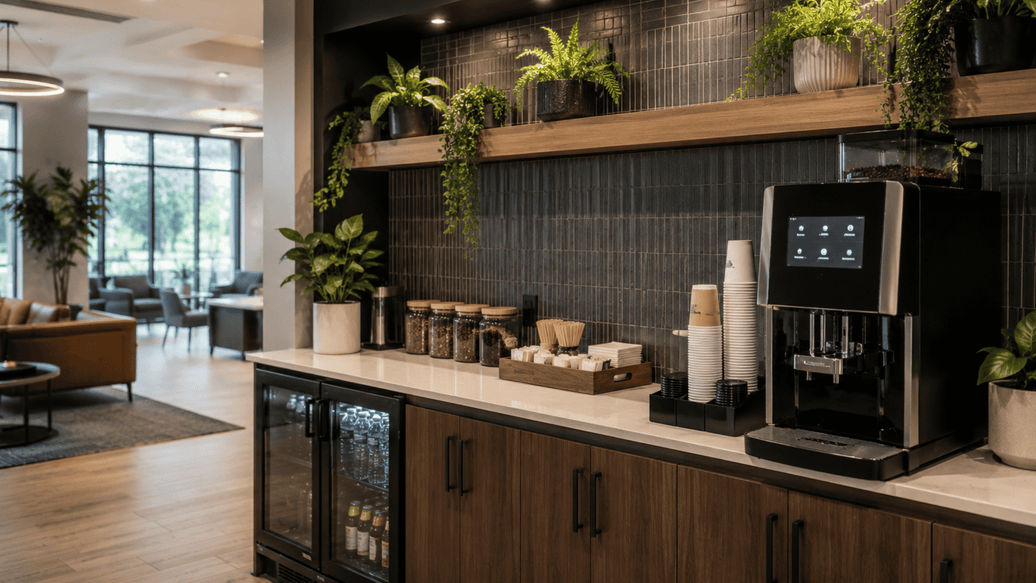
For our wholesale coffee customers—cafés, corporate offices, college campuses, or hospitality venues—freshness is critical. Your clients and guests notice when the coffee tastes flat or stale. That’s why we ship fresh-roasted coffee directly from our Sacramento roastery.
We also offer flexible ordering and delivery schedules to ensure you're always stocked with beans at their peak. Our team works closely with partners to align delivery timing with your usage rates so you're not sitting on old inventory. It’s part of our commitment to consistency and quality in every cup.
Why It Matters
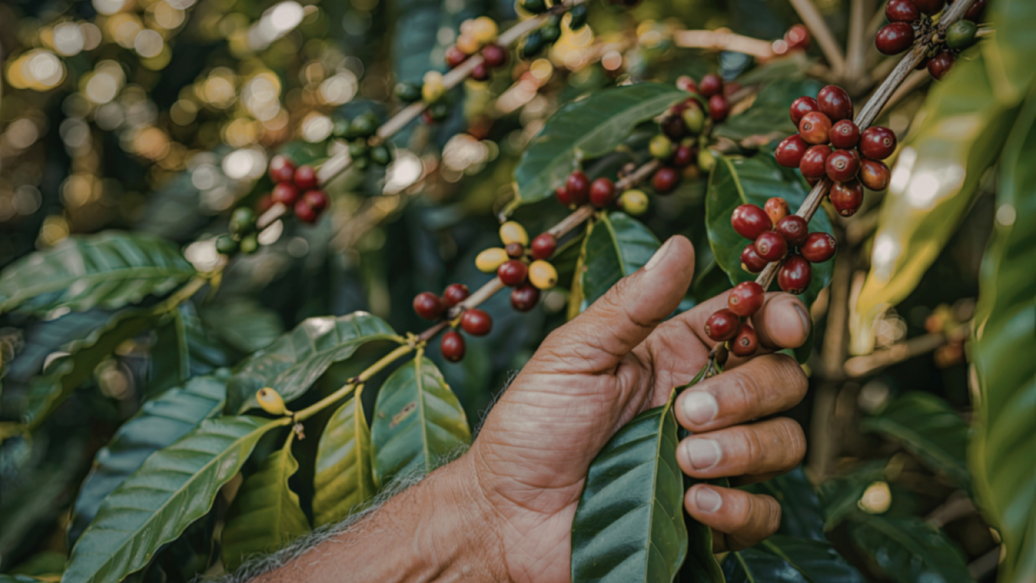
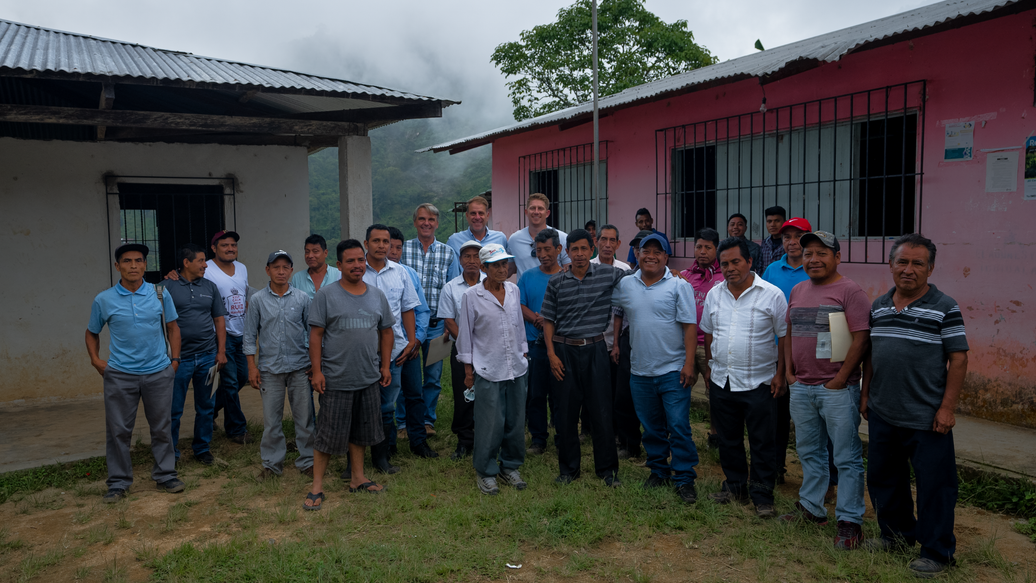
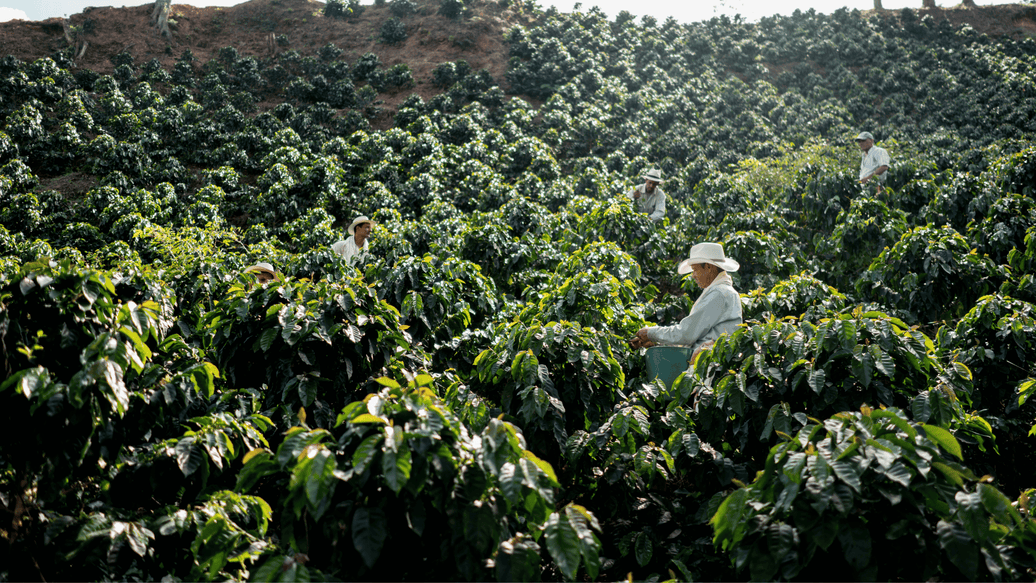
At Java City, we’re not just roasting coffee. We’re crafting a journey that begins at the farm and ends in your cup. Freshness isn’t just a trend to us; it’s a promise. Whether you're savoring a single-origin from Guatemala or brewing in bulk for your office, that promise holds true. Every roast is created in partnership with The Coffee Farmers Co-Op, ensuring your coffee is as sustainable as it is fresh.
Want to learn more about our fresh-roasted coffee or our wholesale offerings? Explore our wholesale coffee program and taste the difference that freshness makes.