
You can buy great coffee beans, use filtered water, and follow a recipe perfectly, but if your coffee grind size is wrong, your coffee can still taste bitter, sour, weak, or just a little off.
Grind size is one of the biggest factors that determines how your coffee tastes because it controls how quickly water extracts flavor from the grounds. Different brewing methods require different grind sizes, which is why the best grind for a French press is very different from the best grind for espresso.
The good news? You do not need to be a coffee expert to get it right. This coffee grind guide breaks down what grind size means, how it affects extraction, and which grind works best for the most popular brewing methods.

What Is Coffee Grind Size?
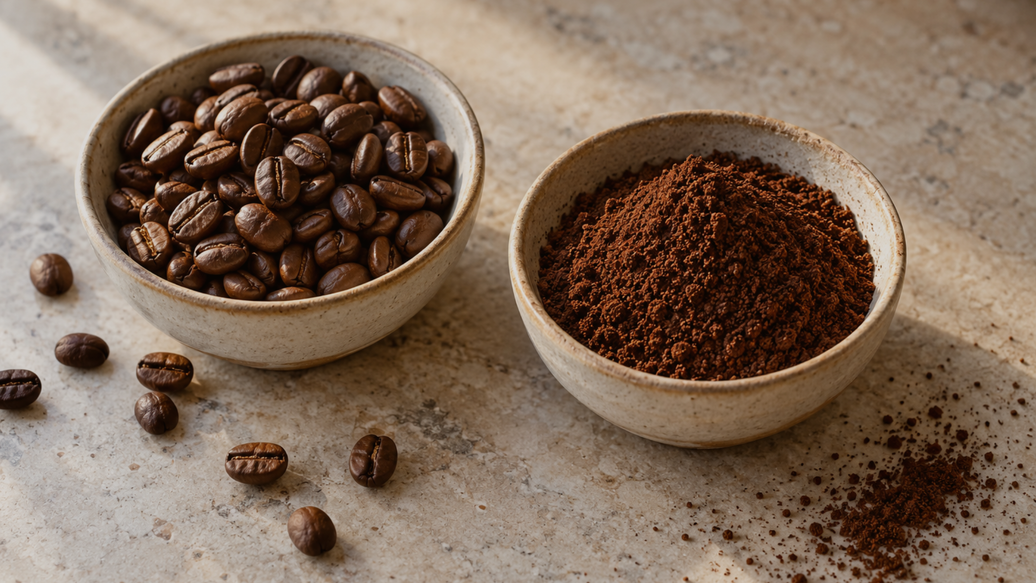
Coffee grind size refers to how finely or coarsely whole coffee beans are ground before brewing.
Grind sizes generally fall into five categories:
- Extra fine
- Fine
- Medium
- Medium-coarse
- Coarse
The finer you grind coffee, the smaller the individual coffee particles become. That creates more surface area for water to interact with during brewing. Coarser coffee has larger particles and less exposed surface area.
This matters because brewing coffee is essentially an extraction process. Hot water moves through or around the grounds and pulls out the soluble compounds responsible for the coffee's flavor, aroma, sweetness, acidity, and body.
The goal is to extract the right amount. Grind size helps you control how quickly that happens.
Why Does Coffee Grind Size Matter?
The relationship between coffee grind size and flavor comes down to extraction.
If water extracts too little from your coffee grounds, the coffee is under-extracted. It may taste:
- Sour
- Sharp
- Thin
- Weak
- Watery
If water extracts too much, the coffee is over-extracted. It may taste:
- Bitter
- Dry
- Harsh
- Astringent
A balanced extraction allows the coffee's sweetness, acidity, aroma, and natural flavor characteristics to come through.
As a general rule, finer grinds extract more quickly, while coarser grinds extract more slowly. That is why fast brewing methods like espresso need finely ground coffee, while methods with longer contact times, such as French press and cold brew, typically need a much coarser grind.
Coffee Grind Chart: Which Grind Size Should You Use?
Use this coffee grind chart as a starting point for choosing the best coffee grind for your brewing method.
| Brewing Method | Recommended Grind Size | Texture Comparison |
|---|---|---|
| Turkish Coffee | Extra Fine | Powdered sugar |
| Espresso | Fine | Fine sand |
| AeroPress | Fine to Medium | Table salt |
| Pour Over | Medium | Sand |
| Drip Coffee Maker | Medium | Regular sand |
| Chemex | Medium-Coarse | Coarse sand |
| French Press | Coarse | Sea salt |
| Cold Brew | Coarse | Coarse sea salt |
Keep in mind that these recommendations are starting points, not strict rules. Your coffee, grinder, equipment, water temperature, and personal taste can all affect the ideal grind.
Best Grind Size for Espresso
Best grind: Fine
Espresso is brewed very quickly under pressure, so the water has only a short amount of time to extract flavor from the coffee. A fine grind provides enough surface area for proper extraction during that short brewing window.
If your espresso runs too quickly and tastes sour or weak, your grind may be too coarse.
If it runs very slowly and tastes bitter or harsh, the grind may be too fine.
Small grind adjustments can make a surprisingly big difference with espresso.
Best Grind Size for Drip Coffee
Best grind: Medium
For most automatic drip coffee makers, a medium grind is the best place to start. Think of a texture similar to sand.
A medium grind allows water to move through the coffee bed at a controlled rate, creating a balanced extraction without slowing the brewing process too much.
If your morning pot consistently tastes bitter, try grinding slightly coarser. If it tastes weak or sour, try going slightly finer.
Best Grind Size for Pour Over Coffee
Best grind: Medium
Most pour over methods work well with a medium grind, although you may need to adjust slightly depending on the brewer and recipe.
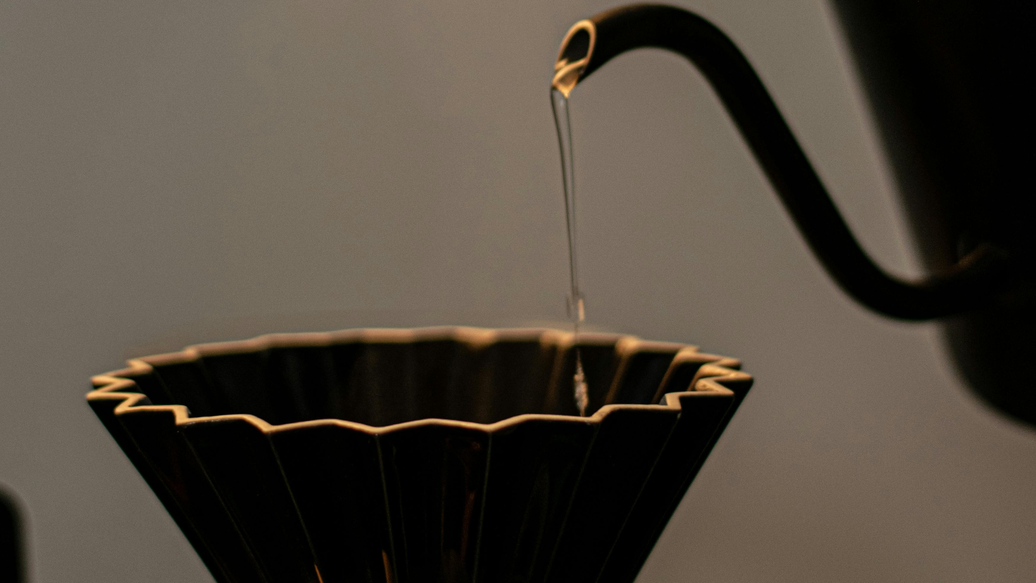
Pour over brewing gives you more control over factors like water flow, brew time, and coffee-to-water ratio. Because these variables work together, grind size is often one of the easiest ways to fine-tune the final cup.
If water drains through your coffee much too quickly, try a finer grind. If the brew seems to stall and drain very slowly, go a little coarser.
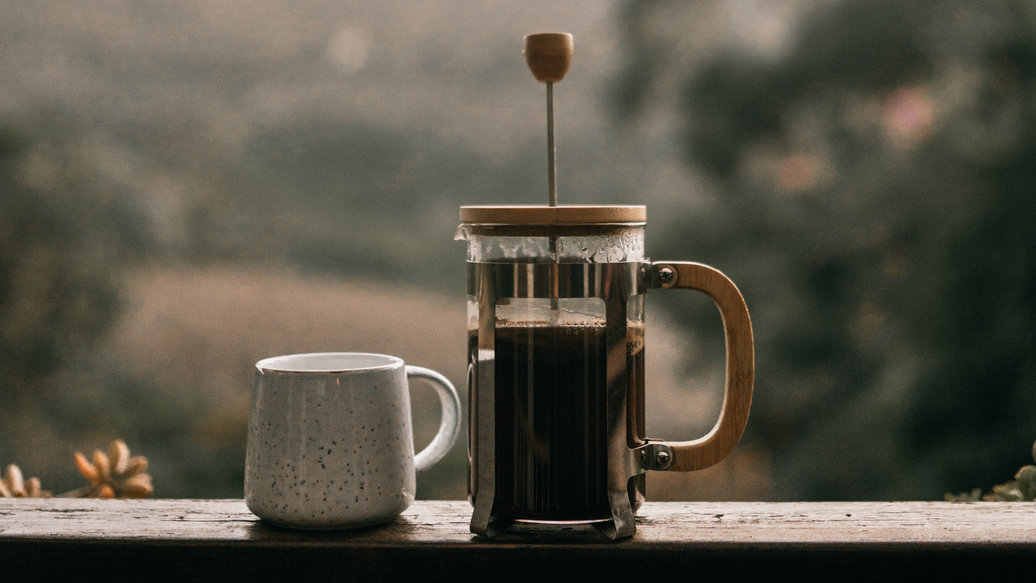
Best Grind Size for French Press
Best grind: Coarse
French press coffee typically steeps for several minutes, giving the water plenty of time to interact with the grounds.
A coarse grind slows extraction and also helps keep smaller coffee particles from passing through the French press filter.
Using coffee that is too finely ground can create a muddy cup with excess sediment and may contribute to over-extraction and bitterness.
For French press, aim for grounds that resemble coarse sea salt.
Best Grind Size for Cold Brew
Best grind: Coarse
Cold brew has one of the longest extraction times of any common coffee brewing method. Coffee grounds may remain in contact with water for 12 hours or longer.
Because of that extended brew time, coarse coffee grounds are generally the best choice.
A fine grind can extract too quickly and make filtration more difficult. A coarse grind helps create the smooth, rich flavor people typically want from cold brew while making it easier to strain the finished coffee.
What Happens If Your Coffee Grind Is Too Fine?
If your coffee is ground too finely for your brewing method, water may have too much contact with the coffee's surface area or move through the grounds too slowly.
The result can be over-extracted coffee that tastes bitter, dry, or harsh.
You may also notice practical brewing problems. A pour over may drain extremely slowly, a French press may become difficult to plunge, or an espresso shot may barely flow.
If your coffee tastes unpleasantly bitter, try adjusting your grinder slightly coarser before changing several other parts of your recipe at once.
What Happens If Your Coffee Grind Is Too Coarse?
When coffee is ground too coarsely, water can move through the grounds without extracting enough of their flavor.
The result is often under-extracted coffee that tastes sour, watery, or noticeably weak.
If your coffee consistently lacks sweetness or depth, try grinding slightly finer.
The keyword here is slightly. Small adjustments can have a noticeable effect, especially when using a quality burr grinder.
Does Grind Size Affect Coffee Strength?
Yes, but not always in the way people expect.
Coffee strength is influenced by several variables, including the amount of coffee used, the amount of water, brew time, and extraction. Grind size primarily changes how efficiently and quickly flavor is extracted.
Grinding coffee finer does not automatically make it "stronger." If the grind becomes too fine, you may simply end up with an over-extracted, bitter cup.
If you want a stronger cup of coffee, start with the correct grind size for your brewing method and adjust your coffee-to-water ratio rather than relying on grind size alone.
Is a Burr Grinder Better for Getting the Right Coffee Grind?
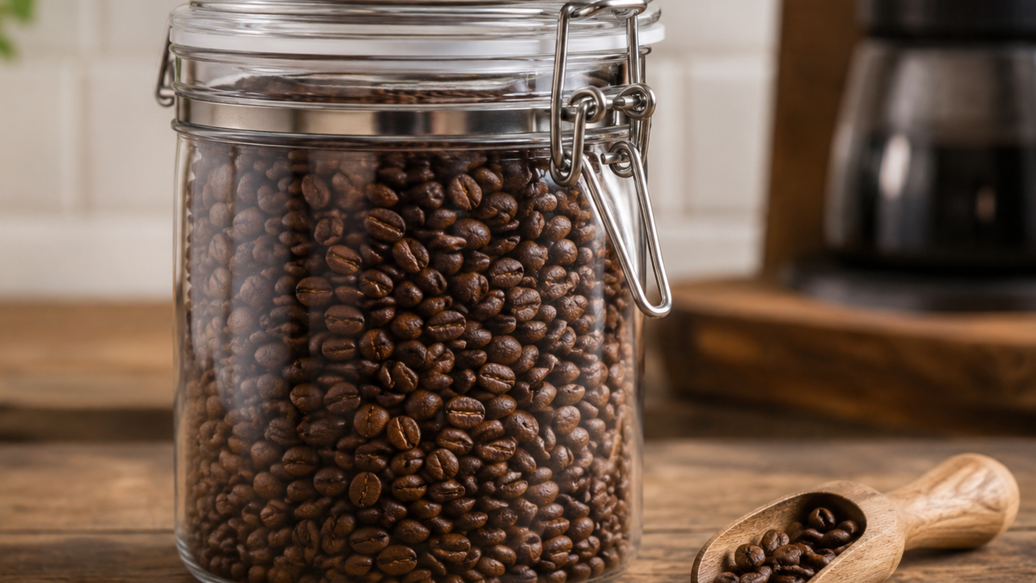
If you regularly grind whole bean coffee at home, a burr grinder can make it much easier to achieve a consistent grind.
Blade grinders chop beans somewhat randomly, which can create a mixture of very fine particles and larger pieces. Those particles extract at different rates, making it harder to produce a balanced cup.
Burr grinders crush coffee between two burrs and typically allow you to select a specific grind setting. The more consistent particle size gives you greater control over extraction and makes it easier to repeat a brew you love.
Should You Grind Coffee Beans Fresh?
Whenever possible, yes.
Grinding dramatically increases the amount of coffee exposed to air. Once coffee is ground, its aromas and flavors can begin changing more quickly.
For the freshest experience, buy quality whole bean coffee and grind only what you need shortly before brewing.
If you prefer the convenience of pre-ground coffee, make sure you choose a grind appropriate for your brewing method and store the coffee in a tightly sealed container away from heat, moisture, and direct sunlight.
How to Adjust Your Coffee Grind Based on Taste
A coffee grind chart gives you a starting point. Your taste buds tell you where to go from there.
Try this simple troubleshooting rule:
Coffee tastes sour, thin, or watery: Grind a little finer.
Coffee tastes bitter, harsh, or dry: Grind a little coarser.
When experimenting, change one variable at a time. Keep your coffee amount, water amount, temperature, and brewing method consistent, then make a small grind adjustment.
This makes it much easier to figure out what actually improved your coffee.
Frequently Asked Questions About Coffee Grind Size
What is the best coffee grind size?
There is no single best coffee grind size for every cup. The best grind depends primarily on your brewing method. Espresso generally requires a fine grind, drip and pour over coffee typically use a medium grind, and French press and cold brew usually work best with a coarse grind.
What grind size is best for a regular coffee maker?
Most automatic drip coffee makers perform well with a medium grind. If your coffee tastes bitter or the water moves through the grounds very slowly, try going slightly coarser. If it tastes weak or sour, try a slightly finer grind.
Does finer ground coffee taste stronger?
Not necessarily. A finer grind increases the surface area available for extraction, but grinding too finely can cause over-extraction and bitterness. Coffee strength also depends on the coffee-to-water ratio and brewing method.
Can I use espresso grind for regular coffee?
You can technically brew finely ground coffee in some drip machines, but it is usually not recommended. Espresso grounds are much finer than standard drip coffee grounds and may slow water flow, contribute to sediment, and produce an over-extracted cup.
What coffee grind is best for cold brew?
A coarse grind is typically best for cold brew. The larger coffee particles work well with cold brew's long steeping time and are easier to filter when brewing is complete.
Better Coffee Starts With the Right Grind
Great coffee is not only about choosing great beans. How you prepare those beans matters, too.
Understanding coffee grind size gives you one of the easiest ways to improve your coffee at home. Start with the recommended grind for your brewing method, pay attention to how your coffee tastes, and make small adjustments until you find your sweet spot.
Whether you're making espresso, drip coffee, pour over, French press, or cold brew, matching the grind size to the brewing method helps you get more balanced flavor from every cup.
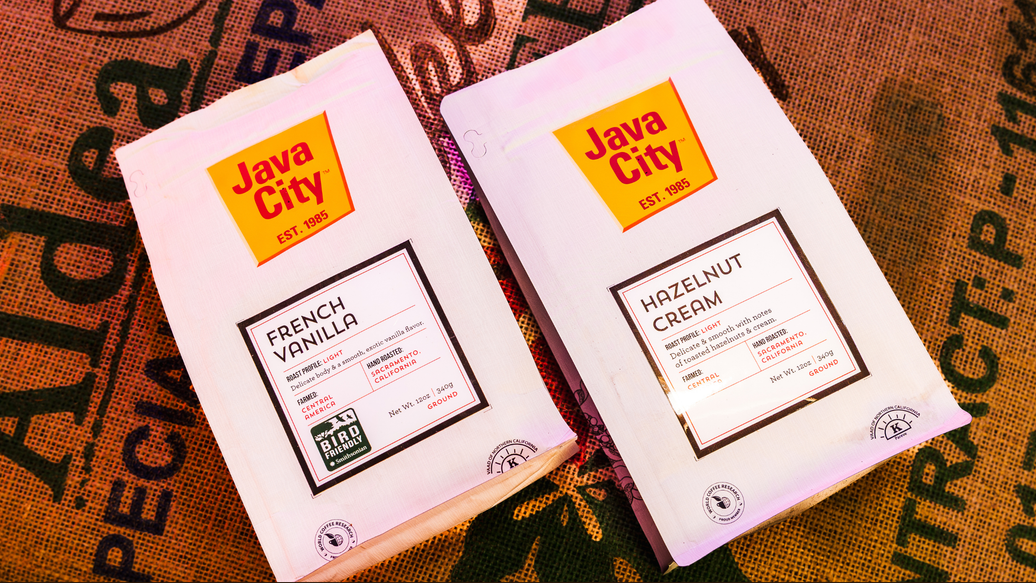
At Java City, we believe better coffee starts with understanding what's in your cup and how to get the most from every bean. Explore our coffees and find a roast worth dialing in for your favorite brewing method.