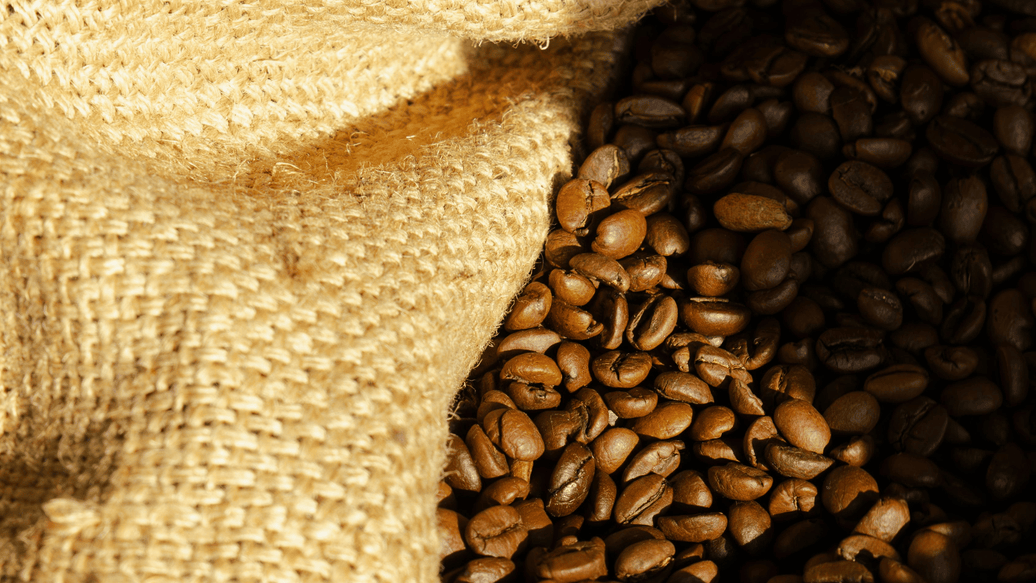
If you own a grinder and enjoy dialing in your coffee, whole bean is usually the better buy. You can grind just before brewing, choose the right grind size for your equipment, and keep the rest of the bag unground. If speed matters more in your morning routine, ground coffee is a good choice. You can still make a great cup, especially when you buy an amount you will use regularly and store it well.
The best choice comes down to how you brew, how quickly you finish a bag, and whether you want grinding to be part of your routine.

Whole Bean vs. Ground Coffee at a Glance
|
Whole bean coffee |
Ground coffee |
|
|
Daily prep |
Grind before brewing |
Measure and brew |
|
Freshness |
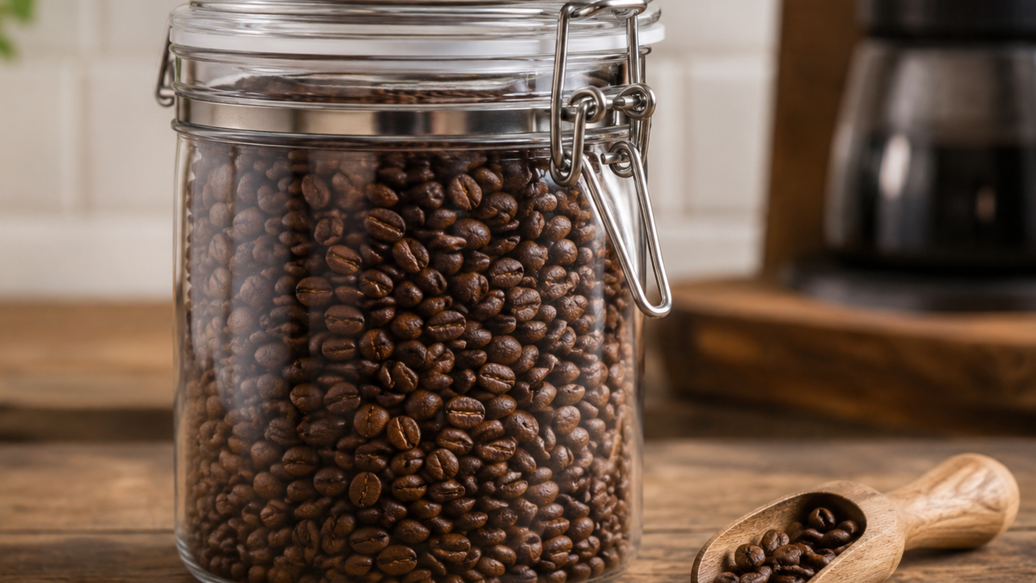
Retains flavor and aroma longer after opening |
Loses flavor faster after grinding |
|
Grind control |
Choose a grind for each brewing method |
Use the grind provided |
|
Equipment |
Requires a grinder |
No grinder needed |
|
Best fit |
People who enjoy adjusting their brew or use several methods |
People who prioritize convenience or use one brewing method |
Neither format changes where the coffee was grown or how it was roasted. You are choosing when the beans are ground and how much control you want over that step.
Does Whole Bean Coffee Taste Better?
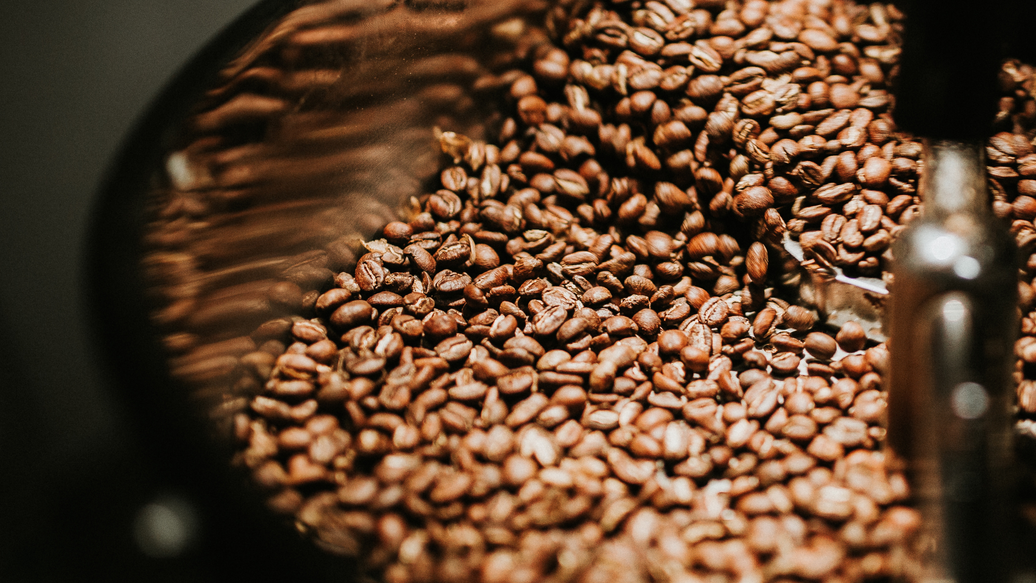
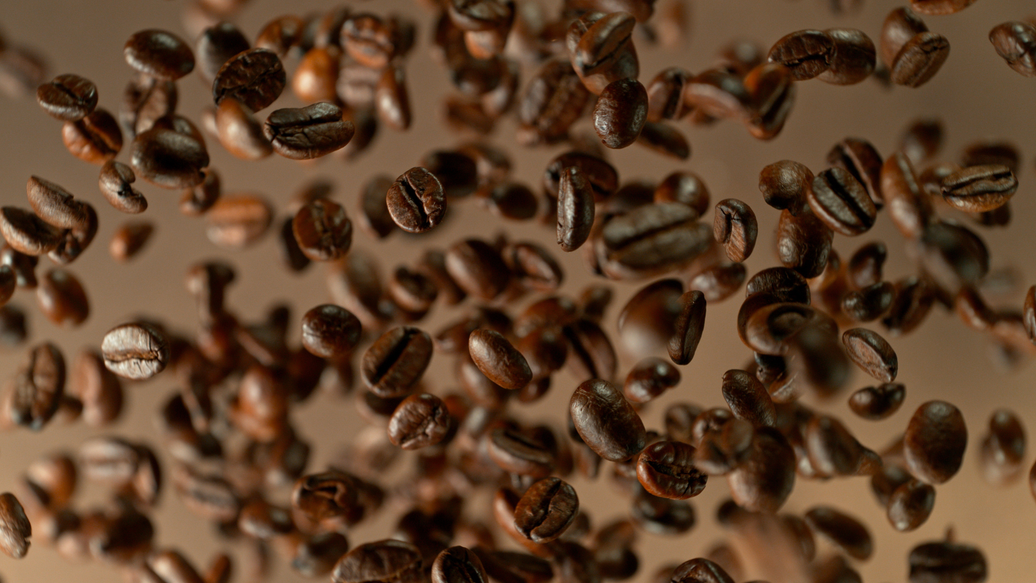
Whole bean coffee has a freshness advantage because more of the coffee stays intact until you are ready to brew. Grinding breaks the beans into small particles, exposing more of the coffee to air. As a result, ground coffee’s aroma and flavor tend to fade faster, particularly after you open the bag.
That does not mean every cup made from whole beans will taste better. Grind size matters, too. A good pre-ground coffee that suits your brewer may give you a more enjoyable cup than whole beans put through a grinder that produces very uneven particles.
If you want to explore how grind size changes the result, read our coffee grind size guide. For a closer look at freshness after opening, see how long coffee beans stay fresh.
When Should You Buy Whole Bean Coffee?
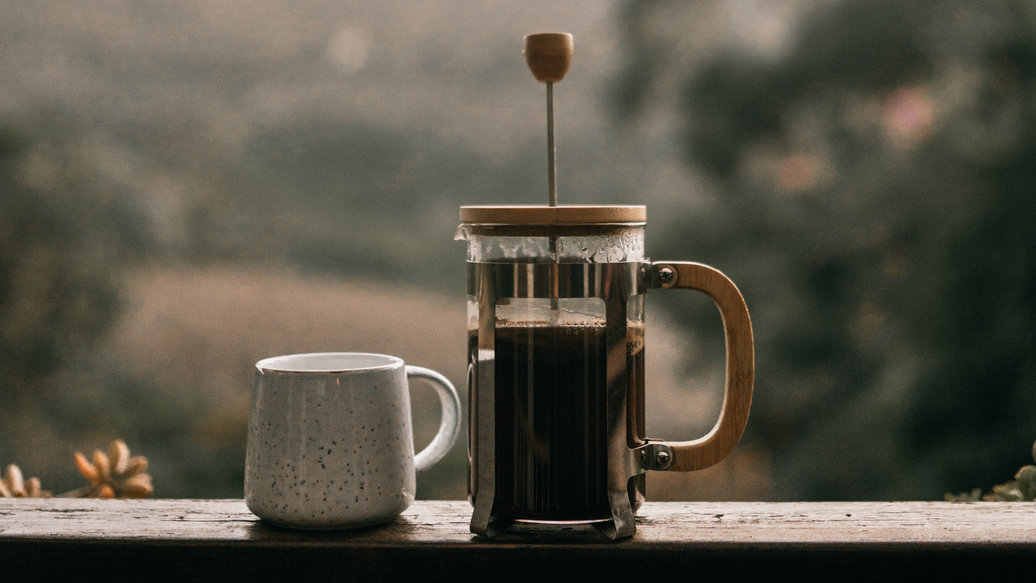
Choose whole bean if you have a grinder and want to make the most of each bag. It is especially useful when you switch between brewing methods. A French press needs a coarser grind than many drip brewers, while pour-over recipes can call for a different setting again. With whole beans, you can adjust the grind rather than buying a separate ground coffee for each brewer.
Whole bean also makes sense if a bag lasts a while in your home. You can grind only the amount you need and keep the rest sealed.
Browse Java City’s whole bean coffee if you like that flexibility. For a familiar everyday option, Midtown Blend is available in whole bean or ground form, so you can choose the format that suits your setup.
When Is Ground Coffee the Better Choice?
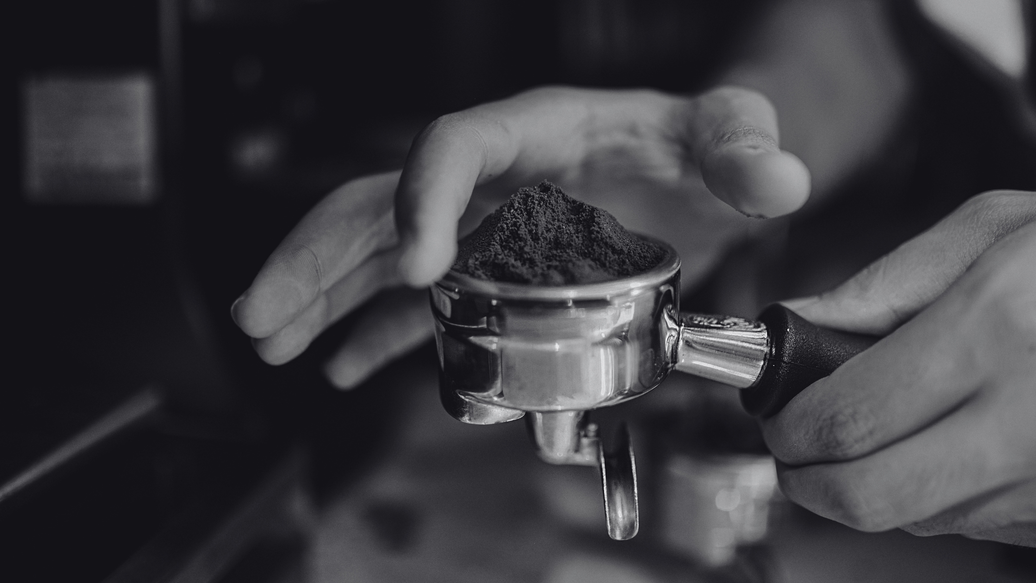
Buy ground coffee if you do not have a grinder, want fewer steps before your first cup, or use the same brewing method every day. It is also convenient for a shared kitchen where keeping a grinder on the counter is impractical.
The key is to buy ground coffee suited to the way you brew and use the bag while its flavor is still at its best. If a large bag sits open for weeks, try buying smaller amounts more often. Seal it tightly after each use rather than leaving it in an open hopper or loosely folded bag.
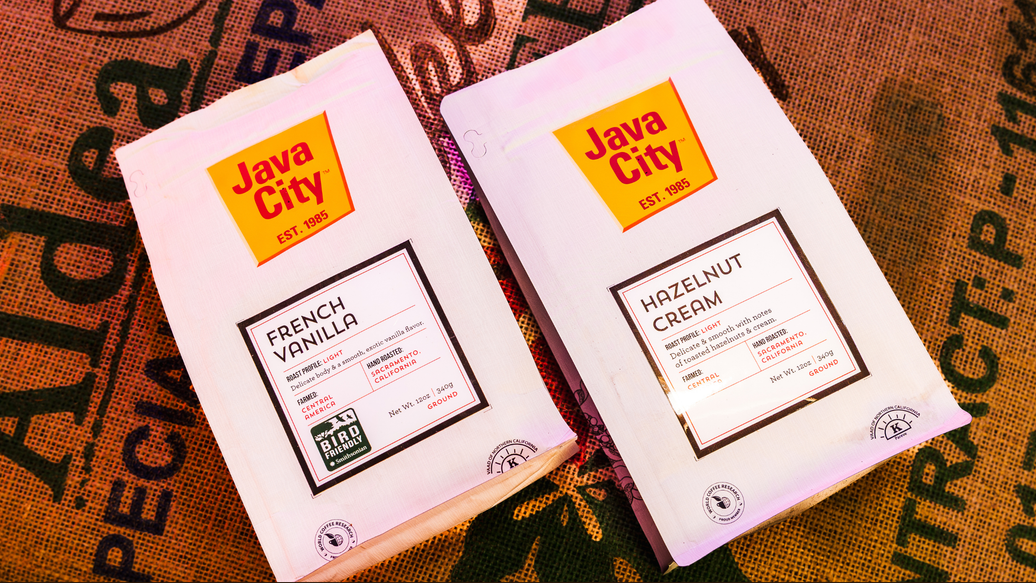
You can explore Java City’s ground coffee selection, including coffees such as Colombia Del Alma, which offers both whole bean and ground options.
Does Brewing Method Change Which One You Should Buy?
Yes, because different brewers work best with different grind sizes. If you use more than one brewer, whole bean coffee gives you room to adjust. If you make drip coffee in the same machine every morning, an appropriate pre-ground coffee may be all you need.
Before buying ground coffee, check the grind option on the product page and make sure it suits your equipment. If the available grind is not a good match, buy whole bean and grind it yourself, or ask whether a different grind option is available.
The amount of coffee matters alongside grind size. Our coffee-to-water ratio guide has starting measurements for drip, pour-over, and French press. If that article has not been published yet, add this internal link after it goes live.
How Should You Store Whole Bean and Ground Coffee?
Store either format in a sealed container in a cool, dry, dark place. Keep it away from the stove, a sunny windowsill, and other places where heat or moisture can affect it. Close the bag promptly after measuring what you need.
Ground coffee needs a little more attention because it has already been exposed to air through grinding. Buy an amount you can use at a comfortable pace rather than stocking up far beyond your normal routine. Whole beans give you more flexibility, but they also benefit from proper storage. For more detail, see our coffee storage and freshness guide.
Whole Bean vs. Ground Coffee FAQ
Is whole bean coffee better than ground coffee?
Whole bean coffee generally retains flavor and aroma longer because you can grind it immediately before brewing. Ground coffee is more convenient and can still produce an enjoyable cup. The better choice depends on your grinder, brewing method, and how quickly you use a bag.
Should I buy whole bean coffee if I do not have a grinder?
Only if you plan to get a grinder or have another reliable way to grind the beans. Otherwise, buy ground coffee that works with your brewer. Whole beans cannot go directly into a standard drip coffee maker.
Does ground coffee go stale faster than whole bean coffee?
Yes. Grinding exposes much more of the coffee to air, so ground coffee generally loses its aroma and flavor faster after opening. Packaging, storage, and how quickly you finish the bag also affect what you taste.
Can I use the same ground coffee for drip, pour-over, and French press?
You can try, but one grind size may not work equally well in all three. If you frequently change brewing methods, whole bean coffee and a grinder give you more control over the result.
Is whole bean coffee stronger than ground coffee?
The format alone does not make coffee stronger. Strength depends on how much coffee and water you use, along with your grind and brewing method. The same coffee can taste different when you change its grind size or recipe.
Which should I buy for a coffee maker?
For a standard drip coffee maker, buy coffee ground appropriately for drip brewing or grind whole beans yourself. If you are happy with your current brewer and want a simple routine, ground coffee is an easy place to start.
Which Coffee Fits Your Routine?
Buy whole bean if you want to grind fresh, adjust your grind for different brewers, and make coffee preparation part of your morning. Buy ground coffee if you want to measure, brew, and get on with your day.
You can find both in Java City’s coffee collection. Start with a roast you enjoy, choose the format that fits your equipment, and buy a bag size you will use comfortably.