The office coffee station gets used every day, but it is easy to overlook until the brewer breaks, the coffee runs out, or nobody likes what is in the pot. A good workplace coffee program solves those everyday problems. Employees can find a drink they enjoy, and the person managing the breakroom has a clear plan for ordering, brewing, and keeping everything stocked.
If you are choosing an office coffee service or updating the one you already have, start with how your team actually uses it. The right setup for 15 people who come in every day may look very different from one for 150 people on a hybrid schedule.

Start With Your Office’s Coffee Habits
Before choosing coffee or equipment, spend a week or two observing the breakroom. How many people are in the office on a typical day? When does coffee run out? Do employees make a cup on arrival, refill throughout the morning, or mostly drink it during meetings?
Ask a few simple questions, too:
-
Do people prefer brewed coffee, single cups, iced coffee, or a mix?
-
Is there demand for decaf and tea?
-
Are certain days much busier because of hybrid schedules?
-
Who currently refills supplies and cleans the equipment?
-
How often do you need coffee for guests or larger meetings?
You do not need a lengthy survey. Even a quick conversation with employees can help you avoid buying equipment that looks impressive but does not fit the way your office works.
Choose a Small, Useful Variety of Coffee
Offering more choices does not always make for a better coffee station. A reliable starting point is one approachable everyday coffee, one bolder option, and decaf.
A medium roast often works well as the main office coffee because it appeals to a wide range of tastes. A dark roast gives employees another option without making the selection difficult to manage. For people who skip caffeine later in the day, decaf is worth keeping on hand.
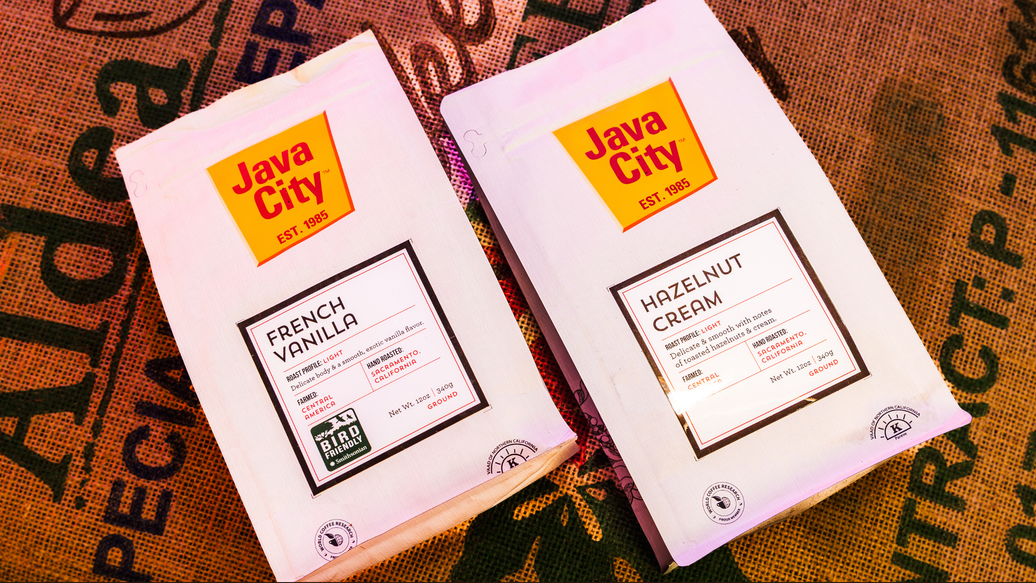
Java City offers light, medium, dark, flavored, and decaf coffees, so an office can build a selection around what employees actually drink. If your team wants a little more variety, consider rotating a featured coffee rather than stocking several open bags at once. That keeps the station interesting while making it easier to use coffee while it is fresh.
Match the Equipment to Your Daily Volume
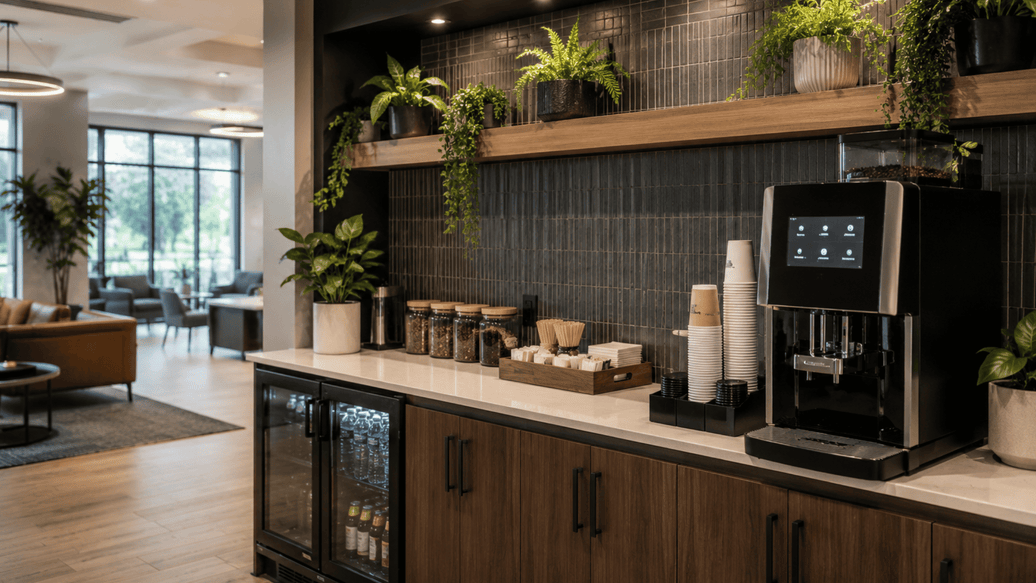
Equipment should make coffee easy to get during a busy workday. Think about how many cups people need at the same time, how much counter space you have, and who will handle daily cleaning.
Batch brewers are a practical fit when several people want coffee during the same morning rush. Brewing a full pot also makes sense for meetings and shared breakrooms. If coffee sits for hours without being used, though, smaller batches or fewer brew times may work better.
Single-cup systems give employees more choice and can suit offices where people make coffee throughout the day. They may also be helpful when in-office attendance varies. Consider the cost per cup, restocking, and packaging alongside the convenience.
Bean-to-cup or espresso equipment can offer a wider drink selection, but it needs enough use, counter space, and cleaning attention to justify the setup.
Ask a prospective office coffee supplier who is responsible for installation, maintenance, repairs, and training. Those details matter just as much as the brewer itself. Java City’s beverage program includes equipment selection, account support, and training tailored to the operation. Confirm the specific options available for your workplace when planning your program.
Pick Serving Formats That Fit the Space
Whole bean, ground coffee, and single-serve options each solve a different problem.
Whole bean coffee works well when you have a grinder and someone can keep the equipment clean and stocked. Ground coffee simplifies brewing when employees are using a batch brewer. Single-serve coffee lets people choose their own cup without making a full pot.
You can also combine formats. A larger office might brew its most popular coffee in batches each morning and keep single-serve options available for decaf or occasional afternoon cups. Java City offers whole bean and ground coffees as well as single-serve coffee options.
Plan Orders Around Attendance, Then Adjust
For wholesale coffee for offices, ordering by total headcount can lead to too much coffee sitting in storage. Start with the number of people who are actually on-site each day.
Here is a simple way to estimate your first order:
-
Estimate the average number of people in the office each day.
-
Estimate how many cups each person drinks at work.
-
Multiply by the number of workdays between deliveries.
-
Add coffee for meetings and guests.
-
Review what is left before the next order and adjust.
For example, if 40 people are on-site daily and each drinks an average of 1.5 cups at work, plan for about 60 cups per day. That is a starting estimate, not a fixed rule. Track usage for a few weeks, especially if Tuesdays and Wednesdays are much busier than other days.
Keep a small backup supply, but avoid ordering months of coffee simply to prevent a stockout. Set a reorder point based on how quickly your office uses its regular coffee and how long delivery takes.
Remember the People Who Do Not Drink Regular Coffee
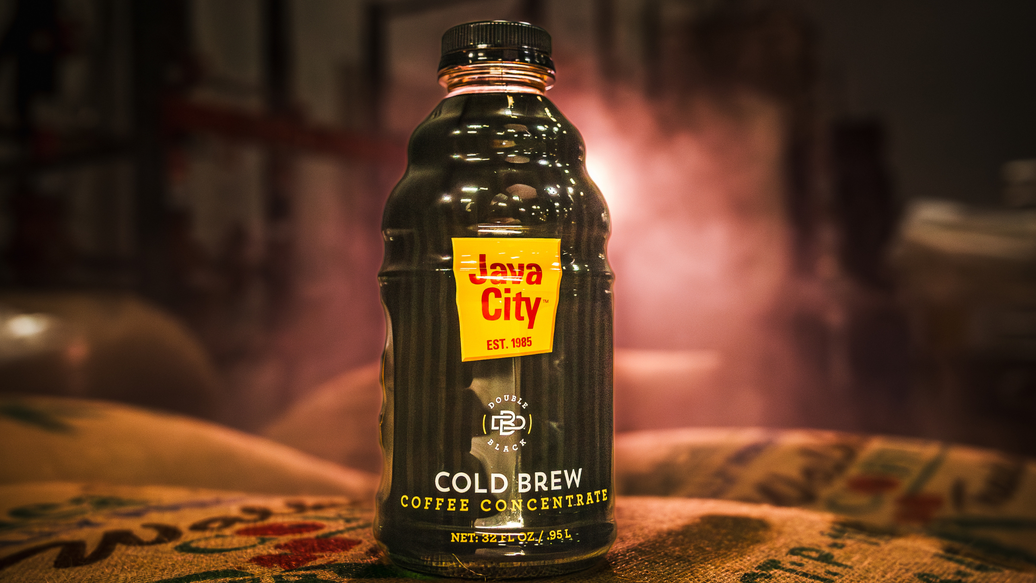
A workplace beverage program should serve more than the morning coffee crowd. Decaf, tea, and an iced option can make the breakroom more useful throughout the day. Milk, nondairy alternatives, sweeteners, cups, and lids also affect whether employees can make the drink they want.
Start with the essentials and watch what gets used. If a flavored syrup disappears quickly but another sits untouched, your next order should reflect that. Java City supplies coffee along with other beverage ingredients, including tea and syrups, for businesses building a broader beverage program.
Give Someone Ownership of the Coffee Station
Even excellent coffee disappoints when the brewer needs cleaning or supplies are scattered across the breakroom. Decide who will check inventory, place orders, clean equipment, and report problems. Put the brewing and cleaning instructions where the team can find them.
A short weekly check can cover most needs: coffee levels, filters or pods, cups, milk and alternatives, and the condition of the equipment. If several people share the responsibility, a simple checklist makes it easier to keep service consistent.
Build a Program That Can Change With Your Office
The best workplace coffee program is one you can adjust. An office may need more coffee as attendance grows, a different serving format after changing its hybrid schedule, or a new roast once employees have had time to give feedback.
Java City works with businesses on coffee selection, equipment, ordering, and ongoing support. If you are setting up coffee for a new office or improving an existing station, contact the Java City team to talk through your space, daily volume, and what your employees like to drink.