
Measuring coffee gets confusing fast. A “cup” on your coffee maker may be smaller than the mug you drink from, and tablespoons can hold different amounts depending on the grind. If your coffee tastes different every morning, the amount of coffee and water you use is a good place to start.
For drip coffee or pour-over, try 15 grams of coffee with 8 ounces of water. That is a 1:16 coffee-to-water ratio. For a French press, use 16 grams of coffee with 8 ounces of water for a slightly stronger starting point. The chart below shows how to scale either recipe for your mug or a full pot.

Coffee-to-Water Ratio Chart
This chart measures water added to the brewer, so the amount of coffee in your mug will be a little less. Grounds retain some water after brewing.
|
Water added |
Approximate water weight |
Coffee at 1:16 |
Coffee at 1:15 |
|
6 fl oz |
180 g |
11 g |
12 g |
|
8 fl oz |
240 g |
15 g |
16 g |
|
12 fl oz |
355 g |
22 g |
24 g |
|
16 fl oz |
475 g |
30 g |
32 g |
|
32 fl oz |
950 g |
59 g |
63 g |
Quick answer: If you are making coffee with 12 ounces of water, start with 22 grams of ground coffee for drip or pour-over. Use about 24 grams for a stronger French press. Adjust after tasting.
What Does a 1:16 Coffee Ratio Mean?
A 1:16 ratio means you use one part coffee to 16 parts water by weight. If you put 20 grams of coffee in your brewer, multiply by 16 to find the starting amount of water:
20 g coffee × 16 = 320 g water
You can scale the recipe up or down without changing its strength. For a larger batch, 60 grams of coffee and 960 grams of water follow the same ratio.
A kitchen scale is the easiest way to measure both ingredients. Put your brewer on the scale, add the coffee, reset the scale to zero, then add the amount of water your recipe calls for.
How Much Coffee Per Cup?
For a single serving, start with 15 grams of coffee and 8 ounces of water. If you’re brewing with 12 ounces of water, use 22 grams of coffee. Those amounts follow the 1:16 ratio for drip coffee and pour-over.
Measure the water you add to the brewer rather than relying on its “cup” markings, which may be smaller than the mugs you use at home. The grounds will absorb some water, so the finished coffee will be a little less than the amount you poured in.
How Many Tablespoons of Coffee Per Cup?
If you do not have a scale, the National Coffee Association’s drip coffee guide suggests 1 to 2 tablespoons of ground coffee for every 6 ounces of water. For 12 ounces of water, that is 2 to 4 tablespoons as an initial range.
A tablespoon is less precise than a scale. The weight it holds changes with grind size, roast, and whether you scoop it level or heaped. If your first cup tastes weak, add a little more coffee next time. If it tastes stronger than you like, use less. Keep the water measurement the same while you make that adjustment.
The Best Coffee Ratio for Each Brewing Method
Drip coffee: Start at 1:16
For an automatic drip brewer, try 15 grams of ground coffee per 240 grams, or about 8 ounces, of water. If your machine makes several cups at once, weigh the water you add or check its reservoir markings before scaling the recipe.
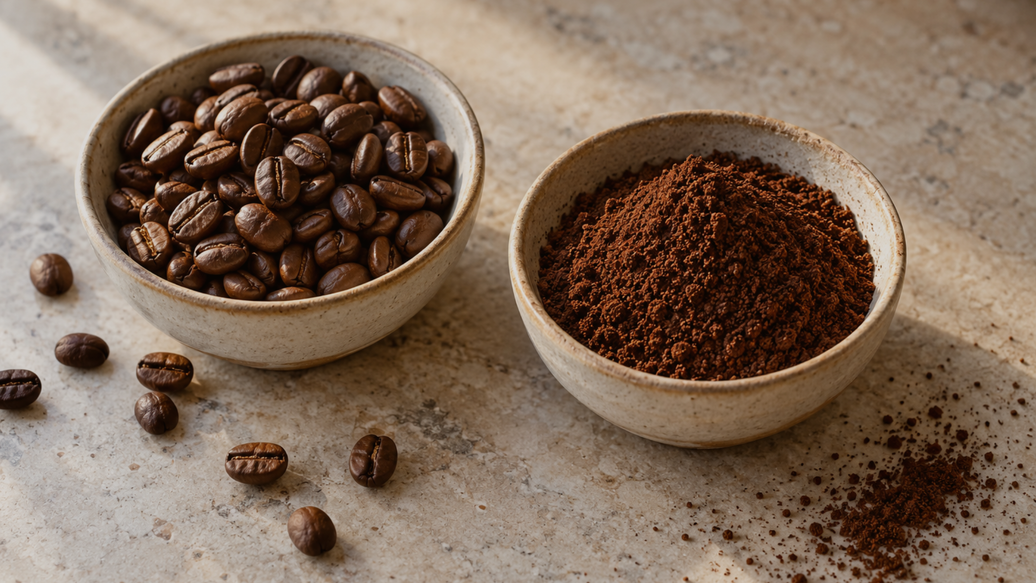
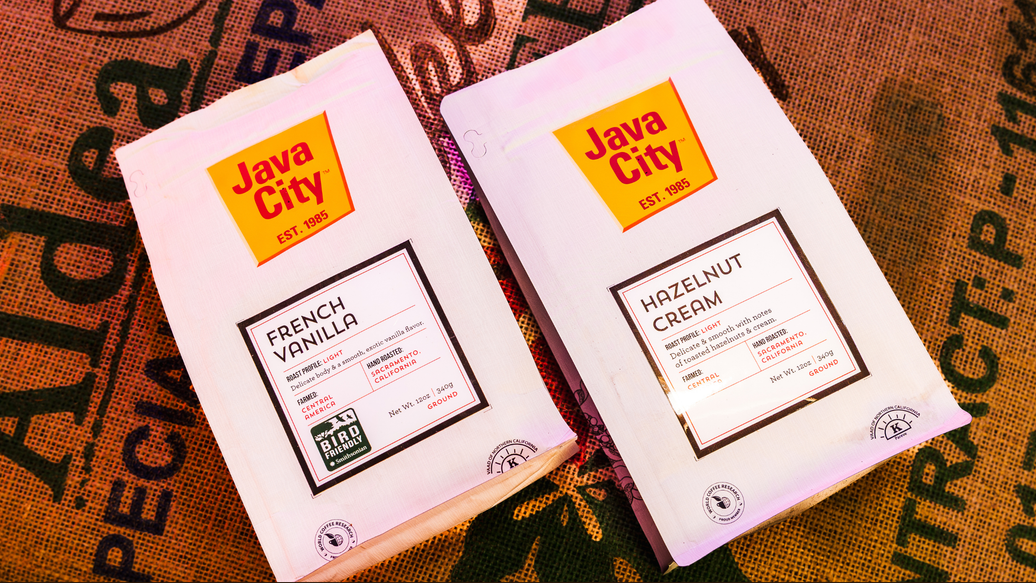
Buying ground coffee can make the morning routine simpler. Just check that the grind works well with your machine.
Pour-over: Start at 1:16
For one pour-over, try 20 grams of coffee and 320 grams of water. Pour slowly enough to wet all the grounds and let the water pass through at a steady pace.
A scale is especially helpful here because you can measure the water as you pour. If you grind at home, explore Java City’s whole bean coffees and adjust the grind to suit your brewer. The National Coffee Association lists a range of 1:13 to 1:16 for pour-over, so 1:16 gives you a sensible place to begin before changing the strength to your taste.
French press: Start at 1:15
For a French press, start with 20 grams of coffee and 300 grams of water. If you are brewing a larger pot, use 40 grams of coffee and 600 grams of water.
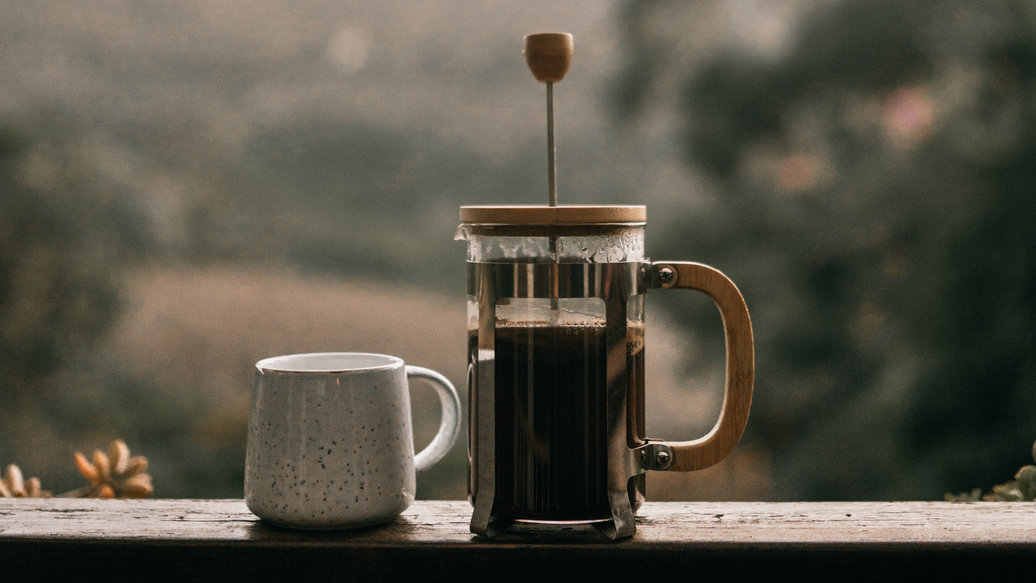
French press coffee keeps the grounds in contact with the water until you press and pour. Use a coarse grind and pour the coffee out of the press after brewing so it does not continue sitting on the grounds. If you want a smoother or stronger cup, change the amount of coffee slightly and keep the rest of your process consistent.
Need help matching the grind to your brewer? Read our coffee grind size guide.
How Much Coffee Do You Need for a Full Pot?
For a larger batch, multiply the water weight by your preferred ratio. At 1:16, divide the grams of water by 16 to find the grams of coffee:
Water in grams ÷ 16 = coffee in grams
For example, 960 grams of water ÷ 16 = 60 grams of coffee. That gives you a repeatable recipe for your brewer. If you are measuring in ounces, approximately 32 fluid ounces of water pairs with 59 grams of coffee at 1:16.
The finished amount will be smaller than the water you poured in. If you need enough coffee to fill several large mugs, account for water left in the grounds when choosing your batch size. Also check your machine’s maximum fill line before brewing.
Why Does Coffee Still Taste Weak or Bitter When the Ratio Is Right?
The ratio controls how much coffee you use, but it is only one part of the brew. Grind size, brewing time, water, and freshness can change the result.
-
Weak or thin: Try a little more coffee. If that does not help, check whether your grind is too coarse for the brewing method.
-
Overly strong: Use a little less coffee while keeping the water amount the same.
-
Sour: The coffee may need a finer grind or more brewing time.
-
Bitter: Check whether the grind is too fine or the coffee has brewed too long before changing the dose.
Adjust one variable at a time so you can tell what improved the cup. For more troubleshooting, see why coffee tastes bitter.
Find the Ratio You Like and Keep It
There is no single perfect coffee-to-water ratio for every bean, brewer, or person. Start at 1:16 for drip or pour-over and 1:15 for French press, then make small changes based on what you taste. Write down the recipe when you find one you enjoy.
Whether you prefer the convenience of ground coffee or want to grind whole bean coffee for each brew, a consistent measurement helps you get more from every bag.