
Before coffee reaches your morning mug, it completes a carefully managed journey that can span thousands of miles. Coffee cherries must be harvested, processed, dried, sorted, exported, roasted, and brewed, with each stage influencing the flavor and quality of the final cup.
The coffee harvesting process is particularly important in specialty coffee. From choosing ripe cherries to selecting the right processing and roasting methods, thoughtful decisions throughout the supply chain help preserve the coffee’s natural sweetness, acidity, aroma, and regional character.
Here is what happens to coffee after it is harvested and how it travels from the farm to your cup.

How Is Coffee Harvested?
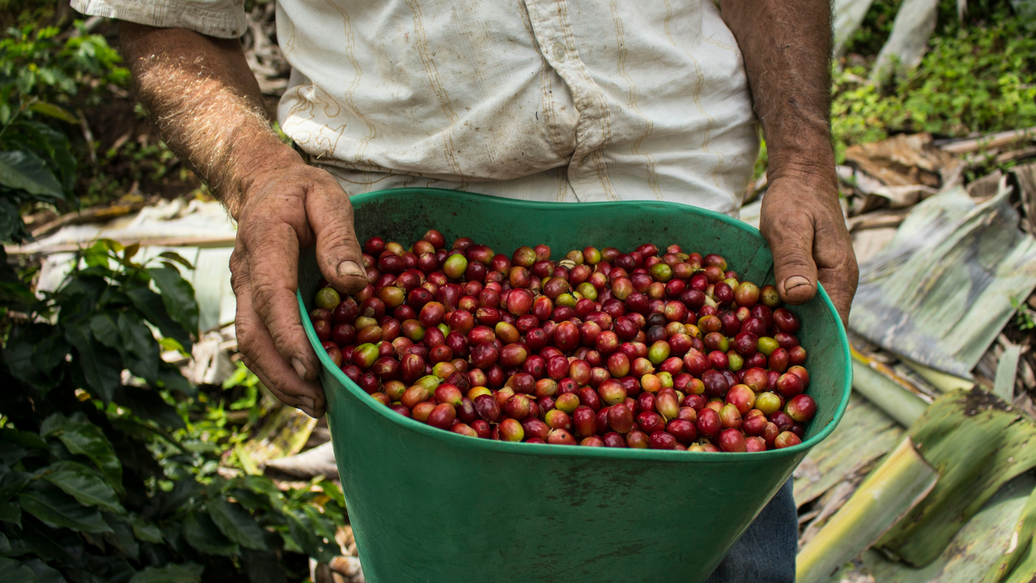
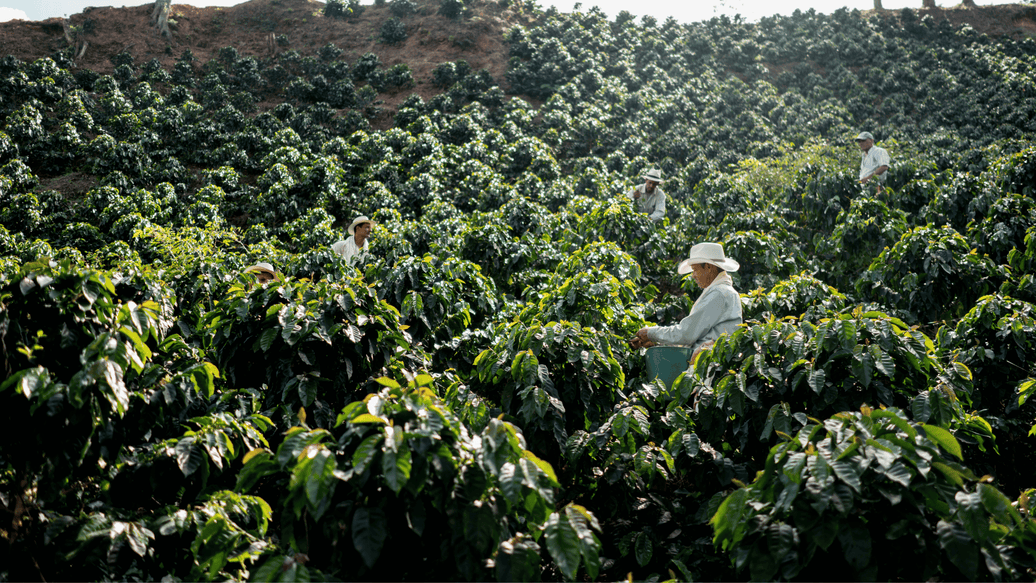
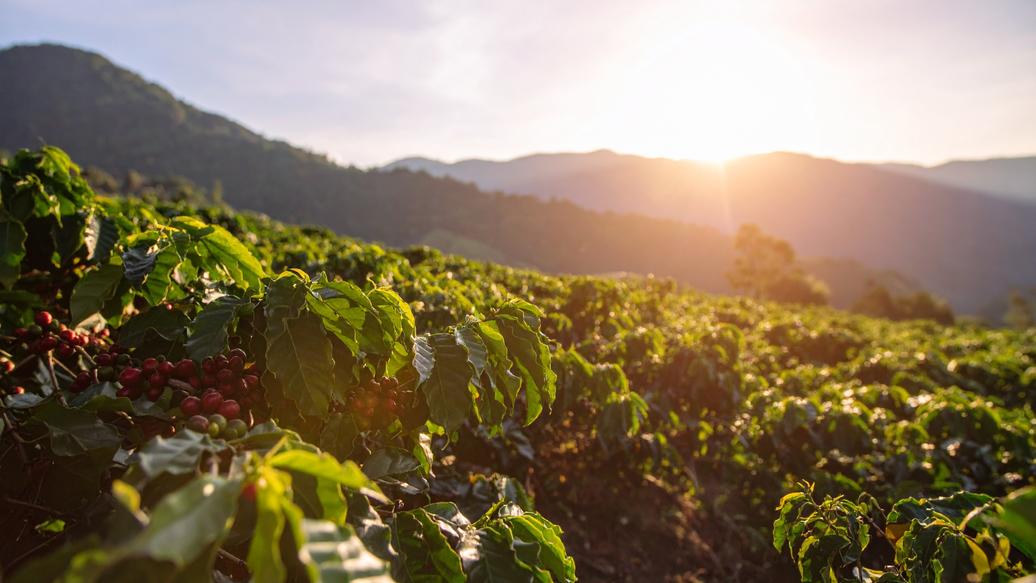
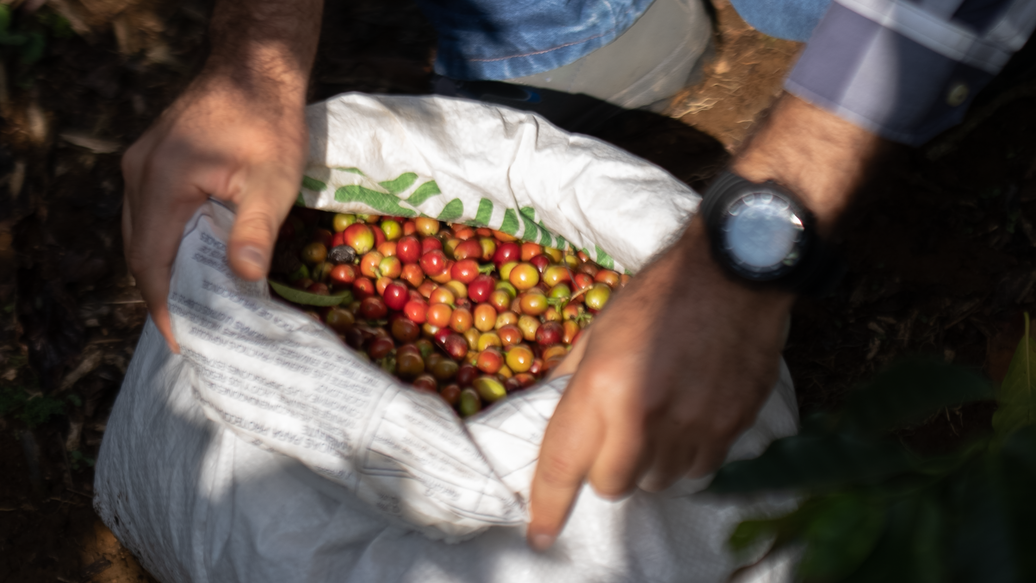
Coffee begins as a fruit that grows on a flowering coffee plant. The fruit is commonly called a coffee cherry because of its small, round shape and red color when ripe. Inside each cherry are usually two seeds, which eventually become the coffee beans we roast and brew.
Coffee cherries do not always ripen at the same time. Depending on the farm, region, terrain, and desired quality, producers may harvest coffee by hand or with machinery.
Selective Hand-Picking
With selective hand-picking, workers return to the same coffee plants multiple times and harvest only the cherries that have reached the desired level of ripeness.
This method requires more time and labor, but it allows producers to separate ripe cherries from underripe or overripe fruit. Because ripeness influences sugar development and flavor, selective picking is often associated with specialty coffee production.
Strip Picking
Strip picking involves removing all or most of the cherries from a branch at once. It may be done by hand or with mechanical equipment.
This approach is more efficient, especially on larger farms or flatter terrain. However, the harvested cherries may need additional sorting to remove underripe, overripe, or damaged fruit.
Mechanical Harvesting
On farms with suitable terrain, machines can shake or strip coffee cherries from the plants. Mechanical harvesting helps producers collect coffee efficiently across large areas.
After harvesting, the cherries are sorted to remove leaves, branches, unripe fruit, and other unwanted material before processing begins.
What Happens Immediately After Coffee Is Harvested?
Coffee cherries should be processed soon after harvesting. Delays can lead to uncontrolled fermentation, mold, or other defects that negatively affect the final flavor.
The first steps typically include:
- Weighing the harvested coffee cherries
- Removing leaves, sticks, and debris
- Sorting the cherries by ripeness, density, or quality
- Delivering the cherries to a wet mill or processing station
- Beginning the selected processing method
At this stage, producers must decide how to remove the fruit surrounding the coffee seeds. This is one of the most influential decisions in the entire coffee production process.
How Is Coffee Processed?
Coffee processing is the method used to separate the coffee seeds from the surrounding fruit and prepare them for drying. The two most common methods are washed and natural processing.
Each method affects fermentation, sweetness, acidity, body, and fruit character differently.
Washed Coffee Process
In the washed process, the skin and most of the fruit are removed from the coffee seeds shortly after harvesting.
The coffee typically goes through the following steps:
- Ripe cherries are sorted and cleaned.
- A depulping machine removes the outer skin and fruit.
- The coffee seeds ferment in tanks or controlled environments to loosen the remaining mucilage.
- The seeds are washed with water.
- The washed coffee is dried to a stable moisture level.
Washed coffees are often known for their clean, bright, and clearly defined flavors. Because much of the fruit is removed before drying, the final cup may highlight the coffee variety, growing conditions, and regional characteristics more directly.
Natural Coffee Process
The natural process, also called the dry process, dries the coffee seeds while they are still inside the whole cherry.
After harvesting and sorting, the cherries are spread across raised beds, patios, or other drying surfaces. They must be turned regularly to encourage even drying and reduce the risk of unwanted fermentation or mold.
Once the cherries are fully dried, the outer fruit is removed mechanically.
Natural coffees often have:
- Pronounced fruit flavors
- Greater perceived sweetness
- A fuller body
- More intense or fermented flavor notes
When managed carefully, natural processing can produce complex coffees with berry, tropical fruit, jam, or wine-like characteristics.
How Is Coffee Dried?
After processing, coffee must be dried until it reaches a stable moisture level suitable for storage and export. Drying too quickly, too slowly, or unevenly can reduce quality and create defects.
Coffee may be dried on:
- Raised drying beds
- Concrete patios
- Drying tables
- Mechanical dryers
- A combination of sun drying and mechanical drying
During sun drying, workers regularly turn the coffee to promote airflow and prevent moisture from collecting in one area. Producers also monitor temperature, weather conditions, and moisture levels throughout the process.
Proper drying helps protect the coffee’s flavor and stability as it moves through the supply chain.
What Is Green Coffee?
Once coffee has been processed and dried, it is still not ready to brew. At this stage, the seeds are known as green coffee beans.
Before export, the dried coffee usually goes through dry milling. Depending on the processing method, milling removes the parchment layer or dried fruit surrounding the beans.
The green coffee is then sorted and graded based on factors such as:
- Bean size
- Density
- Color
- Moisture
- Physical defects
- Cup quality
Sorting may be completed by hand, with screens, or through specialized equipment. Removing damaged or defective beans helps create a more consistent roast and a better-tasting cup.
How Is Coffee Quality Evaluated?
Coffee professionals evaluate green coffee through a process called cupping. Cupping is a standardized tasting method used to assess a coffee’s fragrance, aroma, flavor, acidity, sweetness, body, balance, and finish.
Roasters may cup several samples before purchasing a coffee. They may also evaluate samples before shipment, after arrival, and during the roasting process to make sure the coffee meets their quality expectations.
This evaluation plays an important role in specialty coffee sourcing. It helps roasters understand each coffee’s flavor potential and determine how it may fit into a single-origin offering or blend.
How Is Green Coffee Exported?
After milling, grading, and quality evaluation, green coffee is packed for transportation. It may travel from the farm or processing mill to a warehouse, port, importer, or directly to a roaster, depending on the supply chain.
Green coffee is commonly shipped in traditional coffee sacks with an inner protective liner or in sealed bags designed to help control exposure to moisture and air.
Maintaining the right storage and shipping conditions is essential. Excess heat, humidity, moisture, and odors can damage green coffee or cause it to lose quality before it reaches the roastery.
What Happens When Coffee Reaches the Roastery?
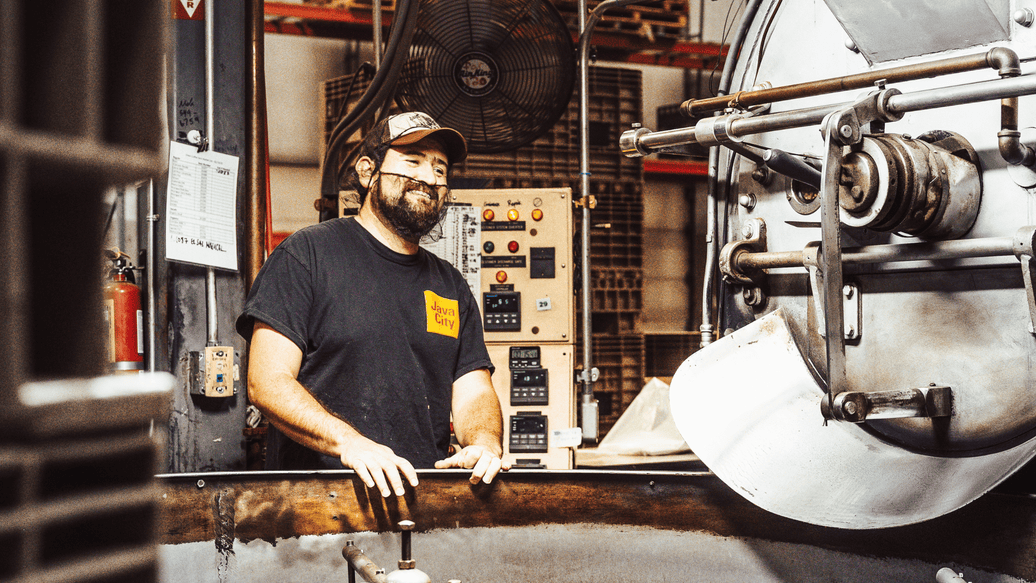
When green coffee arrives at the roastery, the roasting team may inspect and cup it again. This helps confirm its condition after transportation and gives the roaster another opportunity to evaluate its flavor.
Next, the team develops a roast profile based on the coffee’s:
- Origin
- Variety
- Density
- Moisture level
- Processing method
- Intended brewing method
- Desired flavor profile
A roast profile is a plan for how heat will be applied throughout the roasting process. Even small changes in time, temperature, and airflow can influence sweetness, acidity, body, and aroma.
How Does Roasting Change Coffee?
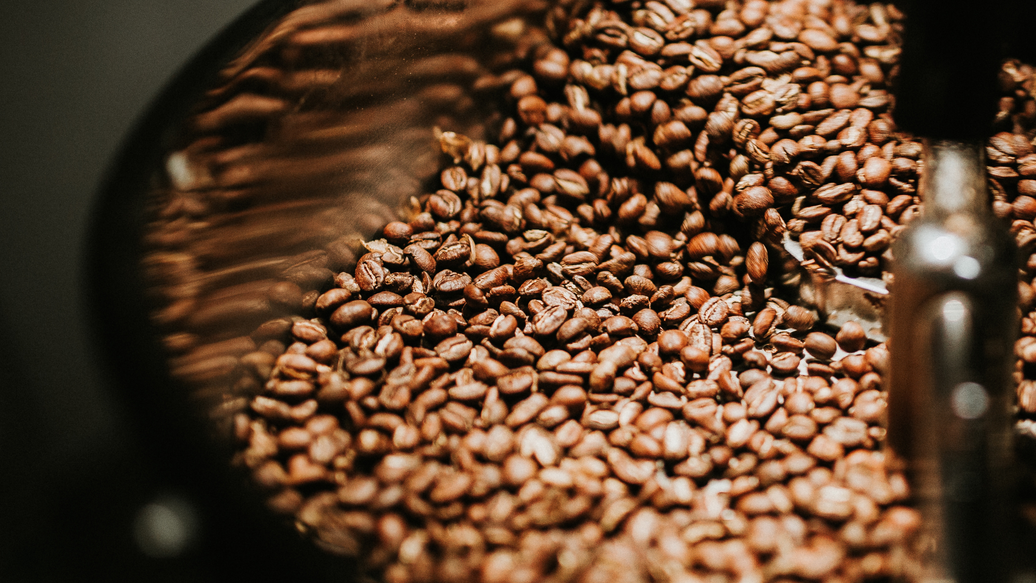
Green coffee has a mild, grassy aroma and does not taste like the coffee served in cafés or brewed at home. Roasting transforms the beans through a series of physical and chemical reactions.
As the beans absorb heat, they lose moisture, change color, expand, and develop hundreds of aromatic compounds. The natural sugars and amino acids in the beans react to create the familiar flavors and aromas associated with roasted coffee.
Lighter roasts may preserve more of a coffee’s bright acidity, floral notes, and origin characteristics. Medium roasts often balance acidity, sweetness, and body. Darker roasts may create deeper notes of chocolate, caramelization, smoke, and toasted spice.
The goal is not simply to make coffee darker. Skilled roasting helps reveal the flavors already present in the green coffee while creating balance and consistency.
What Happens After Coffee Is Roasted?
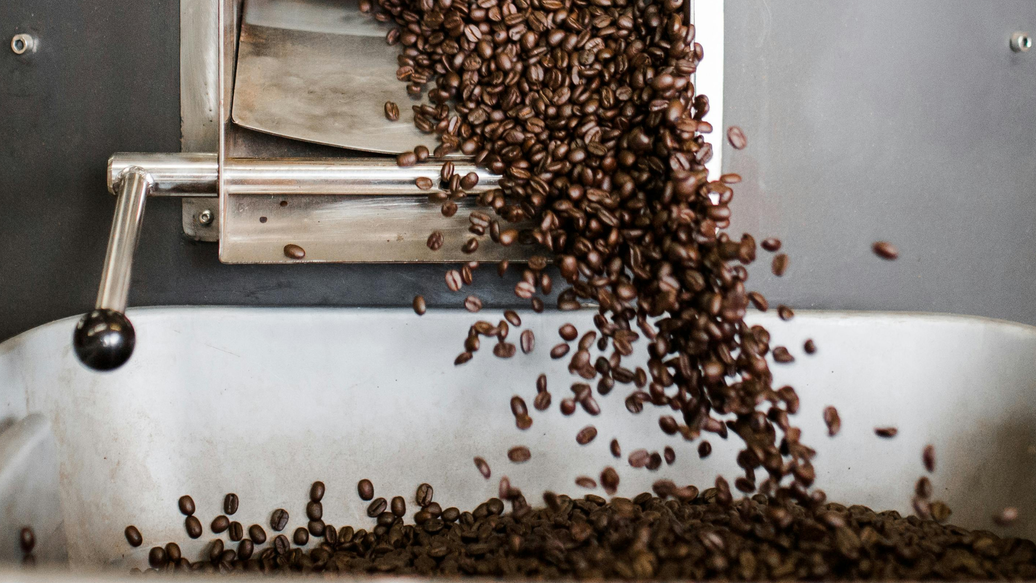
After roasting, coffee beans are cooled quickly to stop the roasting process. The beans then release carbon dioxide in a process known as degassing.
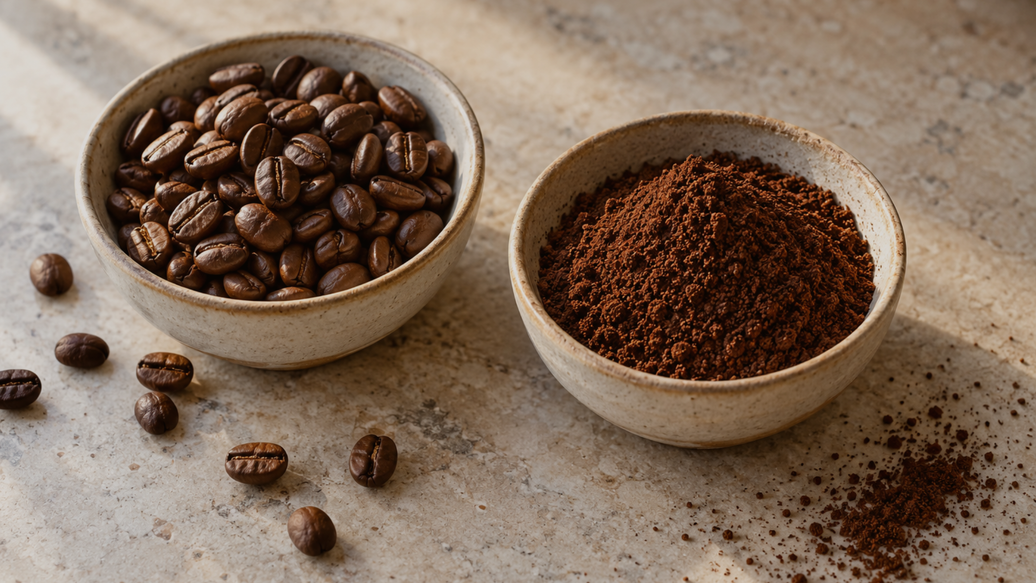
Freshly roasted coffee may be packaged as whole beans or ground for a particular brewing method. Packaging with a one-way valve allows carbon dioxide to escape while helping protect the coffee from oxygen.
From there, the coffee may be shipped to homes, grocery stores, offices, restaurants, universities, hotels, cafés, or other foodservice locations.
How Does Brewing Complete the Farm-to-Cup Journey?
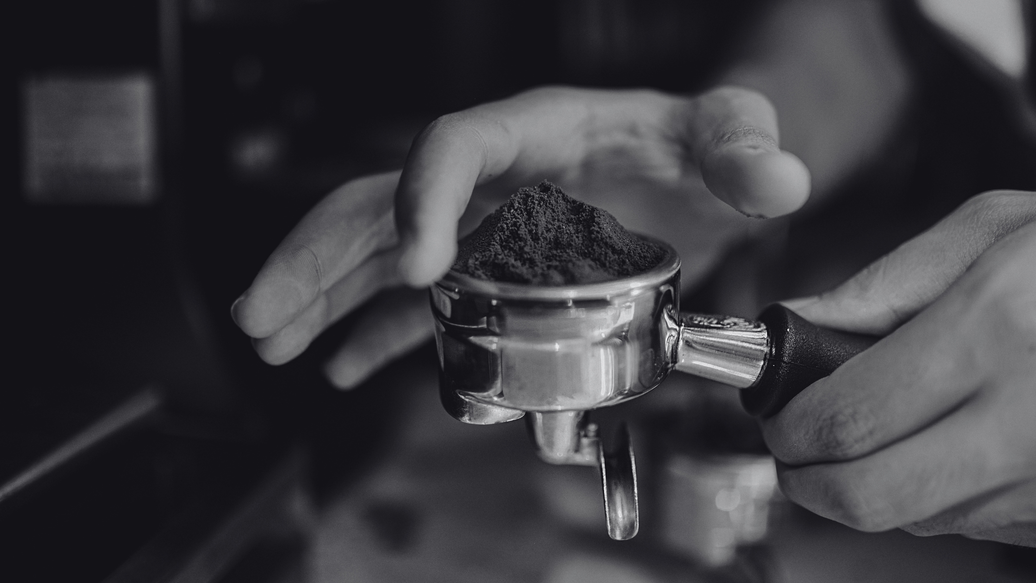
Brewing is the final stage of the coffee farm-to-cup journey. Even carefully harvested, processed, and roasted coffee can taste unbalanced if it is brewed with the wrong grind size, water temperature, coffee-to-water ratio, or extraction time.
For better results:
- Use fresh, properly stored coffee.
- Match the grind size to the brewing method.
- Measure both coffee and water.
- Use clean, fresh water.
- Keep brewing equipment clean.
- Follow a consistent recipe.
Every earlier step creates the coffee’s flavor potential. Brewing determines how much of that potential reaches the cup.
Why Farmer Relationships Matter in Specialty Coffee
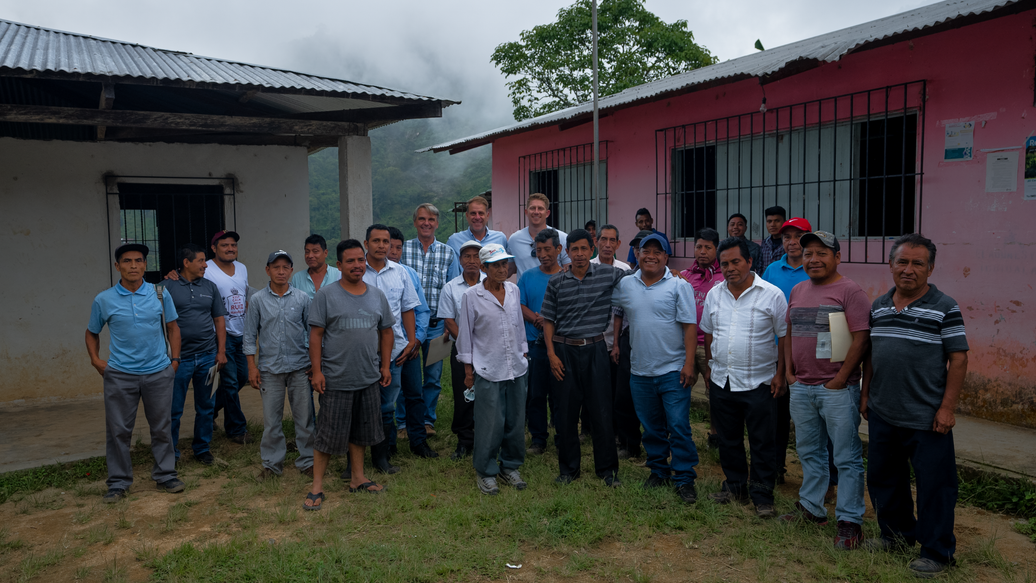
High-quality coffee begins with the people who grow and process it. Coffee farmers make important decisions about plant health, harvesting, fermentation, drying, and storage long before a roaster receives the green coffee.
Strong relationships across the supply chain can help roasters better understand where coffee comes from, how it was produced, and what makes it unique. They can also encourage communication, consistency, and long-term improvements in quality.
At Java City, we believe coffee should be connected to the people and places behind it. Thoughtful sourcing and farmer relationships help us deliver coffee with quality, character, and a story that extends far beyond the cup.
From Coffee Farm to Cup, Every Step Matters
The journey from harvested coffee cherry to roasted bean involves far more than most coffee drinkers ever see. Coffee must be picked at the right time, processed carefully, dried evenly, sorted for quality, transported under suitable conditions, and roasted with precision.
Each decision shapes the final flavor.
Understanding how coffee is processed makes it easier to appreciate the work behind every cup. It also shows why specialty coffee is not simply a finished product. It is the result of collaboration between farmers, processors, exporters, importers, roasters, baristas, and coffee drinkers around the world.
Frequently Asked Questions About Coffee Production
What happens to coffee after it is picked?
After coffee cherries are picked, they are sorted and processed using a washed, natural, honey, or other processing method. The coffee is then dried, milled, graded, exported, roasted, and prepared for brewing.
How long does coffee take to go from farm to cup?
The timeline varies by origin, processing method, drying conditions, shipping route, and roastery. It can take several months for coffee to travel from harvest to the consumer.
Are coffee beans actually beans?
Coffee beans are seeds found inside the fruit of the coffee plant. They are called beans because their appearance resembles traditional beans.
What is the most common coffee processing method?
Washed and natural processing are both widely used around the world. The most common method varies by region based on climate, water access, infrastructure, tradition, and producer preferences.
Which coffee processing method tastes best?
No single method is always best. Washed coffees are often clean and bright, natural coffees can be fruity and full-bodied, and honey coffees frequently combine sweetness with clarity. Quality depends on how carefully the method is managed and the flavor profile the drinker prefers.
Why is coffee dried before roasting?
Drying reduces moisture and makes green coffee stable enough for storage and transportation. Proper drying also helps protect quality and lowers the risk of mold, spoilage, and uneven roasting.
What is specialty coffee sourcing?
Specialty coffee sourcing is the process of selecting high-quality coffees based on factors such as origin, growing conditions, processing, physical quality, cup profile, traceability, and producer relationships.