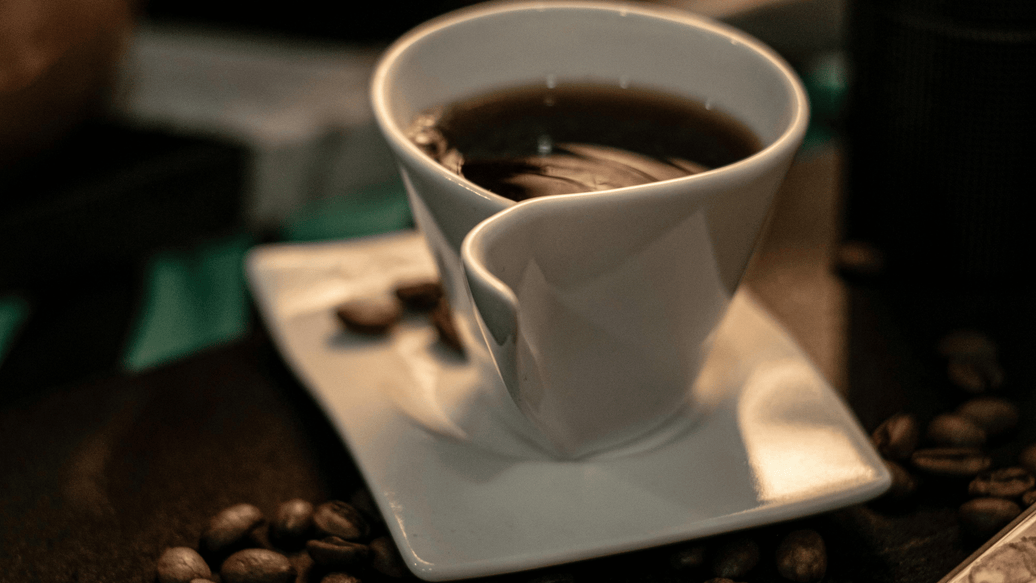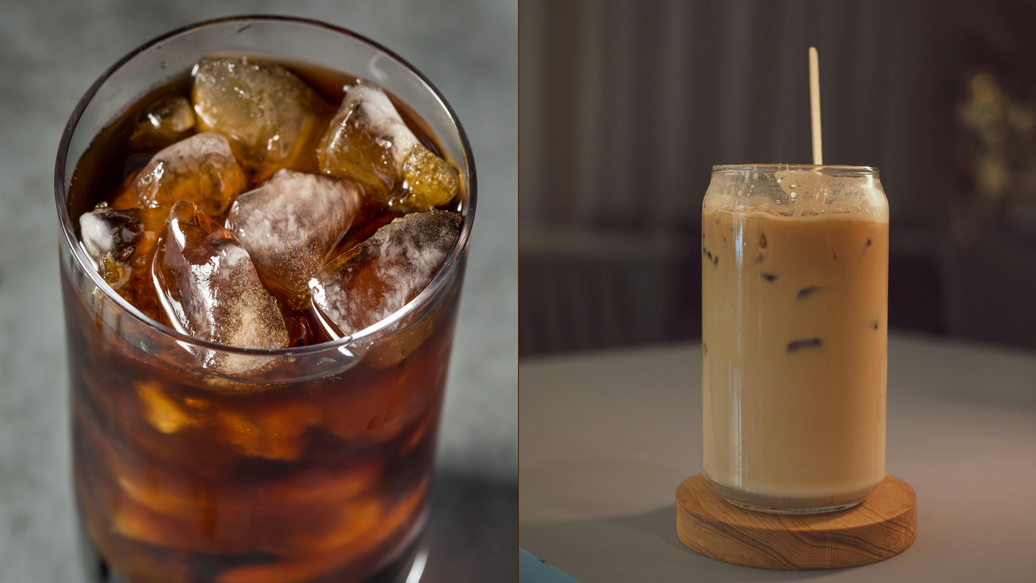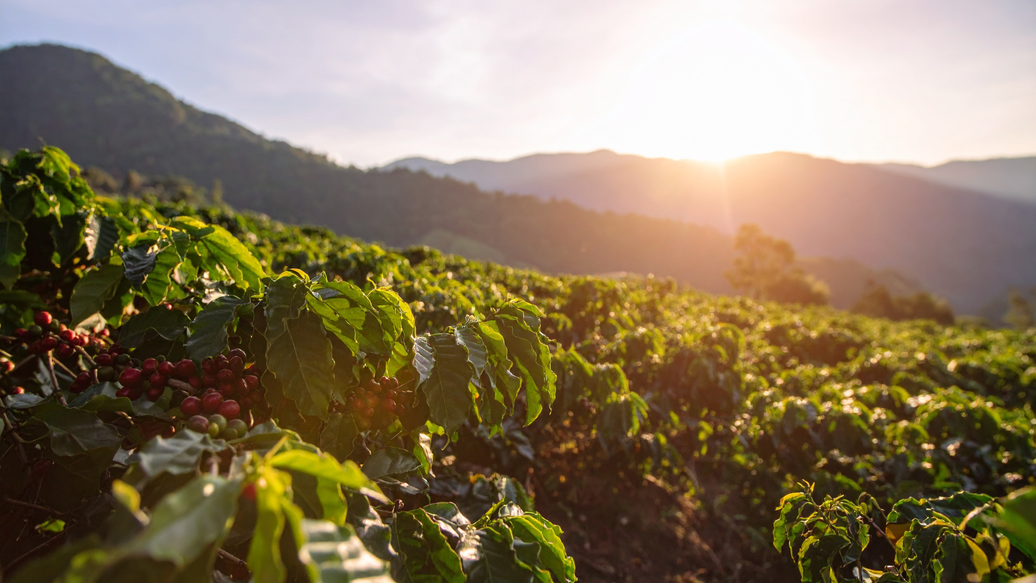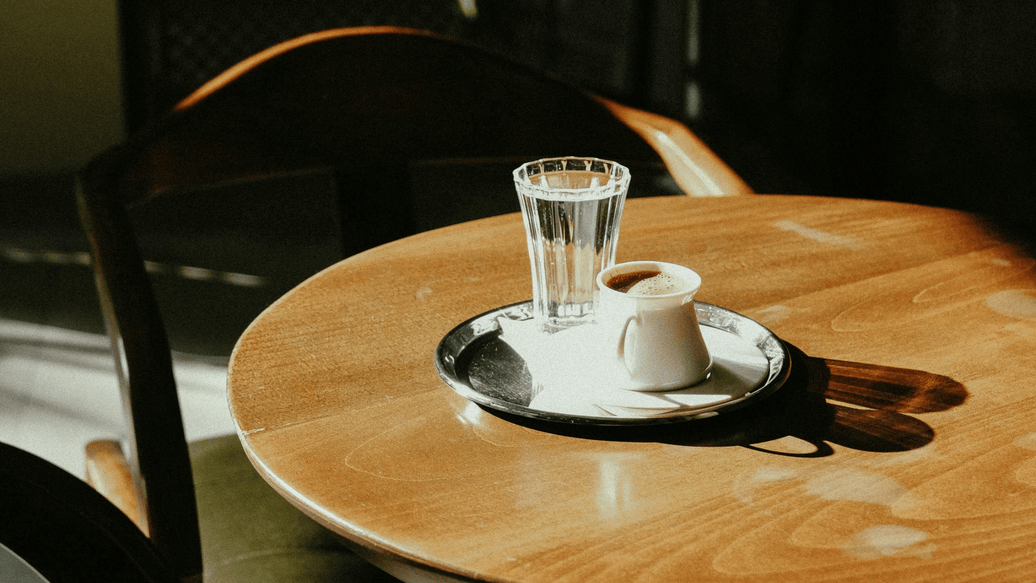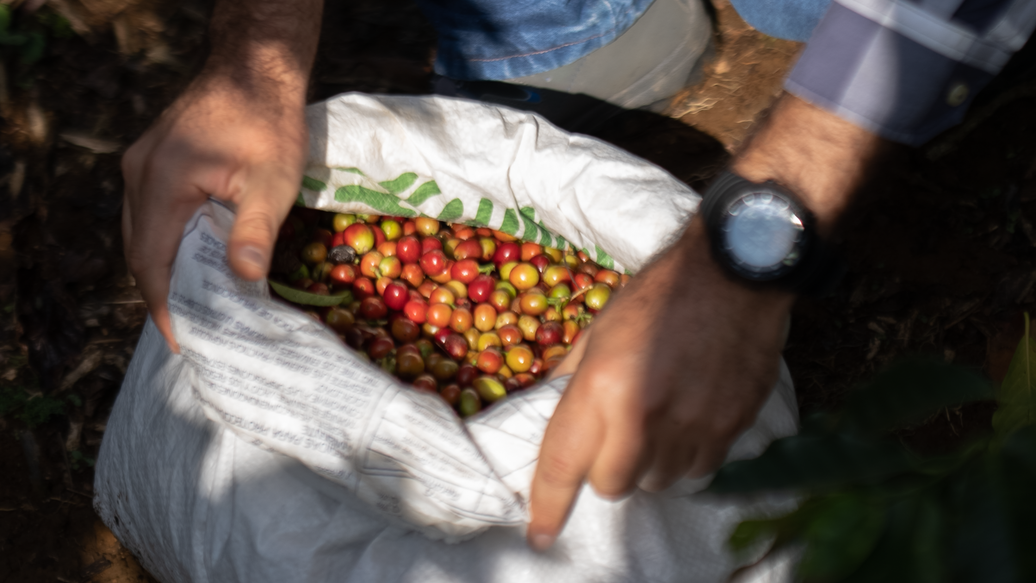

A coffee blend is a combination of two or more coffees chosen to create a particular flavor profile. A Sacramento coffee roaster might pair a coffee with chocolate notes and a full body with one that brings brightness or sweetness. The result is a cup with its own character, built from what each coffee contributes.
If you have ever found a blend you love and bought it again because you knew how it would taste, that consistency is part of the craft. Here is how coffee blending works, what it changes in the cup, and how to decide between a blend and a single-origin coffee.

What Does “Coffee Blend” Mean?
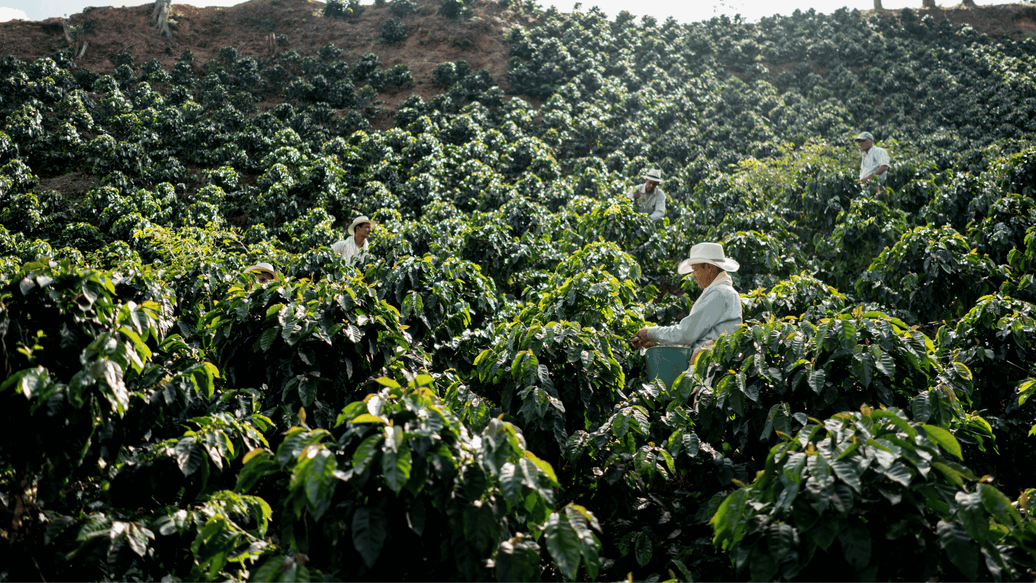
The meaning of a coffee blend is straightforward: it is coffee made by combining beans from two or more lots. Those lots may come from different farms, regions, or countries. Roasters can also combine coffees from one origin that have been roasted differently.
Each component has a purpose. One coffee might provide a rich base, while another adds a lively finish. The goal is to make the finished blend taste cohesive, so you notice the whole cup rather than a collection of separate flavors.
“Blended coffee” does not necessarily mean flavored coffee. A blend describes how the coffee beans were selected and combined. Flavor notes such as chocolate, caramel, or citrus can come from the coffee itself, without added flavoring.
Why Do Roasters Blend Coffee Beans?
-
To build a balanced cup
Coffee has several qualities that shape how it tastes and feels. Blending gives roasters a way to bring those qualities together.
-
Body is the coffee’s weight or texture in your mouth. A fuller-bodied coffee can give a blend a rich, satisfying base.
-
Acidity is the brightness that can make a cup taste lively. It does not automatically mean the coffee tastes sour.
-
Sweetness can soften sharper edges and bring out notes such as caramel, chocolate, or fruit.
-
Finish is the flavor that lingers after a sip.
Balance does not mean every blend tastes mild. A bold blend can still have enough sweetness to round out its intensity. A bright blend can still have the body to feel complete.
-
To create a flavor people can return to
Coffee is an agricultural product. Harvests and growing conditions change, so a particular coffee lot may taste a little different from year to year. Roasters can adjust the components of a blend to keep its intended flavor profile recognizable over time.
That matters when a café wants its house coffee to taste familiar to regulars, or when you want the bag you brew at home to deliver the cup you enjoyed last time. Consistency takes careful tasting and adjustments, not simply mixing beans together.
-
To make coffee suited to a brewing style
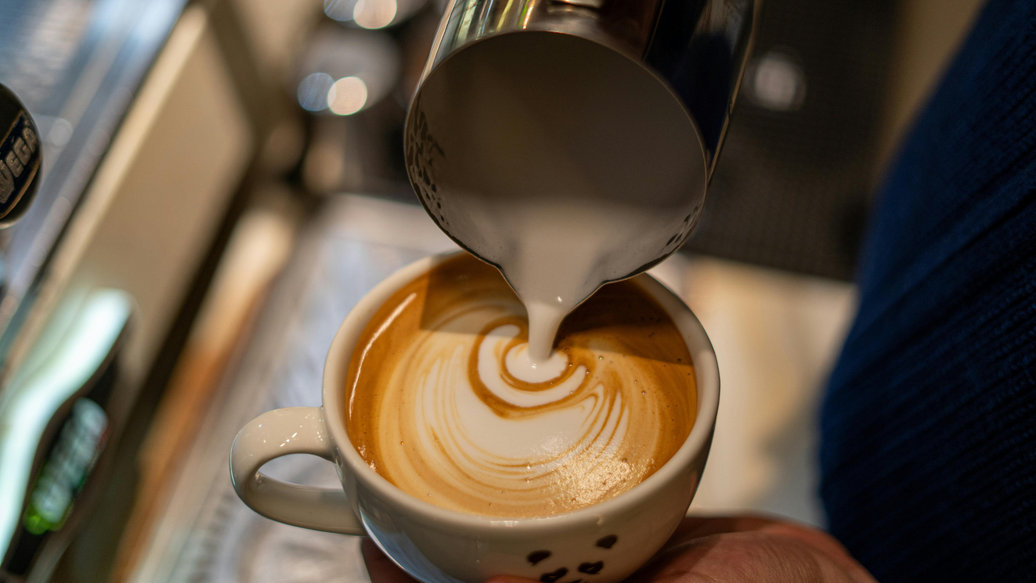
Additionally, a blend can be designed with a particular drink in mind. An espresso blend, for example, may need enough body and sweetness to taste good as a concentrated shot and remain noticeable in a latte.
For example, Java City’s Espresso Tempo is blended to complement milk-based beverages, with a smooth body and bright finish. A coffee chosen for daily drip brewing may aim for a different experience, such as an approachable cup that tastes good throughout the morning.
How Are Coffee Blends Made?
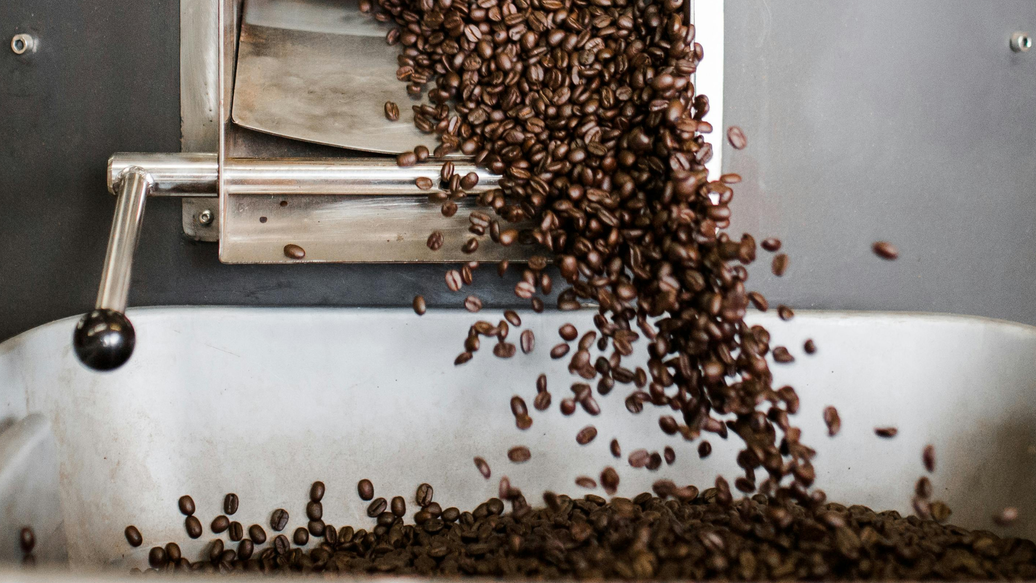
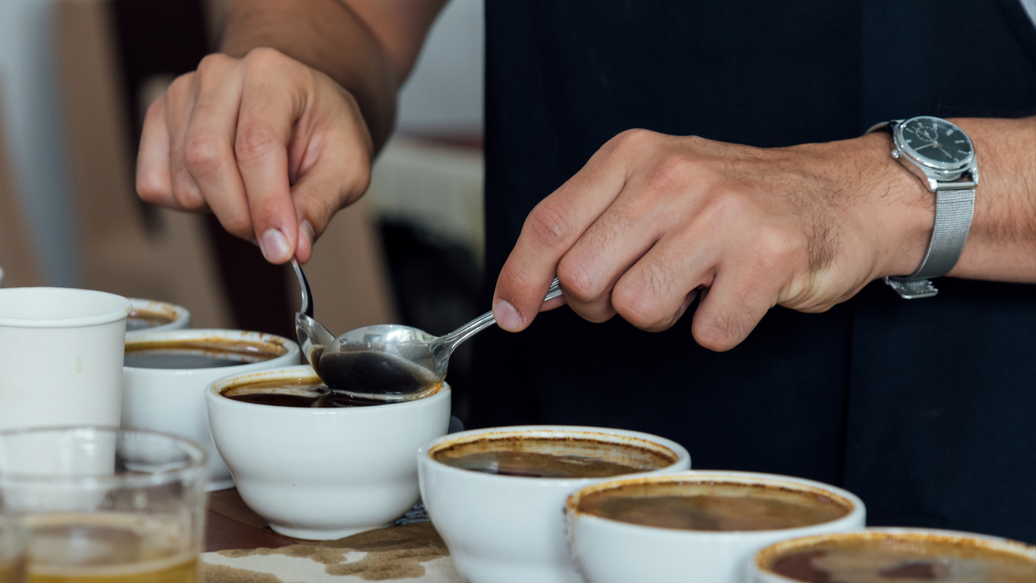
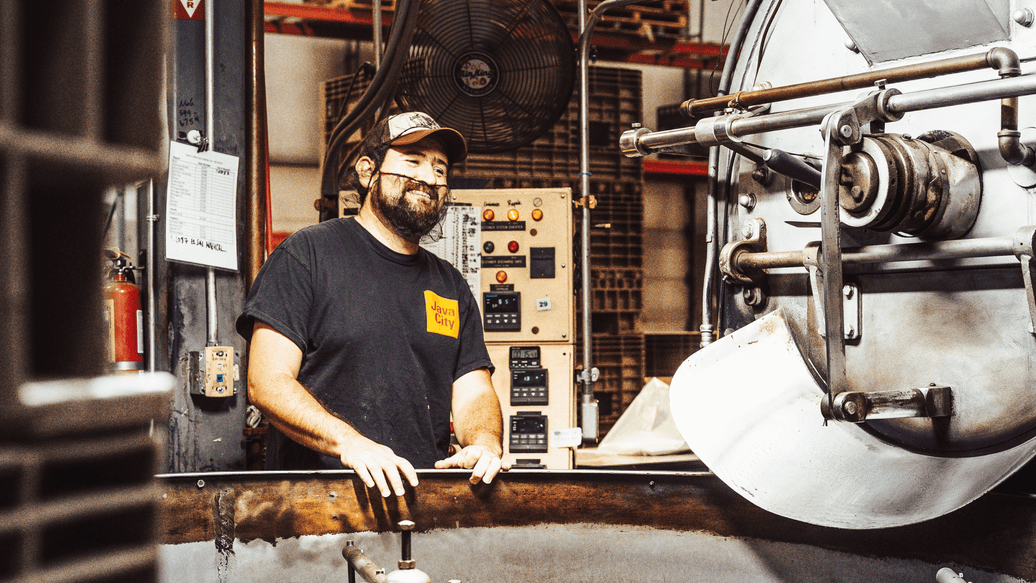
At Java City, our Head Roaster, Julio, starts by tasting individual coffees and identifying what each one could contribute. From there, he’ll test different combinations and proportions, brew the results, and refine the recipe until the flavors work together.
The proportions matter. A small change in a brighter component could make a blend feel more lively, while more of a fuller-bodied coffee could make it taste richer. Roast level and brewing method also affect the final cup.
That is why two bags labeled coffee blend can taste completely different. “Blend” tells you that coffees were combined, but the tasting notes tell you much more about what you can expect.
Coffee Blend vs. Single-Origin Coffee: What Is the Difference?
A single-origin coffee comes from just one identifiable place, such as a farm, coffee cooperative, or growing region. A coffee blend combines distinct coffee lots to create a chosen flavor profile.
|
Coffee blend |
Single-origin coffee |
|
|
Main appeal |
A flavor profile built from complementary coffees |
The character of one particular origin |
|
Typical experience |
Often designed for balance and consistency |
Often chosen to explore distinctive flavors |
|
Flavor over time |
Components may be adjusted to maintain the intended profile |
Flavor may shift as harvests change |
|
Best choice if you… |
Want a dependable daily coffee or a specific drink style |
Enjoy tasting how growing location shapes coffee |
Neither category tells you whether a coffee will be light, dark, bold, or delicate. You can find a bright blend and a chocolatey single-origin coffee. The difference is how the coffee was sourced and composed.
If you want to explore what growing location contributes to the cup, read our guide to why coffee origin matters.
Which Java City Blend Should You Try?
The best coffee blends are the ones that suit your taste and the way you brew. These three Java City options show how different a blend can be:
-
For a rich daily cup: Midtown Blend is Java City’s signature coffee, with a smoky aroma, full body, lingering finish, and subtle caramel sweetness.
-
For deep chocolate notes: 40th Anniversary Blend has a smooth, rich body and a lingering, syrupy sweetness. It is a special release, so check its current availability.
-
For lattes and cappuccinos: Espresso Valeroso is designed to work especially well with milk-based drinks.
Still deciding? Our guide to choosing the right coffee blend can help you narrow down your preferences by flavor, roast, and routine.
Frequently Asked Questions About Coffee Blends
Is blended coffee lower quality than single-origin coffee?
No. A blend can be made from carefully selected, high-quality coffees. Its quality depends on the beans, roasting, freshness, and how well the components work together, not on whether they come from one place or several.
Does a coffee blend always contain beans from different countries?
No. A roaster may combine coffees from different countries, farms, or lots within the same region. They may also blend coffees from one origin that have different roast profiles.
Are coffee blends always dark roasts?
No. Blend describes the combination of coffees; roast level describes how those coffees were roasted. Blends can be light, medium, or dark.
Can you use a coffee blend for espresso and drip coffee?
Often, yes. Espresso blends are designed with espresso in mind, but many can also be brewed as drip coffee. Likewise, a coffee sold for drip brewing can be used for espresso if you enjoy the result. The grind size and recipe will need to suit your brewing method.
Find a Blend That Fits Your Cup
A good coffee blend has a clear purpose. It might bring together body, brightness, and sweetness for a balanced morning brew, or deliver the depth that makes an espresso drink taste complete. Once you know which qualities you enjoy, choosing your next bag gets much easier.
Explore Java City’s coffee collection to find a blend that fits the way you like to brew.