
If your morning coffee tastes more bitter than smooth, you do not necessarily need to switch coffee altogether. Bitter coffee is often caused by how the coffee is ground, measured, brewed, or stored. Water temperature and bean quality can make a difference too.
So, why does coffee taste bitter? The most common reason is over-extraction, which happens when water pulls too many bitter-tasting compounds from the coffee grounds. Grinding coffee too fine, brewing it too long, using water that is too hot, or using an incorrect coffee-to-water ratio can all contribute to an overly bitter cup.
The good news is that most causes of bitter coffee are easy to fix.

Why Does Coffee Taste Bitter?
Coffee naturally contains some bitterness, especially darker roasts. A balanced cup, however, should also have sweetness, acidity, aroma, and other flavor characteristics that complement that bitterness.
When bitterness becomes the dominant flavor, something may be off with your brewing method or your coffee.
The most common causes of bitter coffee include:
- Coffee grounds that are too fine
- Brewing for too long
- Water that is too hot
- Using too much coffee
- Over-extraction
- Darker roast profiles
- Stale or low-quality coffee beans
- A dirty coffee maker or brewing equipment
Identifying which factor is affecting your cup can help you make a few small adjustments for noticeably better coffee.
1. Your Coffee Is Over-Extracted
Over-extraction is one of the most common reasons coffee tastes bitter.
Coffee extraction happens when hot water passes through or mixes with ground coffee and dissolves its flavor compounds. The goal is to extract enough of those compounds to create a balanced cup.
When coffee is exposed to water for too long or extracted too aggressively, the resulting brew can become excessively bitter, dry, or astringent.
How to fix over-extracted coffee:
Try shortening your brewing time, using a slightly coarser grind, or adjusting your coffee-to-water ratio. Change one variable at a time so you can identify exactly what improves your cup.
2. Your Coffee Grind Is Too Fine
Grind size has a major impact on coffee flavor.
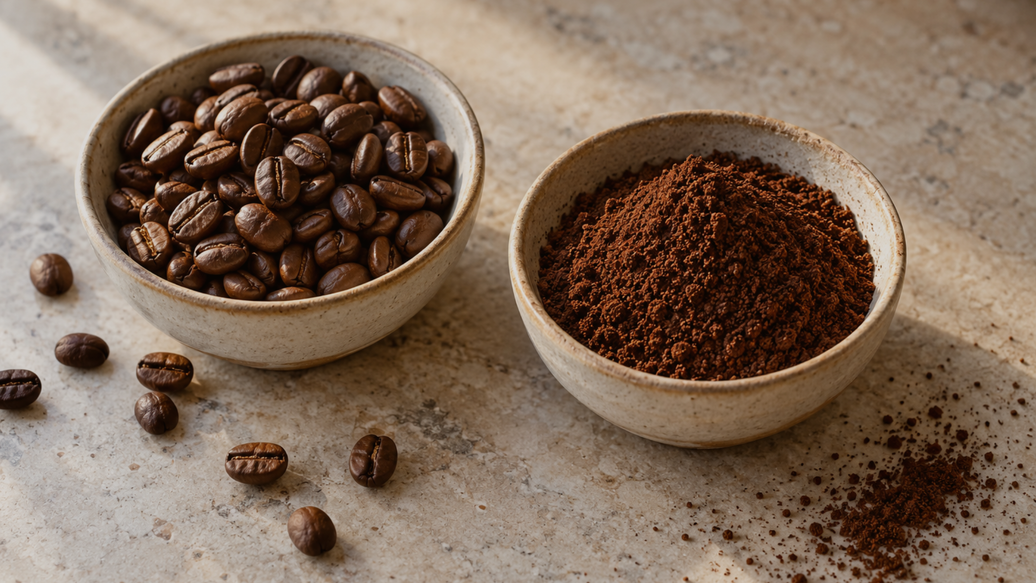
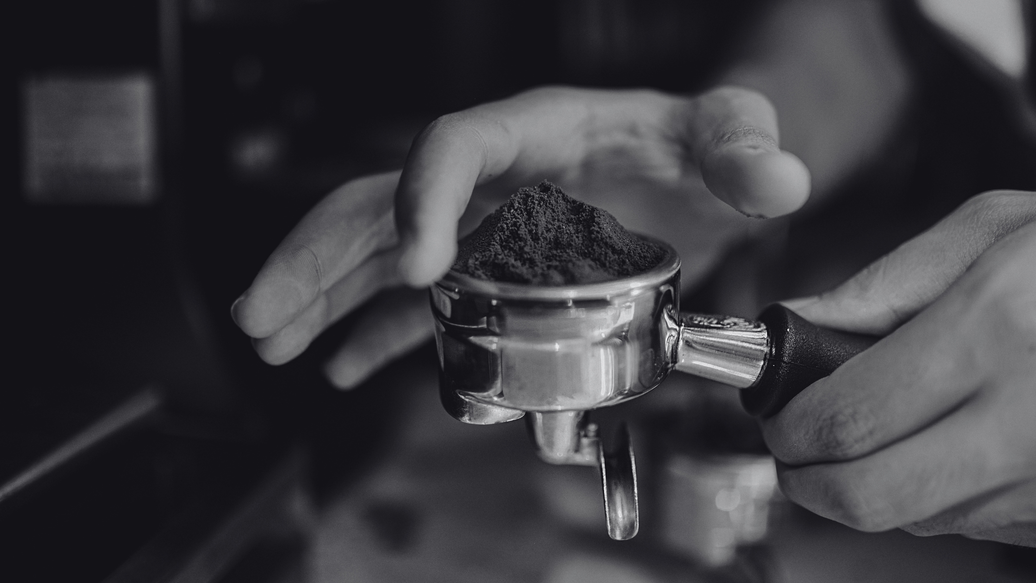
Finely ground coffee has more surface area exposed to water, allowing extraction to happen more quickly. If your grind is too fine for your brewing method, the water may extract too much from the coffee before brewing is complete.
The result can be a bitter or harsh cup.
Different brewing methods require different grind sizes. As a general guideline:
- French press: coarse
- Cold brew: extra coarse to coarse
- Drip coffee maker: medium
- Pour-over: medium to medium-fine
- Espresso: fine
If your coffee tastes bitter, try moving your grinder one or two settings coarser and compare the results. Check out our coffee grind tips on our weekly coffee blog.
3. Your Water Is Too Hot
You need hot water to properly extract coffee, but hotter is not always better.
Excessively hot water can contribute to harsh or bitter flavors. According to the Specialty Coffee Association, an appropriate water temperature for brewing coffee is approximately 195°F to 205°F (92°C to 96°C).
If you are manually brewing coffee, you do not need to pour aggressively boiling water directly over the grounds. Keeping your brewing water within the recommended range can help create a more balanced extraction.
4. You Are Brewing Your Coffee Too Long
Brewing time and extraction go hand in hand.
The longer coffee grounds remain in contact with water, the more compounds the water has an opportunity to extract. Extending the brewing process beyond what your method requires can lead to unwanted bitterness.
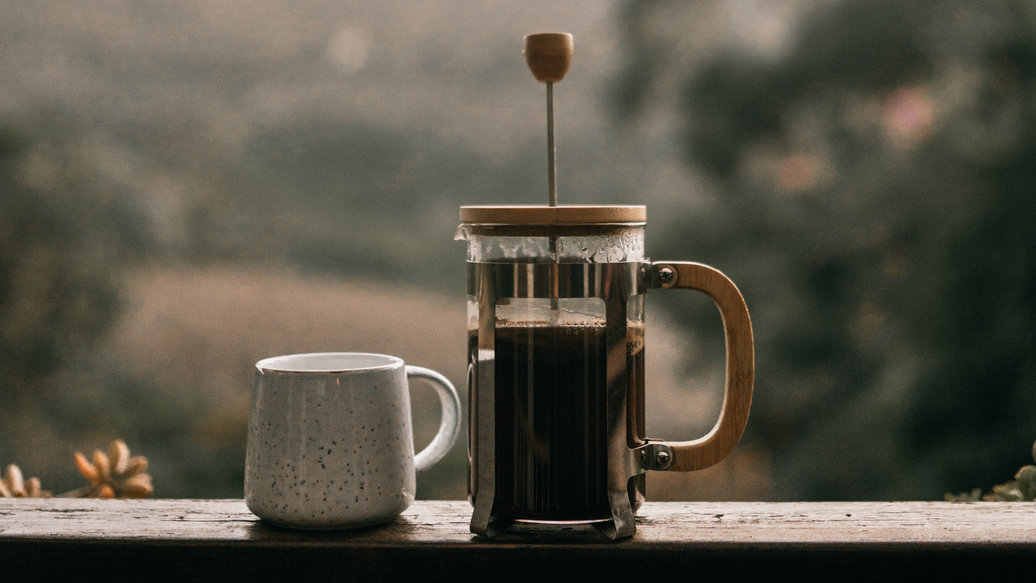
This is especially important with immersion brewing methods such as French press.
If your coffee consistently tastes bitter, experiment with reducing the brew time slightly while keeping the rest of your recipe the same.
5. Your Coffee-to-Water Ratio Is Off
Using more coffee does not automatically create better or stronger-tasting coffee.
An unbalanced coffee-to-water ratio can produce a cup that tastes overly intense, bitter, weak, or otherwise unbalanced.
A common starting point is approximately 1:16, meaning one part coffee to 16 parts water. For example, you could use about 20 grams of coffee for 320 grams of water.
From there, adjust according to your preferred strength and brewing method.
If you frequently struggle with inconsistent coffee, measuring your coffee and water with a kitchen scale can make a surprisingly big difference.
6. Your Coffee Roast May Be Darker Than You Prefer
Sometimes nothing is wrong with your brewing technique. You may simply prefer a different roast profile.
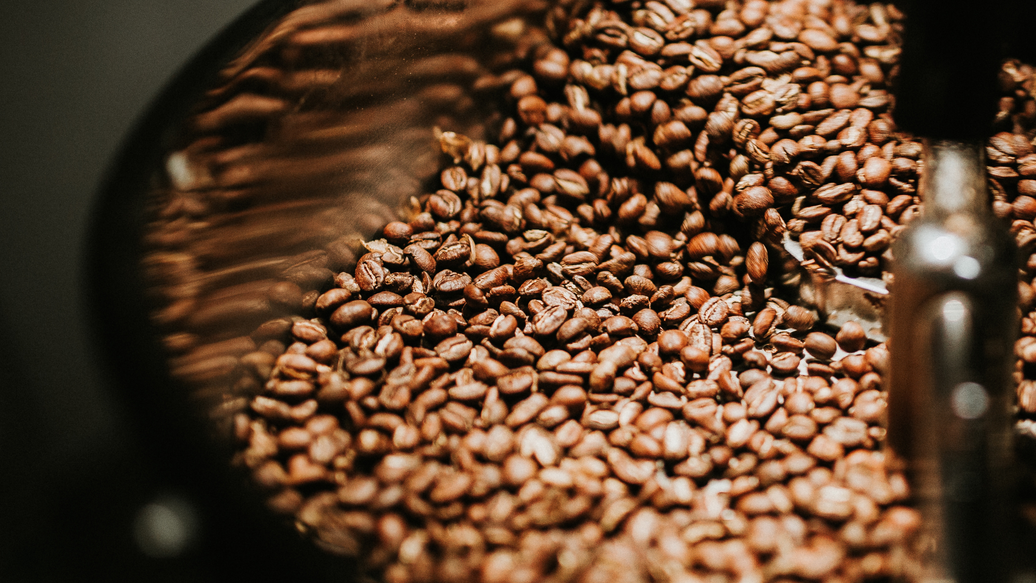
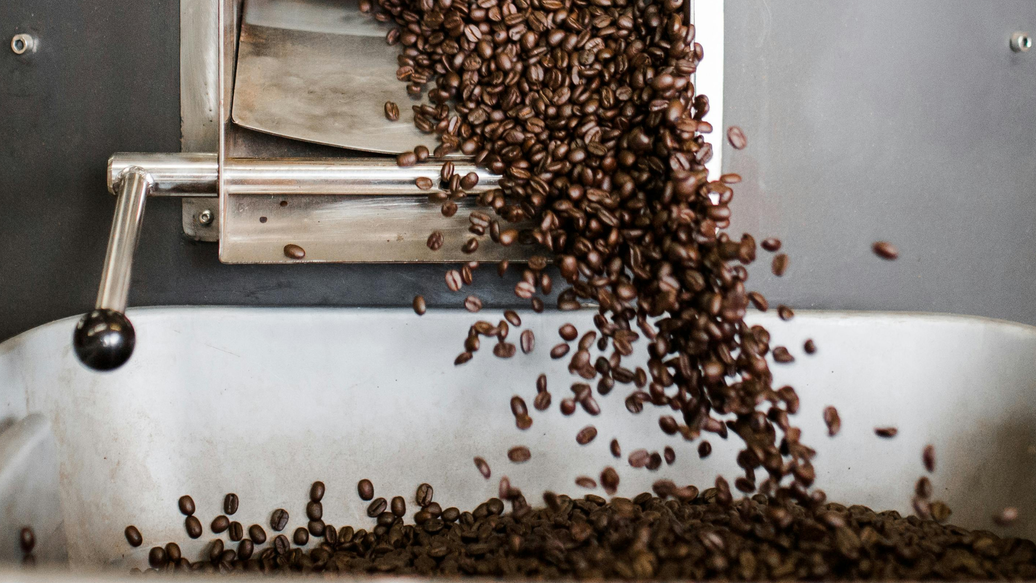
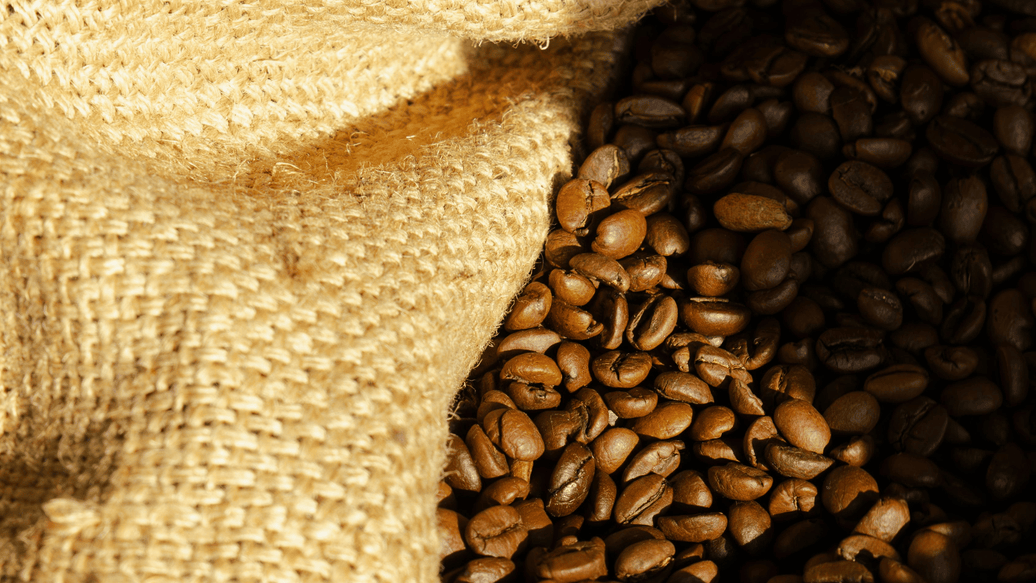
Dark-roasted coffee typically develops more pronounced roasted, smoky, and bittersweet characteristics during the roasting process. Some coffee drinkers love those deep flavors. Others prefer the brighter or more nuanced characteristics commonly found in lighter and medium roasts.
If your coffee tastes burnt or too bitter even after adjusting your brewing method, try a medium or lighter roast.
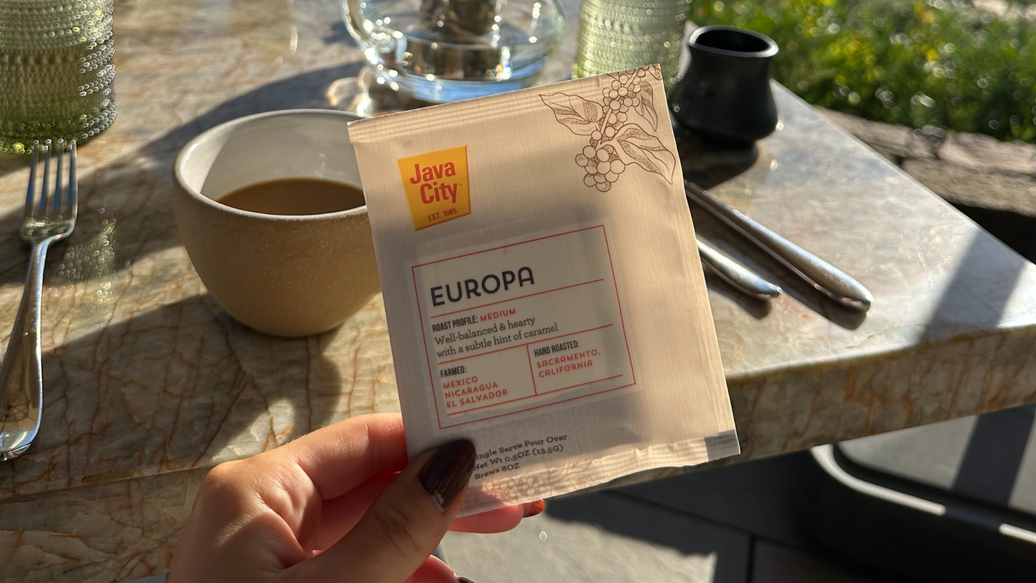
For a smoother everyday cup, look for freshly roasted coffee with tasting notes that naturally lean toward caramel, chocolate, nuts, or subtle sweetness. These characteristics can provide richness without relying entirely on intense roasted flavors.
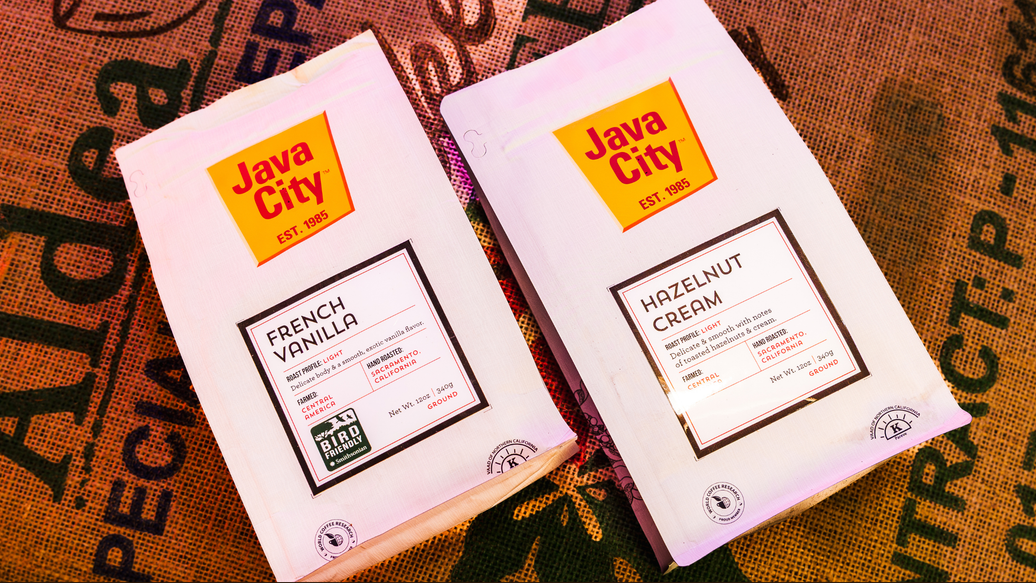
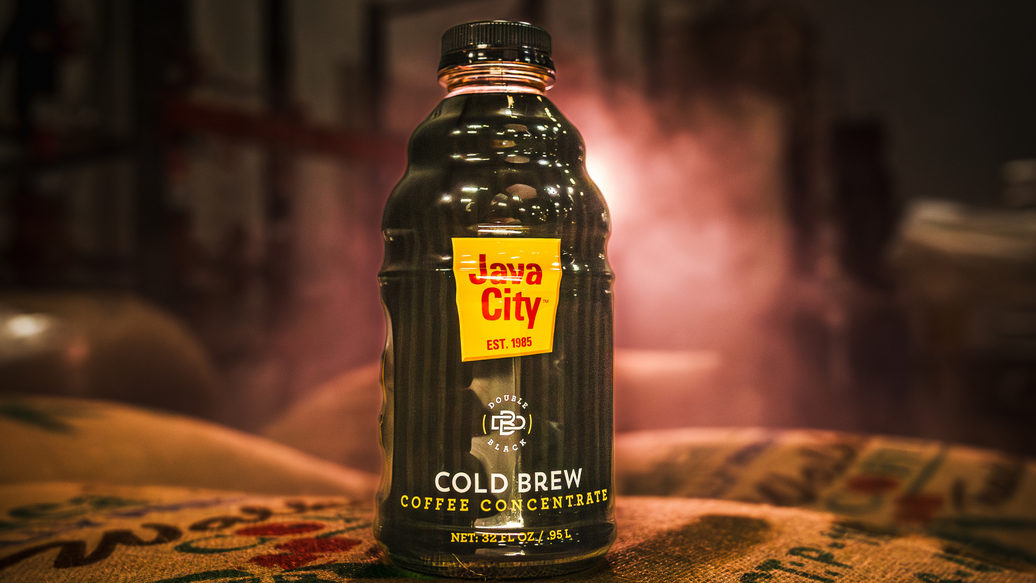
Java City offers a range of freshly roasted coffees with different roast levels and flavor profiles, making it easier to find a coffee that matches the way you actually like to drink it.
7. Your Coffee Beans Are Stale
Freshness matters.
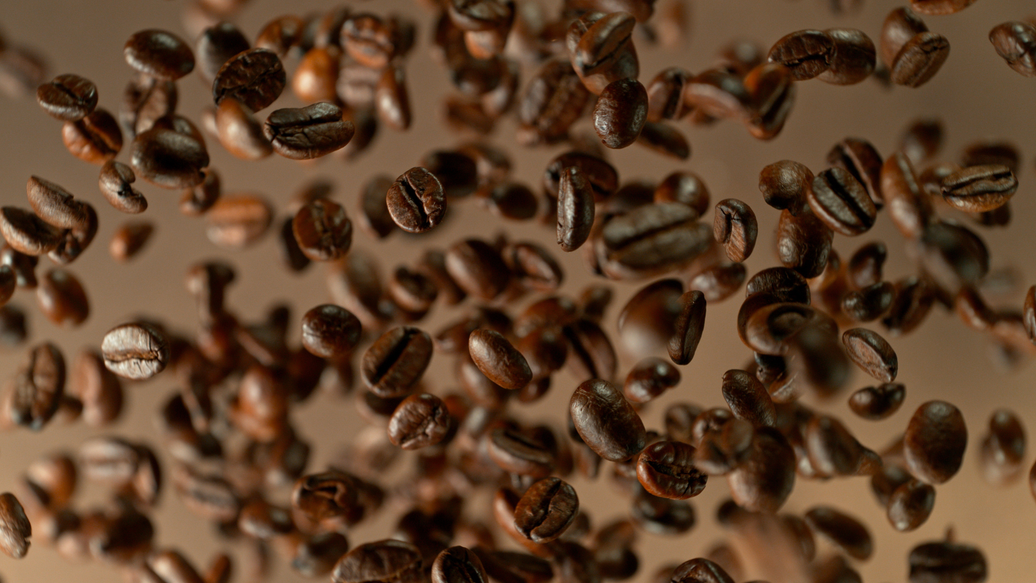
Once coffee is roasted, exposure to oxygen gradually changes its aroma and flavor. Coffee that has been sitting around for too long may taste flat, dull, harsh, or unpleasantly bitter compared with fresher coffee.
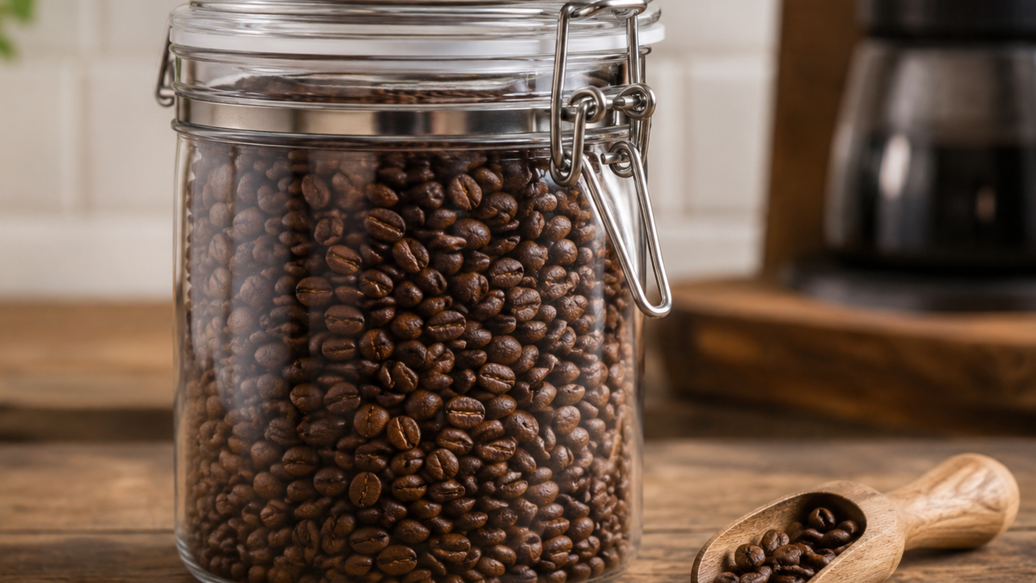
For better flavor, purchase freshly roasted coffee and store it properly in an airtight container away from heat, moisture, sunlight, and strong odors. Check out our coffee freshness tips for more information.
Whole bean coffee can also help preserve freshness longer because you can grind only what you need immediately before brewing.
When possible, choosing freshly roasted, high-quality coffee is one of the simplest ways to improve the flavor of your daily cup.
8. Your Coffee Maker Needs to Be Cleaned
If your coffee suddenly tastes bitter or burnt even though you have not changed your beans or recipe, check your equipment.
Coffee oils and residue can accumulate inside coffee makers, grinders, carafes, French presses, and reusable filters. Over time, those old oils can become stale and negatively affect the flavor of freshly brewed coffee.
Wash removable brewing components regularly and follow your coffee maker manufacturer's instructions for cleaning and descaling.
Do not forget your grinder. Old coffee grounds and oils can linger inside it too.
Why Does My Coffee Taste Burnt?
If your coffee tastes burnt, the cause may be slightly different from ordinary bitterness.
A burnt flavor can come from:
- A very dark roast
- Water that is excessively hot
- Coffee sitting on a hot plate for too long
- Old coffee residue inside your brewer or carafe
- Over-extraction
If freshly brewed coffee initially tastes good but develops a burnt flavor after sitting in the pot, the warming plate may be the culprit. Transfer brewed coffee to a thermal carafe instead of leaving it on direct heat for an extended period.
If it tastes burnt immediately after brewing, experiment with your grind size, water temperature, brew time, and roast level.
How to Fix Bitter Coffee
If you are staring at a bitter cup right now, start with the simplest adjustments.
Try these fixes in order:
- Grind your coffee slightly coarser.
- Shorten the brewing time.
- Keep brewing water around 195°F to 205°F.
- Check your coffee-to-water ratio.
- Clean your coffee maker and grinder.
- Make sure your coffee is fresh and stored properly.
- Try a lighter roast or a coffee with naturally smooth, sweet flavor notes.
Avoid changing everything at once. Adjusting one variable at a time makes it much easier to figure out what caused the bitterness.
Is Bitter Coffee Stronger?
Not necessarily.
Bitterness and coffee strength are not the same thing. Coffee strength generally describes the concentration of dissolved coffee in your cup, while bitterness is a flavor characteristic.
A strong cup can still taste balanced, and a weaker cup can still taste bitter if it was improperly extracted.
If you want stronger coffee without adding excessive bitterness, use an appropriate coffee-to-water ratio rather than simply grinding finer or brewing longer.
Does Dark Roast Coffee Taste More Bitter?
Dark roast coffee can taste more bitter than lighter roasts because longer roasting creates deeper roasted, smoky, and bittersweet flavors.
That does not mean dark roast coffee should taste unpleasant or burnt.
A well-roasted dark coffee can be full-bodied, rich, smoky, chocolatey, or caramel-forward while remaining balanced. If every dark roast tastes overly bitter to you, however, your personal preference may lean toward medium or light roasts.
What Coffee Is Best If You Don't Like Bitter Coffee?
If you prefer coffee that tastes smooth rather than intensely bitter, start with a fresh medium roast coffee and look for tasting notes such as caramel, chocolate, nuts, vanilla, or brown sugar.
Your brewing method still matters. Even an excellent coffee can taste bitter when it is ground too finely or over-extracted.
Starting with freshly roasted, high-quality beans and dialing in your grind size, water temperature, brewing time, and ratio gives you the best chance of getting the flavors the roaster intended.
Shop Java City's freshly roasted coffee to explore different roasts and flavor profiles and find the right coffee for your preferred brewing method and taste.
Bitter Coffee FAQ
Why does my coffee suddenly taste bitter?
If the same coffee suddenly tastes bitter, your grinder setting, brewing time, water temperature, coffee-to-water ratio, or equipment cleanliness may have changed. Coffee that has become stale can also develop less pleasant flavors.
Why does my coffee taste bitter but not strong?
Bitterness is usually related to extraction or flavor profile rather than strength. A relatively weak cup can still become bitter if the grounds are too fine or remain in contact with water for too long.
Does adding more coffee make it less bitter?
Not necessarily. Changing the amount of coffee also changes your brewing ratio and extraction. It is better to troubleshoot grind size, brew time, temperature, and ratio individually.
Can you make bitter coffee taste better after it is brewed?
You cannot reverse over-extraction, but adding milk, cream, or a small amount of sweetener can soften the perception of bitterness. For the next batch, adjust the brewing variables that caused the bitterness rather than relying on additions to cover it.
What grind size makes coffee less bitter?
If your coffee is over-extracted and bitter, a slightly coarser grind can help. The ideal grind size depends on your brewing method, so make small adjustments rather than immediately switching to an extremely coarse grind.
Why does restaurant or coffee shop coffee taste less bitter?
Professional coffee preparation often relies on consistent grind size, carefully measured coffee-to-water ratios, controlled water temperature, clean equipment, and fresh coffee. Recreating those variables at home can dramatically improve consistency.
Better Coffee Starts With the Basics
If your coffee tastes bitter, you probably do not need to give up on your favorite brewing method. Start by checking the fundamentals: grind size, brewing time, water temperature, coffee-to-water ratio, freshness, and equipment cleanliness.
Small changes can make a big difference.
And your starting ingredients matter just as much as your technique. Choosing freshly roasted, high-quality coffee gives you a better foundation for a balanced, flavorful cup.
Explore Java City's freshly roasted coffees and find a roast and flavor profile that makes your next cup something to look forward to.