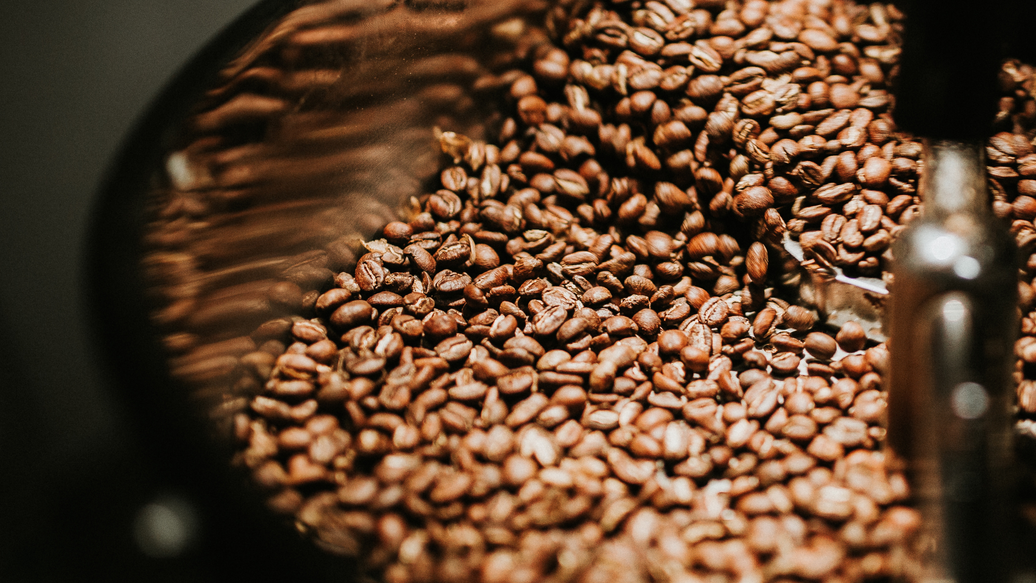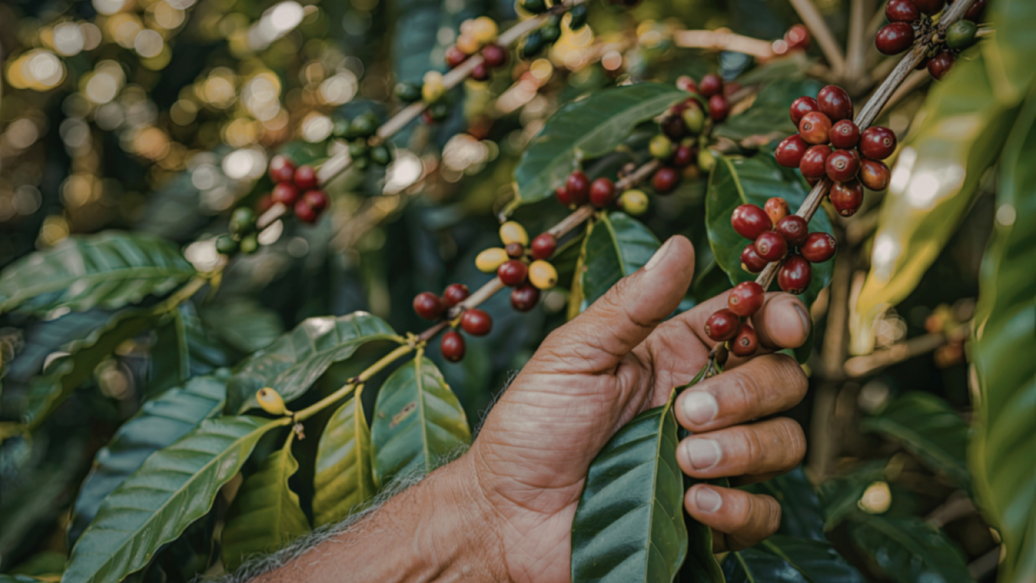

You buy a fresh bag of coffee beans, make a few cups, and then realize you might not finish the whole bag anytime soon. So, can you freeze coffee beans to keep them fresh longer?
The short answer is that yes, you can freeze coffee beans. When done correctly, freezing coffee beans can help slow the processes that cause coffee to lose its freshness and flavor. However, freezing is not always necessary, especially if you plan to use your coffee within a reasonable amount of time. The key is knowing when freezing makes sense, how to do it properly, and when another coffee bean storage method may be better.

Can You Freeze Coffee Beans?
Yes. Coffee beans can be stored in the freezer to help preserve freshness for longer periods.
After coffee is roasted, it begins to change as it is exposed to oxygen, moisture, heat, and light. Over time, these factors can affect the aromas and flavors that make freshly roasted coffee so enjoyable.
Freezing slows many of these changes, which can make it a useful storage option if you have more coffee than you expect to drink in the near future.
That does not mean every bag of coffee belongs in the freezer. If you drink coffee regularly and expect to finish your beans relatively quickly, proper room-temperature storage is usually the simpler option.
Does Freezing Coffee Beans Keep Them Fresh?
Freezing can help coffee beans maintain their quality for longer, but it does not make coffee stay fresh forever.
Research has shown that lower storage temperatures can slow the physical and chemical changes associated with coffee aging. This is one reason freezing has become a popular technique among specialty coffee professionals and enthusiasts who want to preserve coffee for longer periods.
The important distinction is that freezing helps preserve the coffee you already have. It cannot restore freshness that has already been lost.
If coffee has been sitting open in your pantry for months, putting it in the freezer will not bring back its original flavor or aroma.
Starting with fresh, quality coffee beans is still the most important step.
Pros and Cons of Freezing Coffee Beans
Like most coffee storage methods, freezing has advantages and disadvantages.
Pros of Freezing Coffee Beans
Helps preserve freshness longer: Freezing slows the processes that cause roasted coffee to age, making it useful for longer-term storage.
Reduces waste: If you buy a larger bag or have several coffees at home, freezing portions can help prevent beans from sitting unused for too long.
Makes it easier to stock up: Found a coffee you love? Proper freezing can allow you to keep extra beans on hand without needing to use them immediately.
Useful for occasional coffee drinkers: If you do not brew coffee every day, freezing smaller portions can help you enjoy fresher-tasting coffee over a longer period.
Cons of Freezing Coffee Beans
Moisture can become a problem: Coffee should be protected from moisture during storage. Improper containers or repeatedly opening a frozen bag can expose the beans to condensation.
Frequent temperature changes are not ideal: Moving the same coffee in and out of the freezer repeatedly can expose it to changing temperatures and moisture.
It may be unnecessary: If you expect to finish your coffee relatively quickly, storing it properly at room temperature is usually easier.
How to Freeze Coffee Beans Properly
If you decide that freezing coffee beans is the right option, a few simple steps can help protect their flavor.
1. Start With Fresh Coffee Beans
Freezing works best as a preservation method, not a rescue method. Freeze coffee while it is still fresh rather than waiting until it already tastes stale.
2. Use an Airtight Container
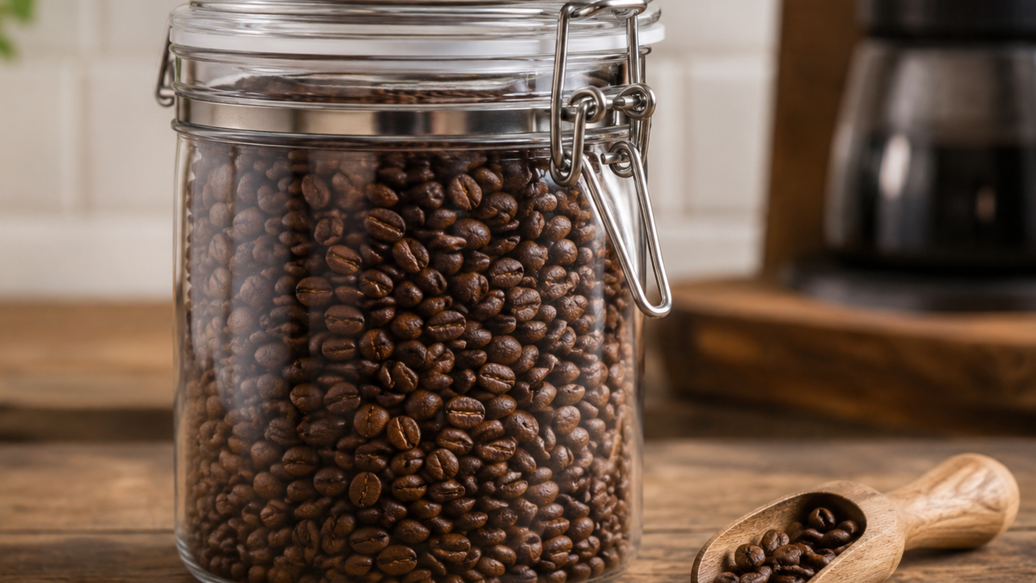
Air and moisture are two things you want to limit when storing coffee. Use a truly airtight container or freezer-safe sealed bag.
If possible, remove excess air before sealing the coffee.
3. Divide Coffee Into Smaller Portions
Instead of freezing one large bag that you open every few days, divide the beans into portions based on how much coffee you typically use at one time.
For example, you could portion your coffee into enough beans for several days or a week of brewing.
This allows the rest of the coffee to remain sealed and frozen until you need it.
4. Avoid Repeated Freezing and Thawing
Try to remove only the amount of coffee you need from the freezer.
Repeated temperature changes can increase the chance of condensation forming around the beans, which is exactly what you are trying to avoid with proper coffee bean storage.
5. Keep the Beans Sealed While They Warm Up
When you remove a portion of coffee from the freezer, keep the container sealed while the beans come up to room temperature. This can help reduce condensation directly on the coffee.
Once the beans have warmed, open the container and use them as you normally would.
Should You Freeze Ground Coffee?
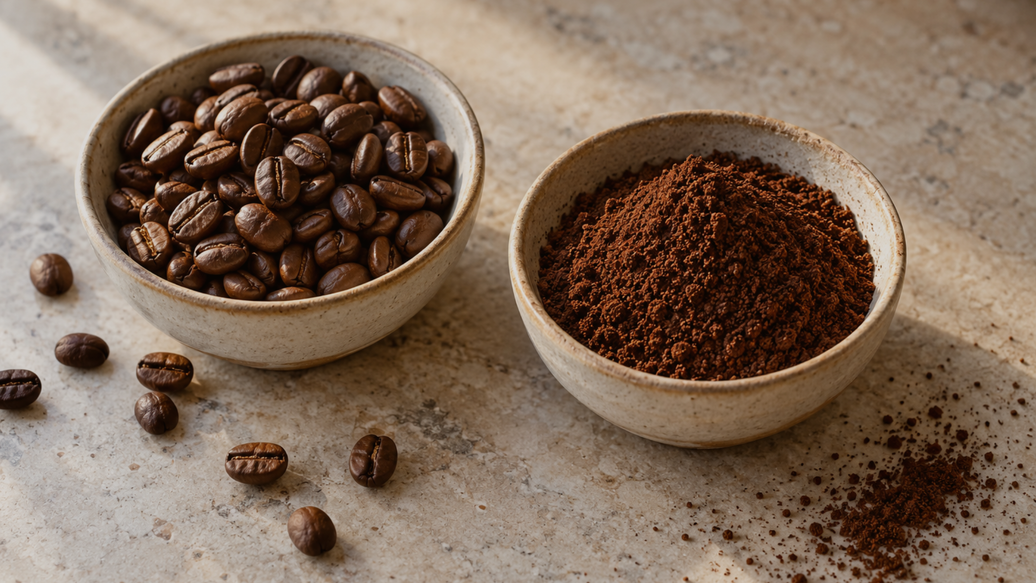
You can freeze ground coffee, but whole coffee beans are generally the better choice for maintaining flavor.
Grinding dramatically increases the surface area of coffee exposed to air. As a result, ground coffee tends to lose its aromatic qualities more quickly than whole beans.
For the best flavor, store coffee as whole beans and grind only what you need shortly before brewing whenever possible.
If you need to freeze ground coffee, the same basic rules apply. Keep it airtight, protect it from moisture, portion it before freezing, and avoid repeatedly opening and closing the frozen container.
What Is the Best Way to Store Coffee Beans?
For coffee you plan to drink regularly, you probably do not need the freezer at all.
The best everyday coffee bean storage method is simple:
-
Keep beans in an airtight container or properly sealed coffee bag
-
Store them in a cool, dry place
-
Keep them away from direct sunlight
-
Avoid storing them next to heat sources
-
Grind beans shortly before brewing
-
Buy an amount you can reasonably enjoy while it is fresh
A kitchen cabinet or pantry away from the oven, stove, or direct sunlight is typically a good choice.
One place you may want to avoid is the refrigerator. Refrigerators contain moisture and plenty of other foods and aromas. Coffee can absorb surrounding odors, so the refrigerator is generally not an ideal everyday storage environment.
Freezer vs. Pantry: Where Should You Store Coffee Beans?
The best choice depends on how quickly you plan to use your coffee.
|
Storage Method |
Best For |
Key Consideration |
|
Pantry or cabinet |
Coffee you drink regularly |
Keep beans airtight, cool, dry, and away from light |
|
Freezer |
Longer-term storage |
Divide into airtight portions and limit thawing |
|
Refrigerator |
Generally not recommended |
Moisture and food odors can affect coffee |
|
Countertop |
Short-term storage |
Use an opaque, airtight container away from heat and sunlight |
For most daily coffee drinkers, proper pantry storage is enough to keep coffee fresh while you work your way through a bag.
How Long Do Coffee Beans Stay Fresh?
Wondering how long coffee beans stay fresh? Well, there is a difference between coffee being safe to consume and coffee tasting its best. Roasted coffee does not suddenly become unusable after a specific number of days. Instead, its flavor and aroma gradually change over time. That is why storage matters so much.
If you are buying coffee to enjoy at home, purchasing freshly roasted beans in quantities that match your normal coffee routine is one of the easiest ways to get better flavor from every cup.
Freezing can extend your storage window, but it should not replace buying fresh coffee in the first place.
How to Keep Coffee Fresh Without Freezing It
If freezing sounds like more work than you need, focus on four things: air, heat, light, and moisture.
Limit your coffee's exposure to all four.
Keep your beans sealed between uses, choose a cool and dark storage location, and avoid leaving the bag open on the counter. If the original coffee packaging has a secure resealable closure, make sure to remove as much excess air as practical before sealing it again.
Most importantly, buy coffee based on how quickly you actually drink it.
A smaller amount of fresh coffee is usually a better choice than buying more coffee than you can use simply because the larger bag seems more convenient.
Frequently Asked Questions About Freezing Coffee Beans
Can you freeze coffee beans in the original bag?
You can if the bag creates a strong airtight seal, but additional protection may be helpful for longer-term freezer storage. Placing the sealed coffee in an airtight freezer-safe container or bag can provide another barrier against air and moisture.
Does freezing coffee beans ruin the flavor?
Not necessarily. When coffee is properly sealed and frozen, freezing can help preserve flavor. Problems are more likely to occur when beans are exposed to moisture, odors, or repeated freezing and thawing.
Should I refrigerate coffee beans?
Generally, room-temperature storage in a cool, dry, dark location is preferable for everyday coffee. The refrigerator can expose coffee to moisture and odors from other foods.
Can you grind frozen coffee beans?
Yes. Some coffee enthusiasts grind beans directly from frozen. For everyday home brewing, however, you can also allow a sealed portion to come to room temperature before opening and grinding it.
Is it better to freeze coffee beans or ground coffee?
Whole beans are generally the better option. Coffee begins losing aromatic compounds more quickly after it is ground, so keeping coffee whole until you are ready to brew can help preserve flavor.
What is the best container for coffee beans?
An airtight, opaque container is a good choice for everyday coffee bean storage. The goal is to minimize exposure to oxygen, moisture, heat, and light.
So, Should You Freeze Your Coffee Beans?
Freeze your coffee beans if you need to store them for an extended period. If you plan to drink them regularly, keep them properly sealed in a cool, dark, dry place instead.
Freezing coffee beans can be an effective way to preserve freshness, particularly when you portion the beans ahead of time and protect them from air and moisture. But for most coffee drinkers, the easiest way to keep coffee fresh is also the simplest: buy freshly roasted coffee, store it properly, and enjoy it while its flavor and aroma are at their best.
At Java City, we believe better coffee starts with quality beans and thoughtful roasting. Whether you are stocking your freezer or brewing your way through a fresh bag, proper storage helps make sure that care comes through in every cup.