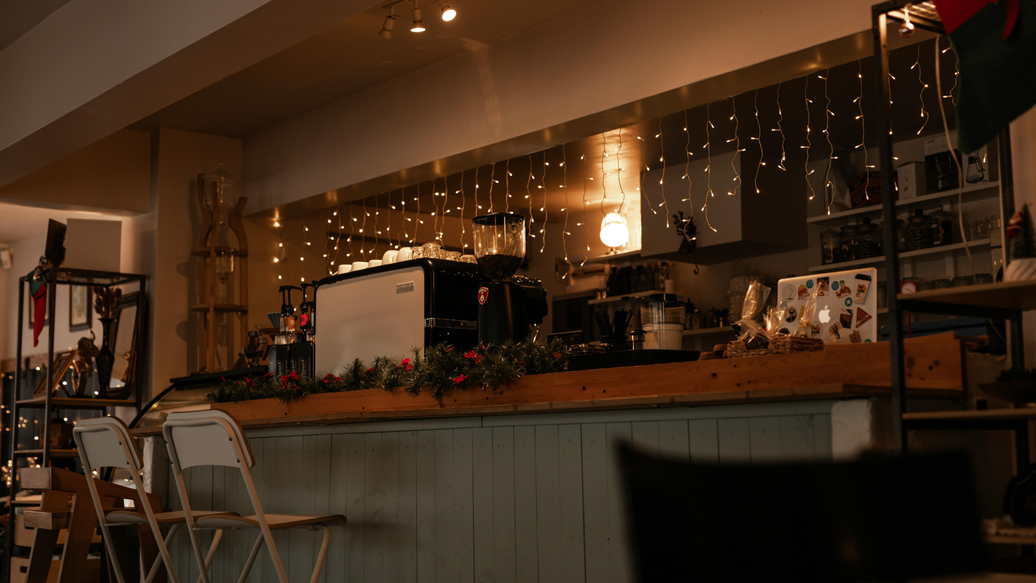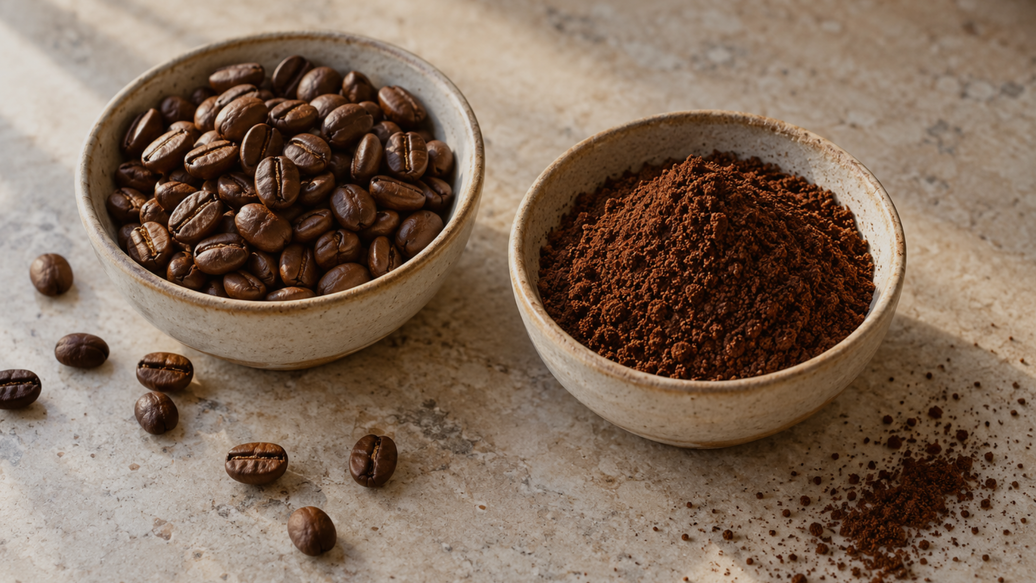

How much coffee should a café order each week? The answer depends on how many drinks it sells, how much coffee goes into each recipe, and how often deliveries arrive. An espresso bar selling mostly lattes will use beans differently from a restaurant serving batch-brewed coffee.
Order too little and you risk running out during a rush. Order too much and coffee may sit longer than you intended. In this guide, we’ll show you how to estimate demand, account for waste and delivery time, and decide how much wholesale coffee to keep on hand.
How Much Coffee Should a Café Order? A Guide to Managing Wholesale Coffee Inventory
How much coffee should a café order each week? The answer depends on how many drinks it sells, how much coffee goes into each recipe, and how often deliveries arrive. An espresso bar selling mostly lattes will use beans differently from a restaurant serving batch-brewed coffee.
Order too little and you risk running out during a rush. Order too much and coffee may sit longer than you intended. In this guide, we’ll show you how to estimate demand, account for waste and delivery time, and decide how much wholesale coffee to keep on hand.
The Quick Formula for Wholesale Coffee Ordering
Start with each type of coffee service on your menu:
Expected drinks × grams of coffee per drink = grams of coffee needed
Then:
Coffee needed ÷ 454 = pounds of coffee needed
Add a practical allowance for dialing in espresso, brewed coffee left at the end of service, spills, and other measured waste. Finally, subtract the usable coffee you already have before placing the order.
|
Number to collect |
Where to find it |
|
Expected drinks per day |
Point-of-sale reports or a new location’s sales forecast |
|
Coffee dose per drink |
Your approved brew and espresso recipes |
|
Days to cover |
Time until your next scheduled delivery |
|
Waste allowance |
Actual usage compared with recorded drink sales |
|
Usable stock on hand |
A physical inventory count, separated by coffee type |
Do not use cup size alone to estimate bean usage. A 16-ounce latte is mostly milk and may use the same espresso dose as a smaller latte. A 12-ounce cup of brewed coffee requires a different calculation based on your batch brew recipe.
How Much Coffee Does a Coffee Shop Use? A Worked Example
Say a café expects to sell 50 cups of brewed coffee and 25 espresso-based drinks per day. Its recipes use 20 grams of coffee per brewed serving and 18 grams for each espresso-based drink.
|
Drink category |
Daily sales |
Coffee per drink |
Daily coffee needed |
|
Brewed coffee |
50 |
20 g |
1,000 g |
|
Espresso drinks |
25 |
18 g |
450 g |
|
Total |
75 |
1,450 g, or about 3.2 lb |
Over seven days, that is about 22.4 pounds of coffee before waste. With a 10% planning allowance, the café would budget approximately 24.6 pounds for the week.
That is a starting estimate, not a universal order quantity. The café still needs to check how much brewed coffee and espresso it has on hand. It also needs to order the correct amount of each coffee, since surplus drip coffee cannot automatically replace a shortage of espresso beans.
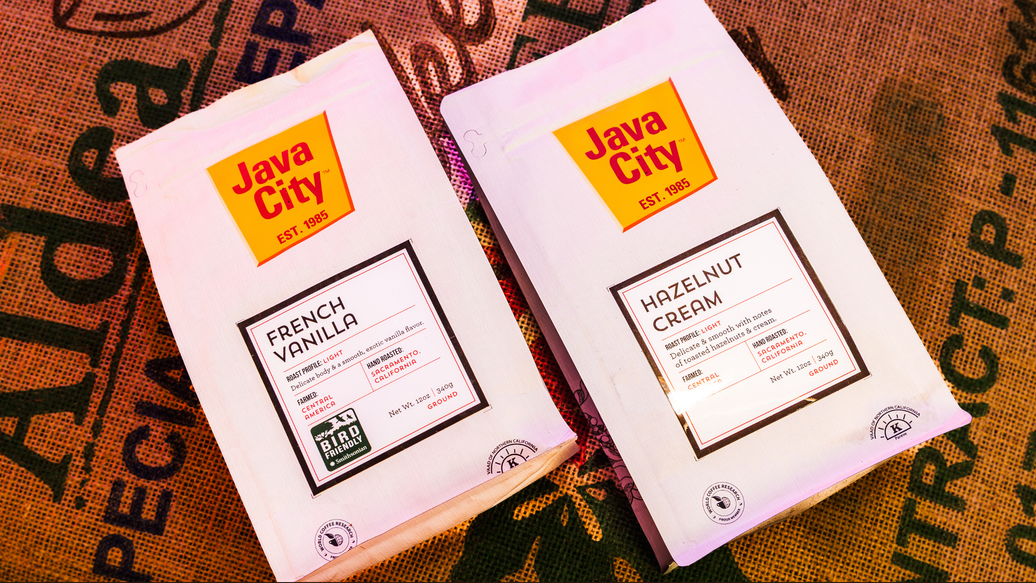
If ordering in 5-pound bags, round each coffee type separately and review the resulting surplus before repeating that order every week. Java City offers coffees such as Espresso Tempo in 5-pound sizes, giving operators a practical option for a regularly used espresso.
Step 1: Forecast Drinks by Day, Not Just by Week
A weekly sales average can hide your busiest periods. A café near offices might sell most of its coffee Monday through Friday. A restaurant may need more for weekend brunch, while a campus shop may see demand shift around breaks and the start of a semester.
Pull several recent weeks of sales by day and separate drinks into categories that use coffee differently:
-
Brewed hot coffee
-
Espresso-based drinks, including lattes and cappuccinos
-
Decaf coffee and decaf espresso
-
Cold brew, if you prepare it from beans on site
-
Seasonal drinks that increase espresso or brewed coffee demand
Look ahead for local events, promotions, holidays, changes in operating hours, and weather that may affect sales. For a new café without sales history, start with a conservative forecast and check actual usage daily during the first few weeks.
Step 2: Use Your Real Coffee Dose
The most reliable inventory figure comes from the recipe your staff actually follows. Weigh the coffee used for a standard brewed batch and espresso dose, then record the number of servings that recipe produces.
For batch brew, include coffee discarded when a batch reaches the end of its service window. For espresso, include beans used to adjust the grinder at opening and when conditions change during the day. These costs do not always appear in drink sales, but they affect how quickly you use a bag.
A consistent recipe makes both purchasing and quality control easier. The Specialty Coffee Association’s discussion of brew ratios explains why the relationship between ground coffee and brewing water is a key variable in brewed coffee. For ordering, the useful figure is the measured dose in your operation, rather than a generic number copied from another café.
Step 3: Measure Waste Instead of Guessing Forever
A modest waste allowance helps protect against normal variation, but it should not stay an arbitrary percentage. After a few ordering cycles, compare your calculated recipe usage with the amount of coffee that actually left inventory.
If usage is consistently higher than sales suggest, check for:
-
Brewed coffee discarded between rushes
-
Espresso used while adjusting grind settings
-
Staff drinks or samples that are not recorded
-
Overfilled doses or inconsistent batch recipes
-
Spills, remakes, or inaccurate inventory counts
This gives you a better ordering number and may reveal a training or workflow issue. If your team needs to standardize recipes across shifts, our guide to training staff for a successful coffee program is a useful next step.
Step 4: Account for Ordering Frequency and Delivery Lead Time
Your order must cover the time between deliveries, but you also need enough coffee left when you place the next order to get through its lead time.
For example, if a café uses 3 pounds of a particular coffee per day and the next delivery takes three days to arrive, it will need roughly 9 pounds during that lead time. A small additional reserve can protect against a busier day or a delivery delay.
A simple reorder point is: Average daily use × delivery lead time + chosen reserve = reorder point.
Set this separately for espresso, brewed coffee, and decaf. An operator may use far less decaf than its house coffee, so ordering every variety on the same schedule can create unnecessary stock.
Confirm order deadlines, delivery schedules, and available formats with your supplier. Java City’s beverage program includes account support for setup and reorders, which can help operators plan around their actual service volume.
Step 5: Balance Freshness With a Sensible Reserve
The goal of coffee inventory management is to have enough coffee to serve every customer without letting bags sit longer than necessary. Store unopened coffee according to the supplier’s guidance, keep opened bags sealed between uses, and use older stock before newer stock of the same coffee.
Review slow-moving items closely. A decaf or seasonal roast may need a smaller, less frequent order than your house coffee. If sales rise, increase its allocation based on actual demand rather than adding the same quantity to every item.
Your menu also affects the calculation. A shop adding a second espresso option, a new decaf service, or a seasonal drink should forecast demand for that coffee separately. If you are still designing the lineup, our guide to creating a coffee program for your business covers coffee selection and equipment planning.
A Simple Weekly Coffee Inventory Routine
Set aside a few minutes on the same day each week to check four numbers:
-
What sold: Review drinks by category, including brewed coffee and espresso.
-
What you used: Count bags opened and coffee remaining.
-
What is coming: Check open orders and expected delivery dates.
-
What changes next week: Adjust for events, hours, weather, or menu promotions.
Record the results in a spreadsheet or inventory system. Over time, you will see whether your forecasts are accurate and when it makes sense to change your order size or delivery frequency.
Wholesale Coffee Ordering FAQ
How many pounds of coffee does a café need per day?
It depends on drink volume and the recipe for each drink. In the example above, 50 brewed coffees at 20 grams each and 25 espresso drinks at 18 grams each use about 3.2 pounds per day before waste. Replace those figures with your own sales and measured doses for a useful estimate.
Should a café order coffee weekly?
Weekly ordering can work well, but the right frequency depends on sales volume, storage space, package size, and supplier lead time. A high-volume café may need more frequent deliveries. A smaller office or restaurant program may order less often while keeping a close eye on freshness and stock levels.
How much extra coffee should a café keep on hand?
Keep enough to cover expected demand during your supplier’s lead time, plus a reserve that reflects your operation’s risk of a stockout. Use past sales and delivery performance to set that reserve. Reassess it when your volume changes.
Can I calculate espresso inventory from the number of lattes sold?
Include all drinks that use the same espresso beans, such as lattes, cappuccinos, americanos, and straight espresso. Multiply their combined expected sales by the actual coffee dose per drink. If some recipes use different doses, calculate those separately.
Make Your Coffee Order Fit Your Operation
The answer to “How much coffee should a café order?” is in your sales, recipes, and delivery schedule. Start with a measured dose for each drink category, forecast demand by day, account for waste and lead time, then adjust as you compare estimates with real inventory use.
Whether you are opening a café or managing an established multi-location program, Java City can help you build a coffee and beverage program around your menu, equipment, and volume. Talk with our team about wholesale coffee ordering and a supply plan that fits the way your business operates.