If you assume dark roast coffee has more caffeine because it tastes stronger, you are not alone. Its bold aroma, smoky flavor, and full-bodied finish can make dark roast seem like the more powerful option. Others claim light roast coffee has more caffeine because the beans spend less time in the roaster.
So, does light roast have more caffeine than dark roast?
The short answer is that light roast can contain slightly more caffeine when coffee is measured by volume, such as with a scoop. When light and dark roast coffee are measured by weight, however, their caffeine levels are generally very similar. Your brewing method, serving size, coffee-to-water ratio, and bean variety usually have a greater effect on caffeine content than roast level.

Light Roast vs. Dark Roast Caffeine at a Glance
| How the Coffee Is Compared | Which Usually Has More Caffeine? | Why |
|---|---|---|
| Bean by bean | Light roast may have slightly more | Caffeine changes very little during roasting, although prolonged heat can reduce it slightly |
| Scoop by scoop | Light roast often has slightly more | Light roast beans are smaller and denser, so more coffee fits into the scoop |
| By equal weight | Usually very similar | Both portions contain essentially the same amount of coffee by mass |
| By brewed cup | It depends | Serving size, brewing method, grind size and coffee-to-water ratio matter more |
The difference between light roast and dark roast caffeine is usually small. Unless you measure carefully and brew each coffee under identical conditions, you may not notice a meaningful difference.
Why Do People Think Light Roast Has More Caffeine?
The belief that light roast contains more caffeine comes from the roasting process.
Light roast coffee spends less time exposed to heat. Because caffeine is relatively stable during roasting, some people assume that light roast beans retain significantly more caffeine than dark roast beans. There can be a small difference, but roasting does not remove most of the caffeine from coffee.
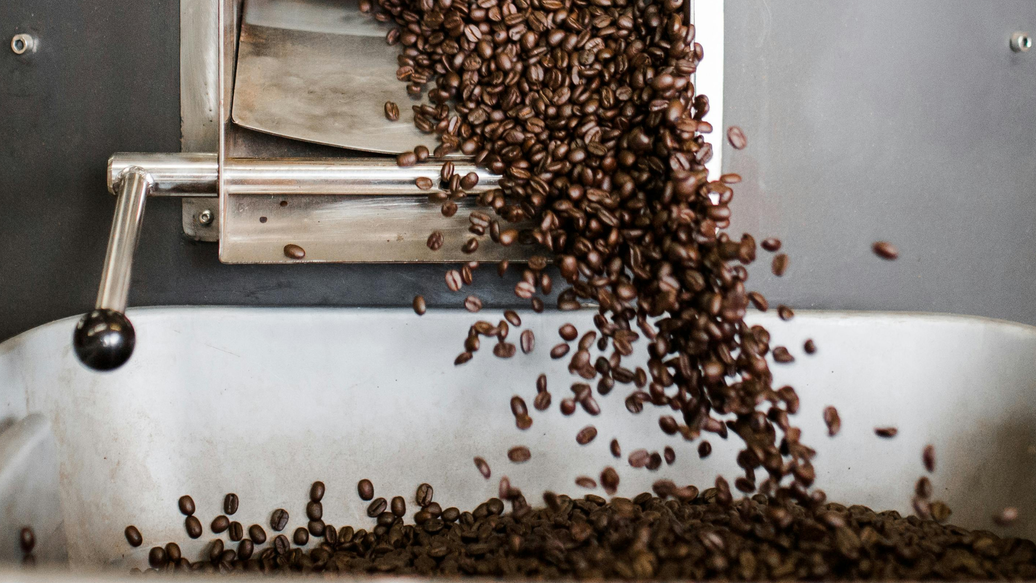
What changes much more noticeably during roasting is the bean’s size, density and flavor. As coffee roasts, it loses moisture and expands. Dark roast beans are therefore larger and less dense than light roast beans.
That physical difference is the key to understanding the light roast vs. dark roast caffeine debate.
Does Light Roast Have More Caffeine by the Scoop?
Light roast coffee will often contain slightly more caffeine when you measure your beans with a scoop.
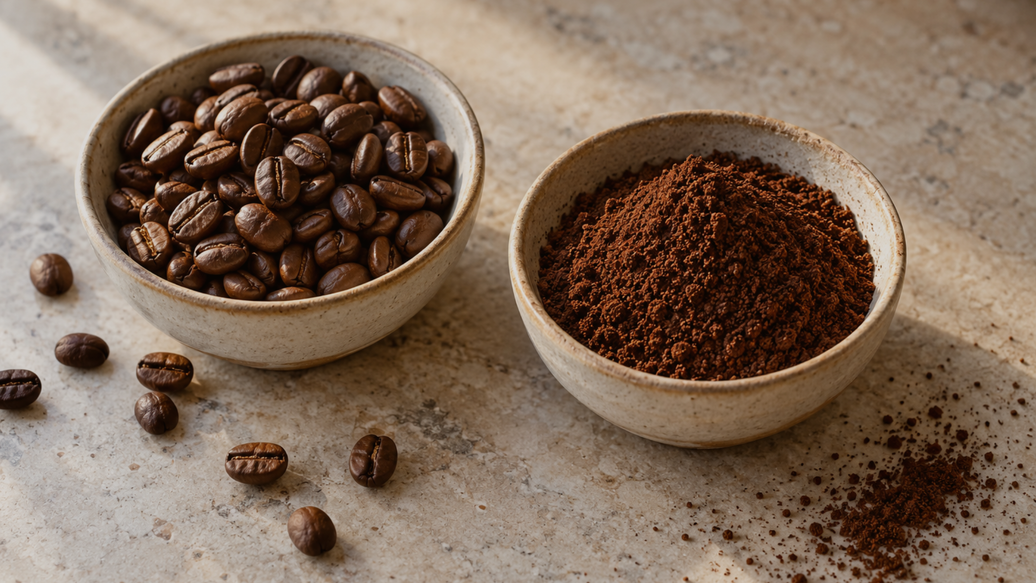
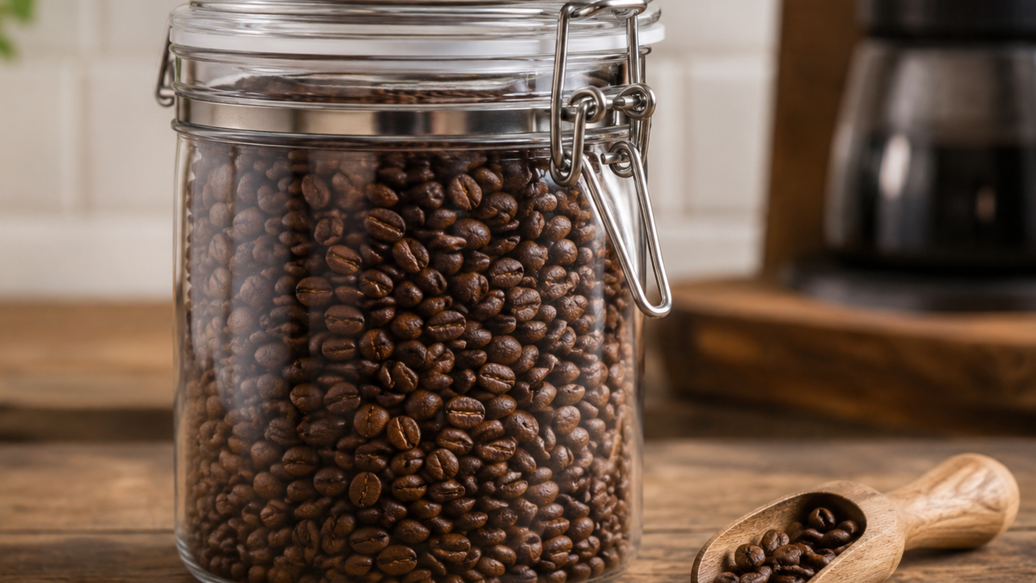
Because light roast beans are smaller and denser, more of them can fit into the same scoop. Dark roast beans are larger and less dense, so the scoop may contain fewer beans and less total coffee by weight.
Imagine filling two identical scoops:
- The light roast scoop holds more compact, dense beans.
- The dark roast scoop holds fewer beans because they have expanded during roasting.
The scoop of light roast may therefore contain more coffee and, as a result, slightly more caffeine.
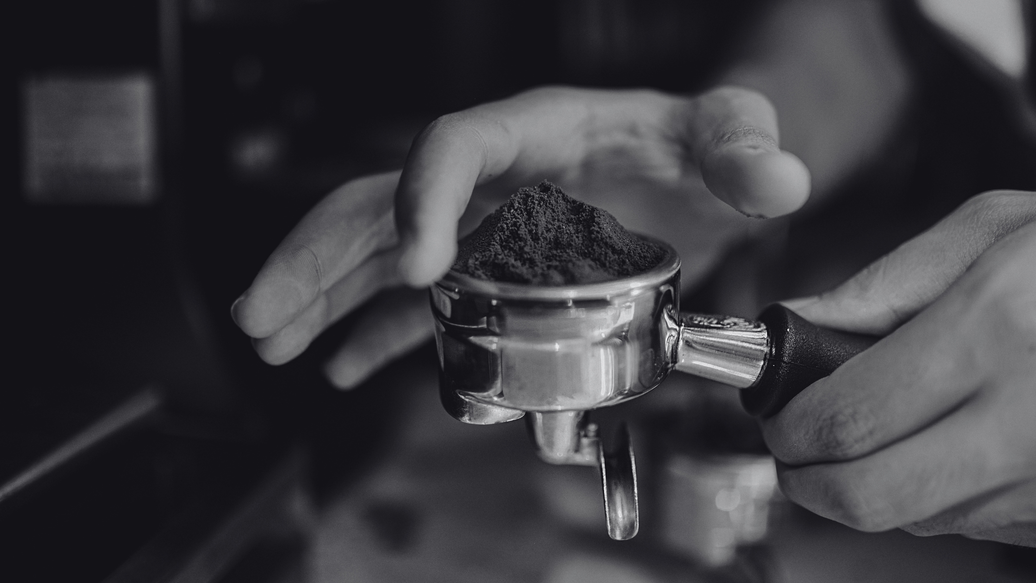
This is also why volume measurements are not always the most consistent way to prepare coffee. If you want to repeat the same recipe each morning, weighing your coffee with a kitchen scale will be more accurate than measuring it by the scoop.
Does Dark Roast Have More Caffeine by Weight?
When equal amounts of light and dark roast coffee are measured by weight, their caffeine content is generally very similar.
A 20-gram portion of light roast and a 20-gram portion of dark roast contain the same total weight of coffee. Although the number and size of the beans may differ, any caffeine difference between the two servings is likely to be minor.
Depending on the beans and roasting process, dark roast can sometimes provide a comparable or slightly higher caffeine concentration by weight because it has lost more moisture. That does not mean dark roast is automatically more caffeinated, however. The practical takeaway is that roast level alone is not a reliable way to predict the exact amount of caffeine in your cup.
If caffeine consistency matters to you, measure your coffee by weight and keep your serving size and brewing recipe consistent.
Does Darker Coffee Taste Stronger Because It Has More Caffeine?
No. A stronger flavor does not necessarily indicate a higher caffeine content.
Dark roast coffee develops deeper flavors as the beans remain in the roaster longer. Depending on the coffee, you may notice notes of dark chocolate, toasted nuts, caramel, spice, or smoke. Those flavors can create the impression that the coffee is stronger.
Light roast coffee generally preserves more of the bean’s original characteristics. It may taste brighter, fruitier, or more floral, with more noticeable acidity. Because these flavors can feel lighter on the palate, drinkers sometimes assume the coffee contains less caffeine.
Flavor intensity and caffeine strength are two separate qualities. Our guide to how coffee roasting affects flavor explains how each roast level changes a coffee’s aroma, acidity, body, and tasting notes.
What Actually Affects the Caffeine in Coffee?
Roast level plays a relatively small role in caffeine content. Several other factors can make a much larger difference.
Bean Variety
The type of coffee bean matters. Robusta coffee naturally contains considerably more caffeine than Arabica coffee, although Arabica is often preferred for its smoother, more nuanced flavor.
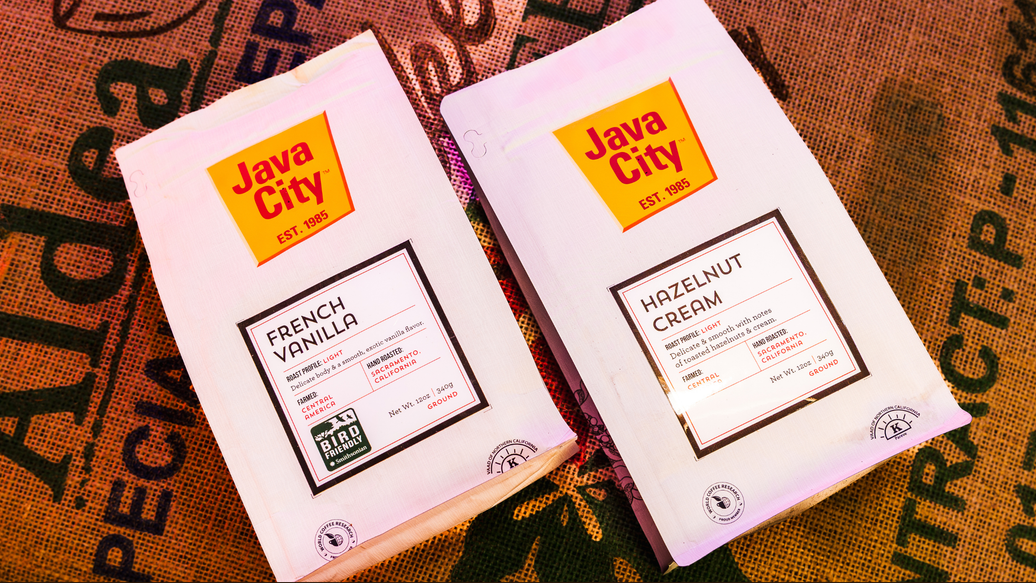
Java City specializes in high-quality Arabica coffee selected for balance, complexity and a clean finish. Learn more about the difference between Arabica and Robusta coffee beans.
Amount of Ground Coffee
Using more ground coffee generally adds more caffeine to the finished drink. A strong coffee-to-water ratio can make a greater difference than choosing a light roast instead of a dark roast.
For example, a generously portioned dark roast may contain more caffeine than a lightly portioned light roast simply because more coffee was used.
Brewing Method
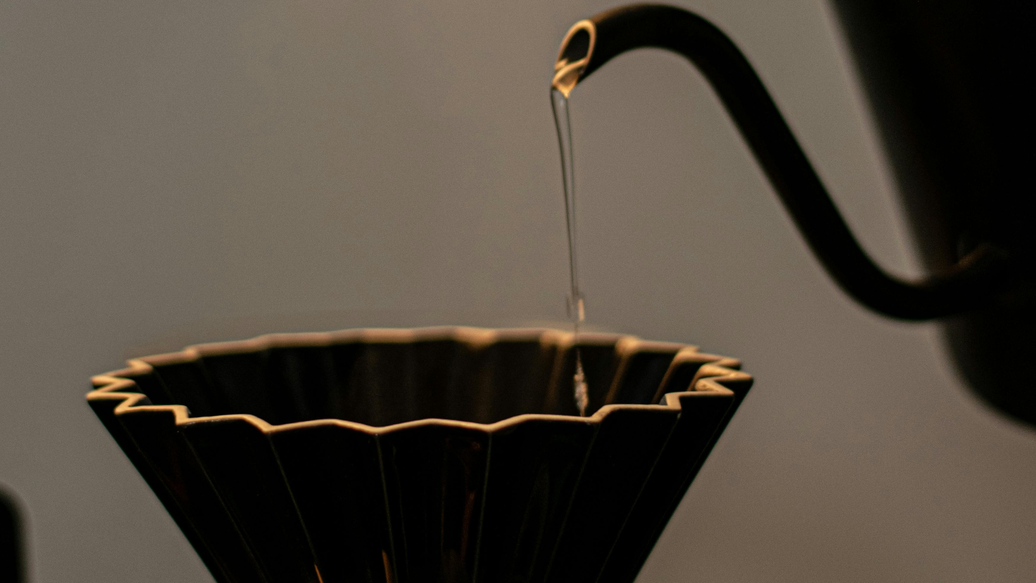
Caffeine extraction depends on how long the water remains in contact with the grounds, the water temperature, grind size, and coffee-to-water ratio.
Drip coffee, pour-over, French press, cold brew, and espresso all extract coffee differently. Espresso is concentrated, but its small serving size means a standard shot can contain less total caffeine than a full mug of brewed coffee.
For a deeper comparison, read What Coffee Has the Most Caffeine?.
Grind Size
Grind size affects how quickly water extracts flavor and caffeine from coffee. Finer grounds have more surface area exposed to water, while coarser grounds extract more slowly.
The correct grind should always match the brewing method. Our coffee grind size guide can help you choose the right setting for espresso, drip coffee, pour-over, French press, and cold brew.
Serving Size
A 16-ounce cup will usually contain more total caffeine than an 8-ounce cup made with the same coffee and brewing ratio. This sounds obvious, but serving size is one of the most frequently overlooked factors when people compare caffeine levels.
According to the U.S. Food and Drug Administration, caffeine content can vary considerably between products and serving sizes. The FDA cites 400 milligrams per day as an amount not generally associated with negative effects for most adults, although individual sensitivity varies.
Should You Choose Coffee Based on Roast Level or Caffeine?
For most coffee drinkers, flavor is a better reason to choose a roast than caffeine.
Choose a light roast if you enjoy:
- Bright acidity
- Fruit, citrus, or floral notes
- More distinctive origin characteristics
- A lighter body and vibrant finish
Choose a dark roast if you prefer:
- A fuller body
- Lower perceived acidity
- Dark chocolate, caramelized or toasted flavors
- A bold, lingering finish
If light, origin-forward coffee sounds good to you, explore Java City’s light roast coffee collection. For deeper and more developed flavors, shop our dark roast coffee collection.
Frequently Asked Questions About Coffee Roast and Caffeine
Does light roast coffee have more caffeine?
Light roast coffee may contain slightly more caffeine when measured by the scoop because its beans are denser and more beans fit into the same volume. When light and dark roast are measured by equal weight, their caffeine content is usually very similar.
Does dark roast lose caffeine during roasting?
Caffeine is relatively stable during roasting, so dark roasting does not remove most of the caffeine. Any difference caused by the additional roasting time is generally small.
Which coffee roast gives you the most energy?
Neither light nor dark roast is guaranteed to provide more energy. The amount of coffee used, bean variety, brewing method and serving size have a greater effect on total caffeine.
Is dark roast stronger than light roast?
Dark roast often tastes stronger because it has deeper, more roasted flavors. That stronger taste does not necessarily mean it contains more caffeine.
Does espresso have more caffeine than light roast coffee?
Espresso contains more caffeine per ounce, but a standard espresso shot is much smaller than a cup of brewed coffee. A full cup of light roast drip coffee may contain more total caffeine than one shot of espresso.
What is the best way to measure coffee for consistent caffeine?
Use a kitchen scale to measure coffee by weight. Measuring by weight creates more consistent portions than using a scoop, especially when switching between light and dark roasts.
The Bottom Line: Light Roast vs. Dark Roast Caffeine
Light roast can contain slightly more caffeine by the scoop because its beans are smaller and denser. When light and dark roast coffees are compared by equal weight, however, their caffeine levels are usually very close.
Roast level is not the biggest factor determining how much caffeine reaches your cup. Bean variety, dose, grind size, brewing method, and serving size all matter more.
Instead of choosing a roast based on a small potential caffeine difference, choose the flavor you genuinely enjoy. Whether you prefer a bright, fruit-forward light roast or a bold, smooth dark roast, a carefully sourced and freshly roasted coffee will make the greater difference in your daily cup.