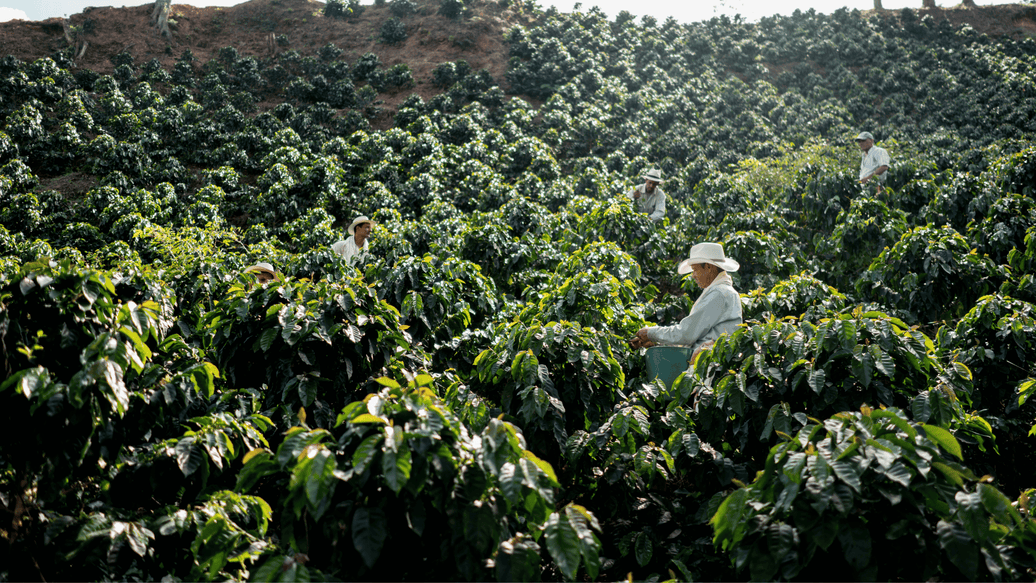
Single-origin coffee comes from one identifiable place, whether that’s a country, a growing region, a cooperative, or a farm. How specific the label gets depends on the coffee: one bag might say “Colombia,” while another names the farm where its beans were grown.
That place is a starting point for understanding what’s in your cup. Climate, elevation, and farming practices all help shape the coffee before it is harvested and roasted. So what should you expect from a single-origin coffee, and how is it different from a blend?

What Does Single-Origin Coffee Mean?
A single-origin coffee is sourced from one stated place rather than combining coffees from different geographic origins. That place may be as broad as a country or as specific as an individual farm.
The distinction matters when you are comparing bags. “Single-origin Colombia” tells you the coffee came from Colombia, but it does not necessarily identify one farm. A coffee labeled with a particular farm, cooperative, or growing region offers a more specific view of where the beans were grown.
Single-origin also describes where coffee comes from, not its roast level or quality grade. You can find single-origin coffees roasted light, medium, or dark, and a coffee can be excellent whether it comes from one origin or several.
How Does Coffee Origin Affect Flavor?
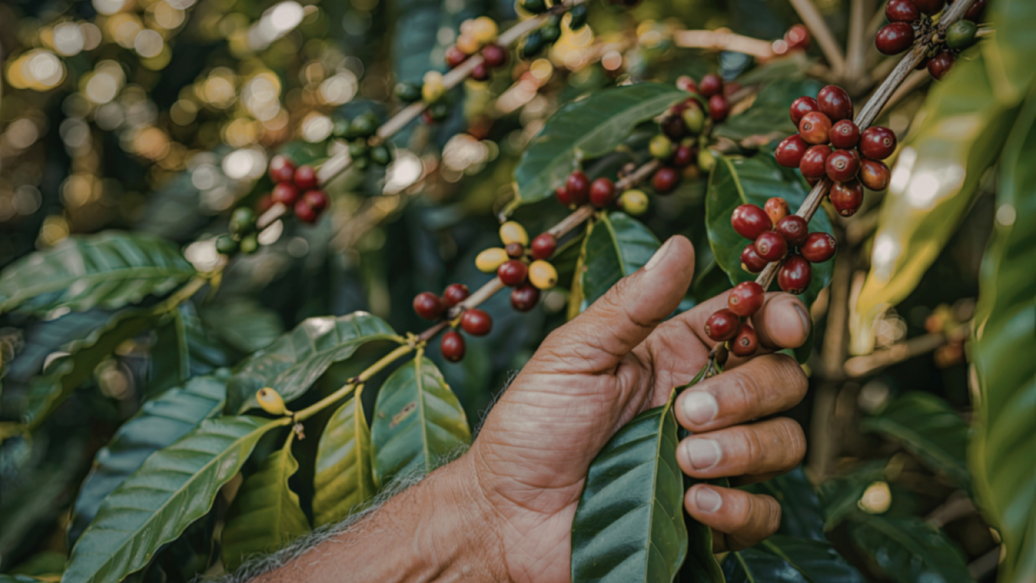
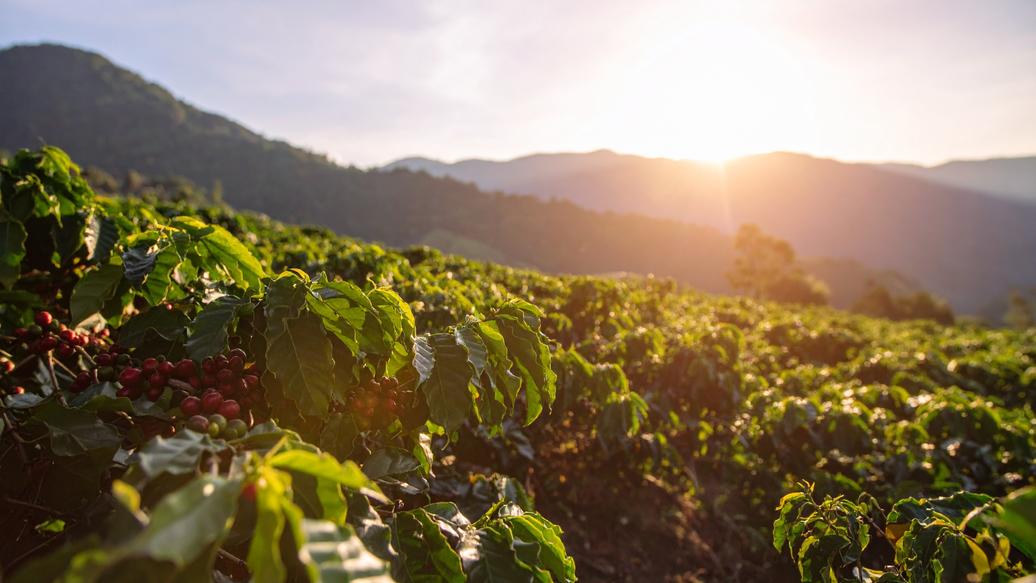
Where coffee grows helps shape its flavor, but geography is only one part of the picture. Several factors work together before the beans reach a roaster:
-
Climate and elevation: Temperature, rainfall, and growing altitude affect how coffee cherries develop.
-
Soil and growing conditions: The conditions on a farm can influence the character of the harvest.
-
Coffee variety: Different varieties can produce different flavors, even when grown in the same region.
-
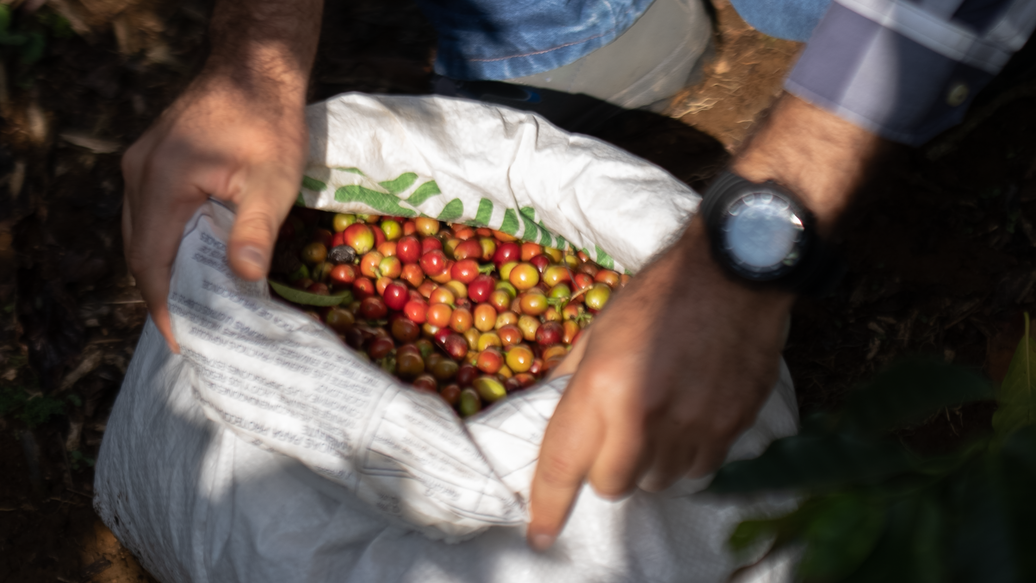
Processing: The way producers remove and dry the fruit around the bean can change how the coffee tastes.
-
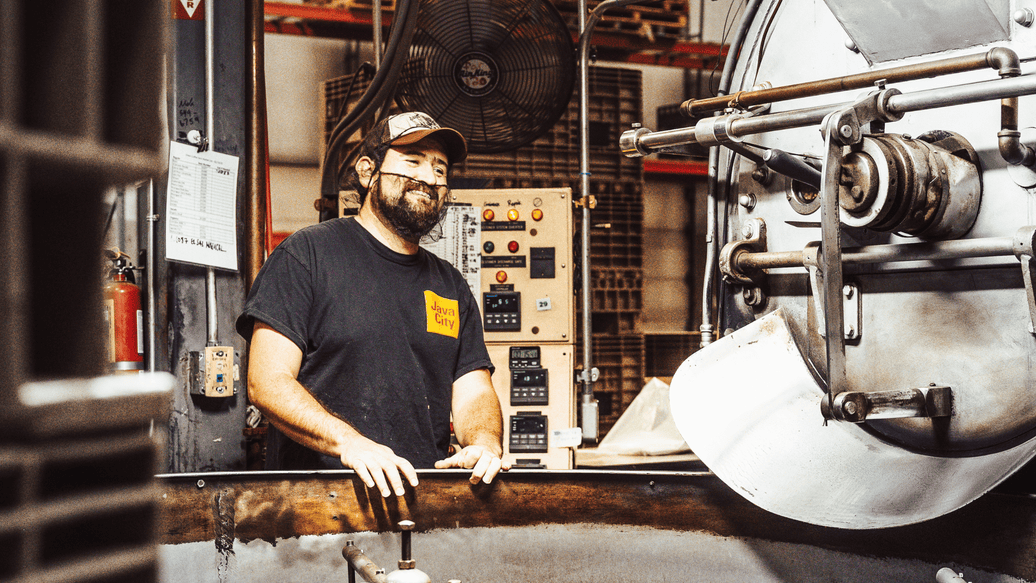
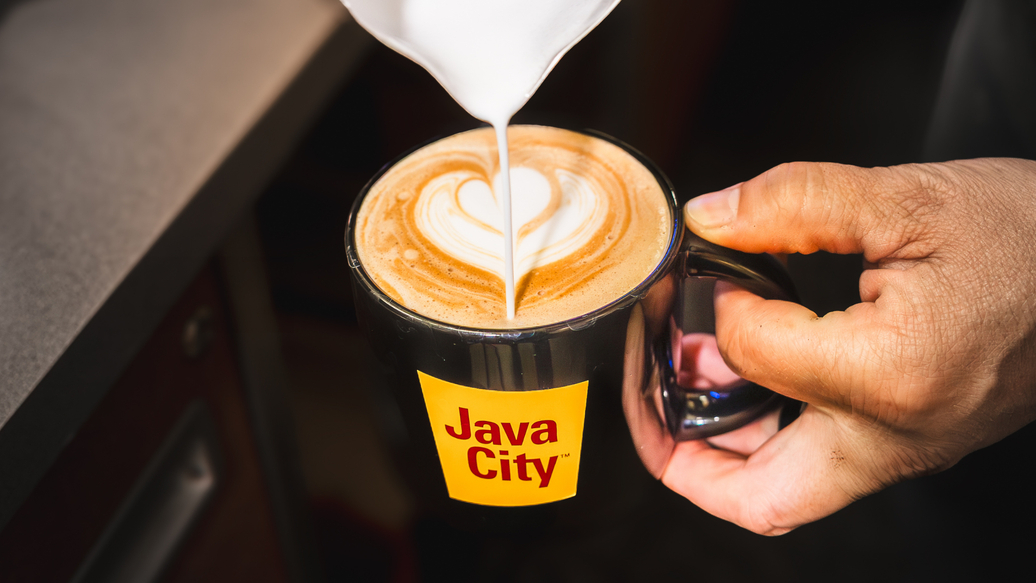
Roasting and brewing: A roaster develops the coffee’s flavor, while your grind, water, and brewing method affect what you taste in the cup.
That is why two coffees from the same country can taste quite different. If you want a closer look at the growing side of the process, read our guide to how coffee origin affects flavor. To follow the beans beyond the farm, explore what happens after coffee is harvested.
Single-Origin Coffee vs. Blends: What Is the Difference?
The main difference is how the coffee is sourced and combined. A single-origin coffee highlights beans from one stated place. A multi-origin blend combines coffees from different places to create a particular flavor profile.
|
Single-origin coffee |
Multi-origin blend |
|
|
Source |
One stated geographic origin |
Coffees from multiple origins |
|
Flavor goal |
Showcase the character of that source |
Build a balanced flavor profile |
|
Variation |
May change somewhat between harvests |
Can be adjusted to maintain a consistent taste |
Neither is automatically better. If you enjoy exploring where coffee comes from and noticing differences between harvests, try a single origin. If you have a favorite flavor profile that you want to return to every day, a blend may be a good fit.
One label detail worth knowing: A product name that includes “blend” does not always mean it contains beans from multiple countries. Java City’s Black Bear Diner Blend, for example, is described on its product page as a single-origin coffee made with 100% Nicaraguan beans. Its smooth, full-bodied profile has notes of chocolate and caramel.
What Does a Single-Origin Coffee Taste Like?
There is no one flavor that defines single-origin coffee. The best way to choose is to read the tasting notes on the bag and consider how you like to brew.
For a Colombian option, explore Java City’s Colombia Del Alma. Its product description highlights a cocoa aroma with a hint of nuttiness. If you prefer a smooth, full-bodied Nicaraguan coffee, Black Bear Diner Blend offers chocolate and caramel notes. Both show why the words single-origin tell you about sourcing, while the tasting notes help you decide what you would like to drink.
Brewing can make those notes easier to notice, too. A pour-over gives you control over the process and can help you compare coffees side by side. A drip coffee maker is an easy way to get familiar with a new bag over several mornings. Start with the method you already enjoy, then adjust the grind or coffee-to-water ratio if the cup tastes weaker or stronger than you prefer.
Does Single-Origin Mean Sustainably Sourced?
No. Single-origin identifies a coffee’s geographic source; it does not, by itself, guarantee particular farming practices or prices paid to growers. If sourcing matters to you, look for information about the roaster’s relationships with farmers and cooperatives alongside the origin printed on the bag.
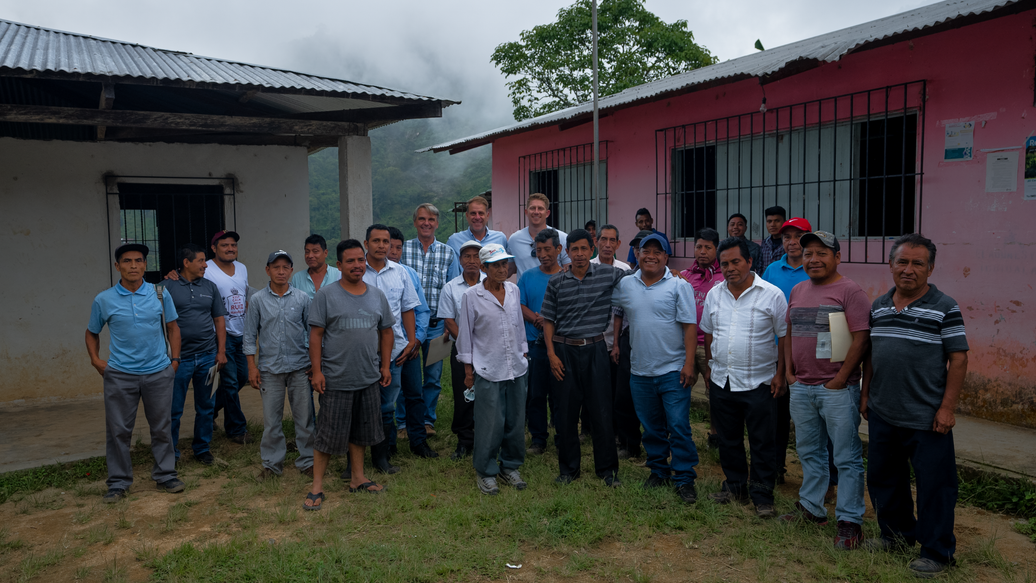
At Java City, our approach to sourcing includes relationships with coffee-growing partners and attention to the communities behind each harvest. Learn more about our sustainable, direct trade coffee and the people who make each cup possible.
How to Choose Your Next Coffee by Origin
Start with flavor rather than assuming one country or roast will always taste a certain way. Read the bag’s tasting notes, check how specific its origin information is, and think about how you plan to brew it. Then try another coffee and compare what you notice.
Understanding origin gives you one more useful way to explore coffee. Whether you choose a Colombian coffee for its cocoa and nutty aroma or a Nicaraguan coffee for its chocolate and caramel notes, the best choice is the one you look forward to brewing.