
Coffee flavor begins long before beans reach a coffee roaster. It starts on the farm, where climate, elevation, soil, and sunlight shape how coffee cherries develop. One of the most important growing factors is how much light the coffee plant receives during its life cycle.
Coffee plants can be grown under a tree canopy or in open fields with full sun exposure. These two approaches are commonly referred to as shade-grown and sun-grown coffee. Each method influences how the plant matures, how sugars develop inside the cherry, and how the final cup of coffee tastes.
Understanding the difference between shade-grown and sun-grown coffee helps explain how farming decisions affect everything from bean density to flavor complexity.

How Coffee Plants Grow in Nature
Coffee plants originally evolved as understory shrubs in tropical forests. In their natural environment, they grow beneath taller trees that filter sunlight and create a stable ecosystem.
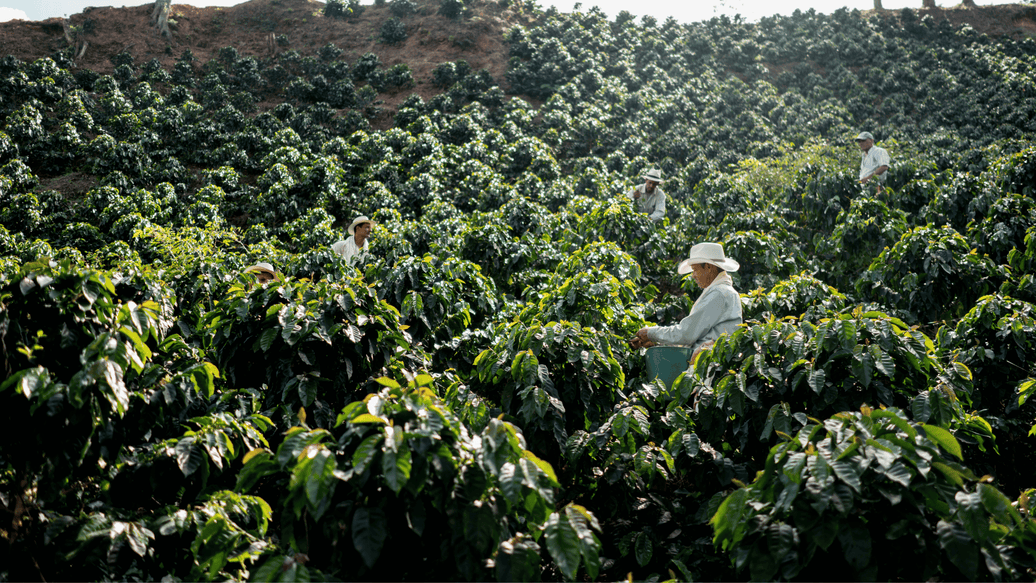
Shade-grown coffee farming replicates this natural environment. Coffee farmers grow coffee plants beneath layers of trees that protect them from direct sunlight. These trees also help regulate soil temperature, retain moisture, and create a diverse ecosystem around the crop.
Sun-grown coffee takes a different approach. In this method, trees are removed and coffee plants are grown in open fields with full sun exposure. This allows farms to plant coffee more densely and often increases the speed of plant growth.
Both systems can produce excellent coffee, but the conditions affect how coffee cherries mature during the coffee harvest season.
How Light Exposure Affects Sugar Development
Sunlight plays a major role in photosynthesis, the process that allows plants to produce energy and sugars.
When coffee plants receive direct sunlight throughout the day, photosynthesis occurs at a faster rate. This can lead to quicker fruit development and a shorter growing cycle.
Shade-grown coffee develops more slowly. Because the plants receive filtered sunlight, the cherries take longer to mature on the branch.
That slower growth period can allow sugars inside the coffee cherry to develop more gradually. Many coffee professionals believe this contributes to deeper sweetness and more layered flavor profiles in the final cup.
While both methods can produce high-quality coffee, slower ripening often supports greater complexity.
Why Bean Density Matters
Another major difference between shade-grown and sun-grown coffee is bean density.
When coffee cherries mature slowly in cooler shaded environments, the seeds inside the fruit often become denser. Dense beans typically roast more evenly and can produce more refined flavor characteristics.
Sun-grown coffee tends to mature more quickly. Faster growth can sometimes lead to slightly less dense beans, though farming practices and elevation also play important roles.
Roasters often appreciate dense beans because they respond well to controlled roasting and allow subtle flavor notes to shine through.
Bean density is one reason why some high elevation coffees grown in shaded environments are prized for their clarity and complexity.
The Role of Coffee Processing
After the coffee harvest, the way beans are processed also influences flavor. While growing conditions shape the chemistry of the fruit, processing determines how much of the fruit’s sugars and compounds remain during drying.
Two of the most common processing methods are natural and washed coffee.
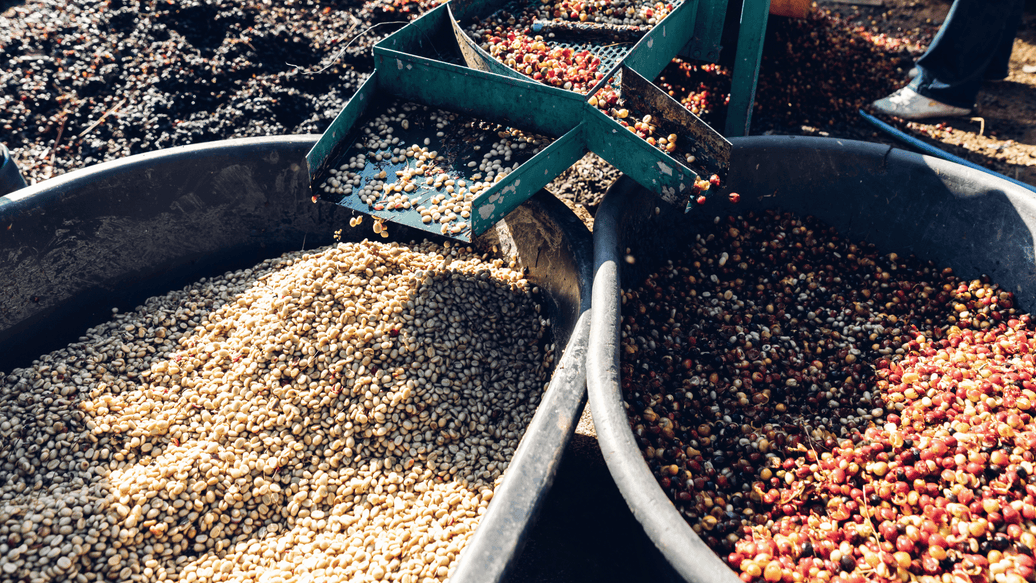
With natural processing, the coffee cherry is dried with the fruit still attached to the seed. As the fruit dries, sugars and fruit compounds interact with the bean. This can produce bold, fruit-forward flavors.
In washed processing, the fruit is removed before drying. The beans are fermented and rinsed with water, resulting in a cleaner flavor profile that highlights the character of the coffee itself.
Many coffee drinkers compare natural vs washed coffee to understand how processing influences flavor. The difference between washed vs natural coffee often comes down to fruit intensity versus clarity and brightness.
Both processing styles work with the natural characteristics developed during the growing stage.
Environmental Benefits of Shade-Grown Coffee
Beyond flavor, shade-grown coffee can support biodiversity and environmental health.
Trees planted alongside coffee farms provide habitat for birds, insects, and other wildlife. These ecosystems can help control pests naturally and contribute to healthier soil.
Shade trees also help prevent erosion and support water retention, which can be especially valuable in tropical farming regions.
For many coffee producers, shade-grown farming represents a balance between agricultural productivity and environmental stewardship.
Coffee grown in healthy ecosystems often reflects the vitality of the land where it is produced.
Antioxidants and Coffee Quality
Coffee is widely known for containing beneficial compounds, including antioxidants. These compounds develop naturally as coffee cherries grow and mature.
The amount of antioxidants in coffee can be influenced by several factors, including plant health, growing environment, and roasting method.
Healthy plants growing in balanced ecosystems often produce cherries rich in natural compounds that contribute to both flavor and nutritional properties.
While roasting changes the chemical composition of coffee, many of these beneficial compounds remain present in the final brewed beverage.
Sourcing Coffee with Intention
At Java City, sourcing begins with respect for the farmers and landscapes where coffee is grown. Every growing environment brings unique characteristics to the beans, from bright acidity to rich chocolate tones.
Our roasting team focuses on highlighting those natural qualities while maintaining balance and consistency in every batch of Java City coffee.
Thoughtful sourcing and responsible farming partnerships help ensure that each cup reflects the care and craftsmanship behind it.
Coffee is more than a beverage. It is the result of climate, soil, sunlight, and the dedication of farming communities around the world.
How Growing Conditions Shape Every Cup
Shade-grown and sun-grown coffees both play important roles in the global coffee landscape. Each farming approach brings different advantages, and both can produce excellent results when managed carefully.
What matters most is how the plants are grown, how the cherries mature, and how the beans are handled after harvest.
From sunlight exposure to processing methods, every stage influences the chemistry of the bean and the flavors that end up in the cup.
For coffee lovers, understanding these details offers a deeper appreciation of the journey coffee takes from farm to roast to the moment it is brewed and enjoyed.