
Most people experience coffee at the final stage: brewed, poured, and ready to drink. However, what often gets overlooked is everything that happens before that first sip.
Behind every cup is a long process that starts on coffee farms, moves through harvesting and processing, and ends with careful roasting and brewing. Each step affects flavor, consistency, and quality. Understanding the journey of a coffee bean gives a deeper appreciation for what makes great coffee stand out. Below, our Sacramento coffee roasters share the journey of a coffee bean.

Step 1: Coffee Farming and Cultivation
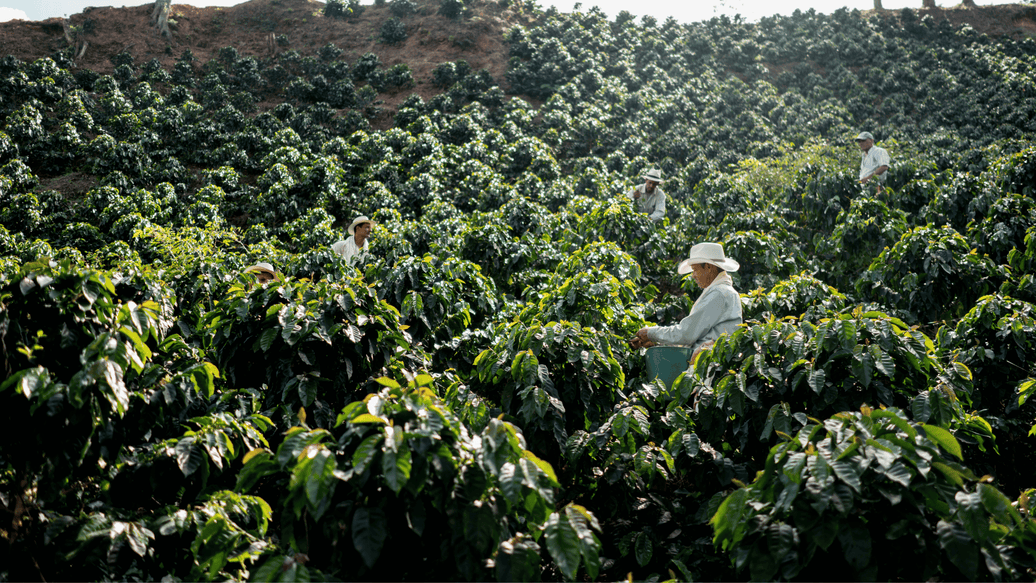
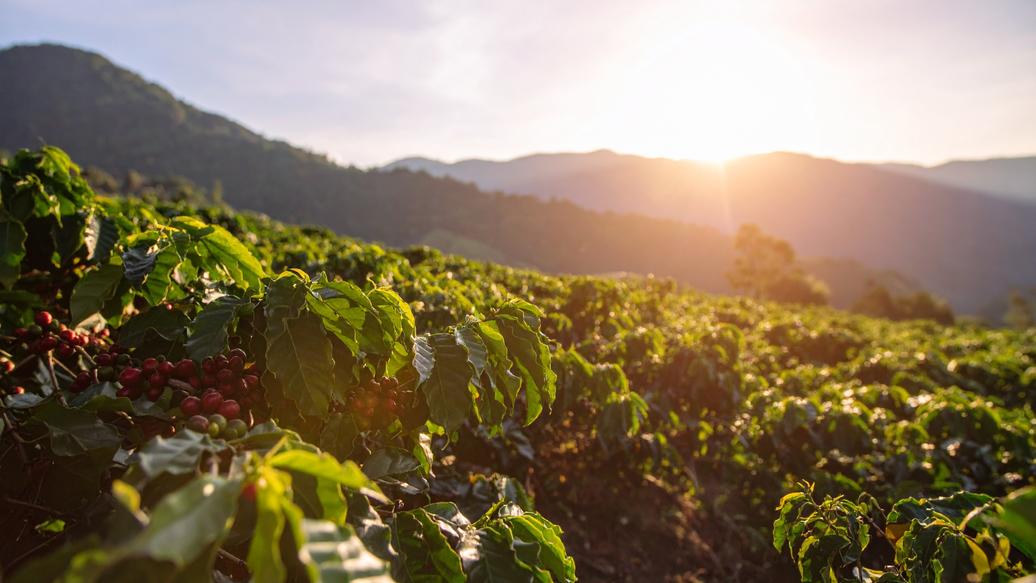
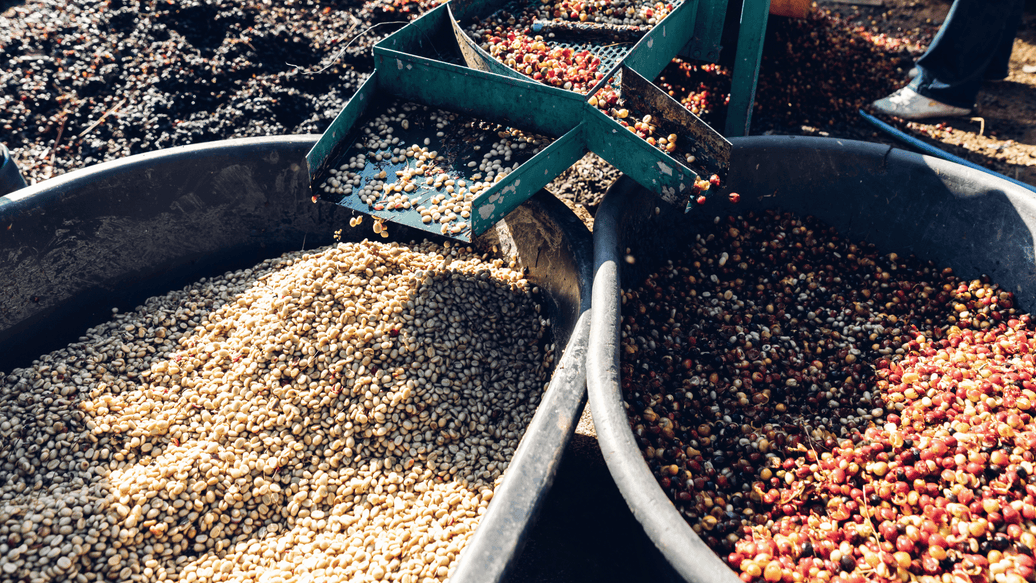
Coffee begins as a fruit called a coffee cherry. These cherries grow on coffee trees in regions with the right combination of elevation, climate, rainfall, and soil quality.
The best coffee farms focus on long-term agricultural practices that protect both the land and the quality of the crop. Healthy soil, responsible water use, and careful plant maintenance all contribute to better coffee.
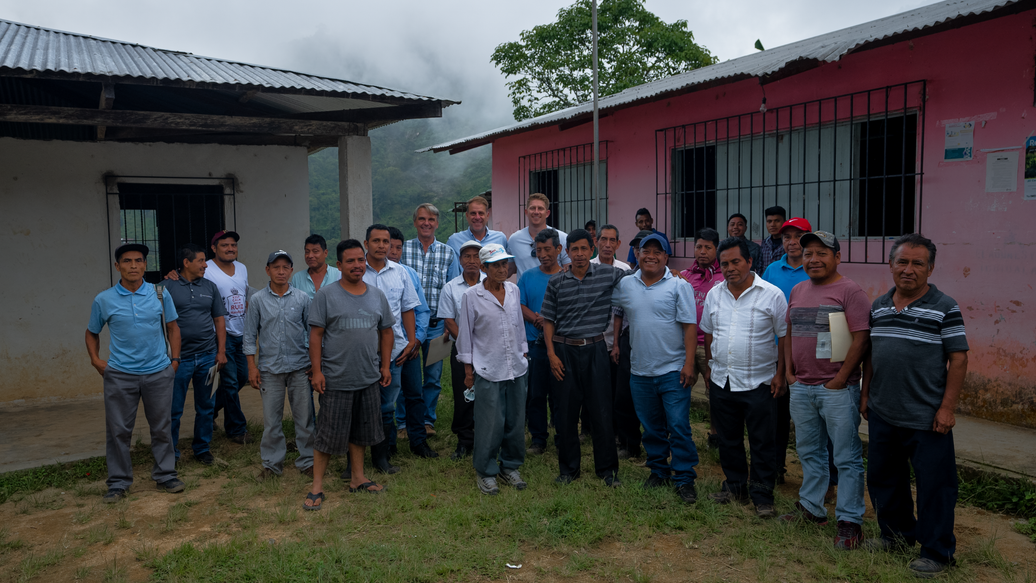
At Java City, many of our coffees come from long-standing coffee farming partnerships built over decades. These relationships with farmers help ensure consistency from harvest to harvest while supporting sustainable growing practices and reliable livelihoods.
Step 2: Coffee Harvest
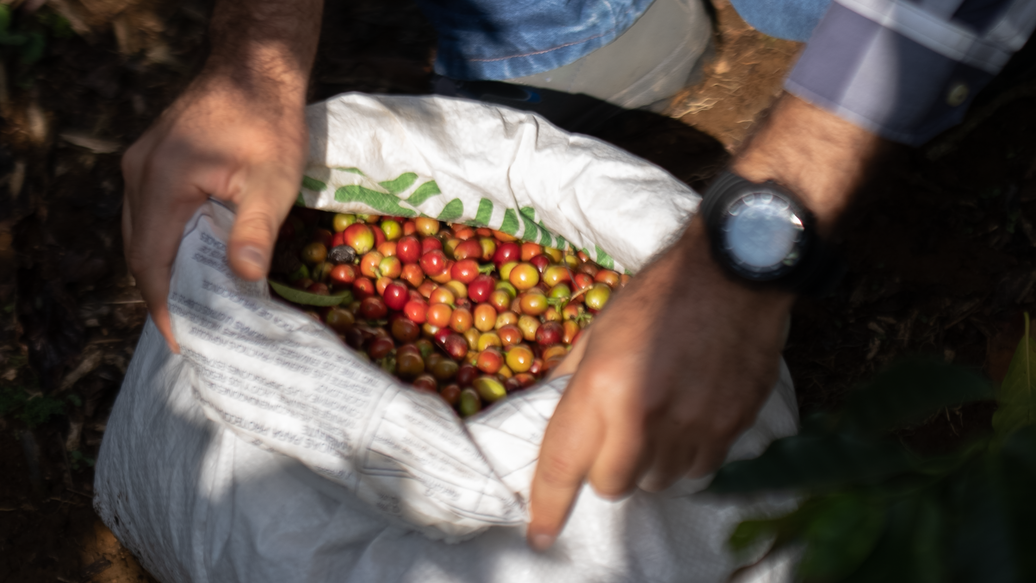
Once the cherries ripen, they are harvested by hand or machine, depending on the region and terrain.
For specialty coffee, hand-picking is often preferred because it allows workers to select only the ripest cherries. Ripeness matters because under-ripe or over-ripe cherries can negatively impact flavor.
Harvest timing also changes throughout the year depending on where the coffee is grown. Coffee-producing regions near the equator may have different harvest seasons than farms at higher elevations or in different climates.
This stage plays a major role in creating balanced sweetness and acidity in the final cup.
Step 3: Coffee Processing Methods
After harvesting, the coffee cherries must be processed to remove the fruit and prepare the beans for drying.
The processing method has a major influence on flavor.
Washed Coffee
Washed coffee is processed by removing the fruit from the bean before drying. This method often produces a cleaner, brighter cup with more clarity and acidity.
Many people associate washed coffee with crisp flavor notes and a lighter body.
Natural Coffee
Natural coffee is dried with the fruit still attached to the bean. During drying, the bean absorbs sugars and characteristics from the fruit itself.
This process can create sweeter, fruit-forward flavors with a heavier body and more complexity.
Learn more about washed vs natural coffee on our weekly blog.
Step 4: Milling and Export
Once dried, the coffee beans are milled to remove outer layers and sorted by size, density, and quality.
At this stage, green coffee beans are packaged and prepared for export.
Before shipping, many lots go through quality evaluations known as cupping sessions. Roasters and importers assess flavor, aroma, body, acidity, and consistency to determine whether the coffee meets quality standards.
Only after passing these evaluations does the coffee continue its journey.
Step 5: Small-Batch Coffee Roasting
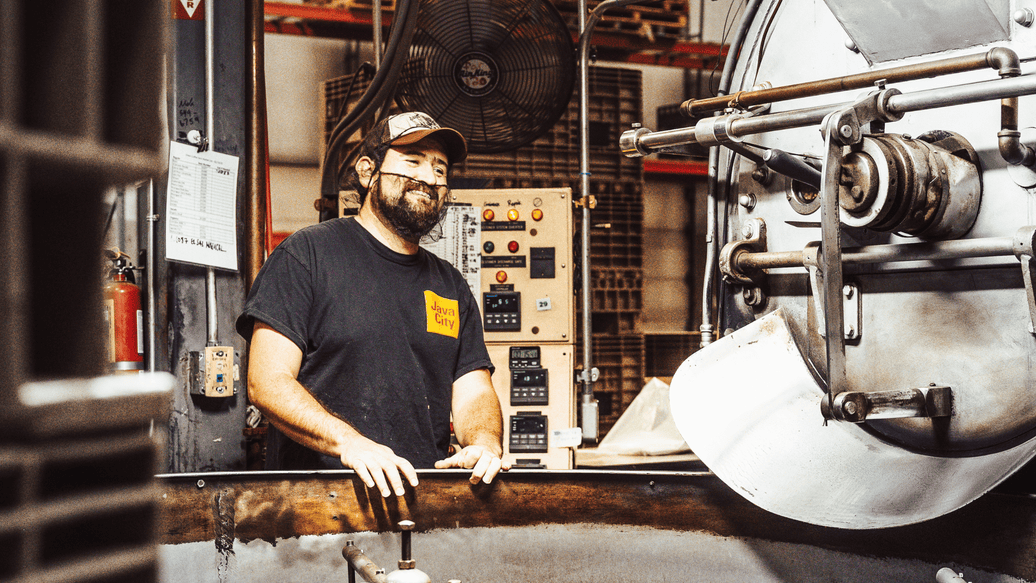
Green coffee beans arrive at the roastery, where roasting transforms them into the coffee people recognize. Roasting is part science and part craftsmanship.
During the coffee roasting process, heat changes the bean’s sugars, oils, and organic compounds. This creates aroma, body, sweetness, and flavor complexity.
Small batch coffee roasting allows roasters to control temperature, airflow, and timing more precisely. That attention to detail helps maintain consistency while highlighting the characteristics of each origin and blend.
Lighter roasts may showcase acidity and floral notes, while darker roasts create deeper caramelized flavors and a heavier body.
At Java City, roasting is approached with consistency and balance in mind. The goal is to create coffee that is approachable, reliable, and full of character.
Step 6: Packaging and Freshness
After roasting, coffee releases carbon dioxide through a process called degassing. Proper packaging protects freshness while allowing gases to escape without exposing the coffee to oxygen.
Freshness matters because coffee flavor begins to decline over time after roasting.
Factors like packaging quality, storage conditions, grind size, and brewing method all affect the final cup.
Step 7: Brewing the Coffee
The final stage is brewing.
Even the highest quality coffee can taste disappointing if brewed incorrectly. Water quality, brewing ratio, temperature, grind consistency, and equipment maintenance all play an important role.
When every step is handled carefully, the result is a balanced and enjoyable cup that reflects the work done throughout the entire coffee journey.
Why the Coffee Journey Matters
Coffee is one of the most complex agricultural products in the world.
From farming and processing to roasting and brewing, every stage contributes to the final flavor experience.
Understanding the journey behind a coffee bean helps explain why sourcing practices, roasting methods, and quality control matter so much. It also highlights the craftsmanship involved long before coffee ever reaches your cup.
FAQ
What is the difference between washed coffee and natural coffee?
Washed coffee has the fruit removed before drying, creating a cleaner and brighter flavor profile. Natural coffee dries with the fruit still attached, often resulting in sweeter and more fruit-forward flavors.
What does small-batch coffee roasting mean?
Small batch coffee roasting refers to roasting smaller quantities of coffee at a time for better control over consistency, temperature, and flavor development.
Why does coffee origin matter?
Coffee origin affects flavor because climate, elevation, soil quality, and farming practices all influence how the coffee develops.
How long does coffee stay fresh after roasting?
Coffee is generally best within a few weeks of roasting when stored properly in an airtight container away from heat, moisture, and light.
Does the coffee roasting process affect caffeine content?
Roast level slightly changes caffeine content, but the difference between light and dark roast is smaller than many people think.
Why is hand-picked coffee considered higher quality?
Hand-picking allows workers to select only ripe coffee cherries, which helps improve flavor consistency and reduce defects.
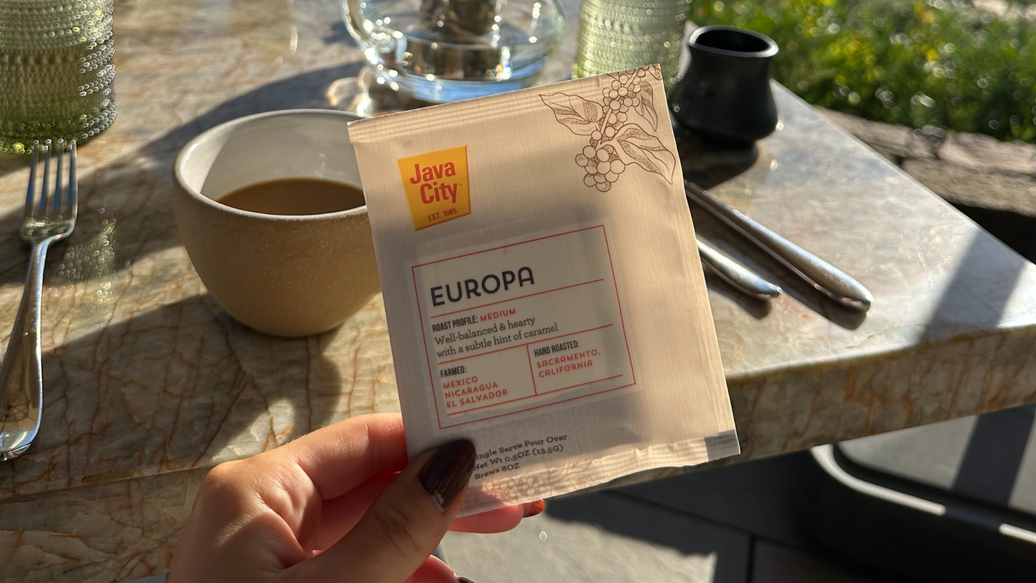
Ready to experience the craftsmanship behind every cup? Explore our Europa blend in convenient formats designed for both home and office brewing. Shop our Europa Coffee Pods for quick, balanced brewing or try our Java City Singles Europa for an easy single-serve option that delivers the same smooth, approachable flavor profile featured throughout our roasting process.