
Coffee Harvest Season
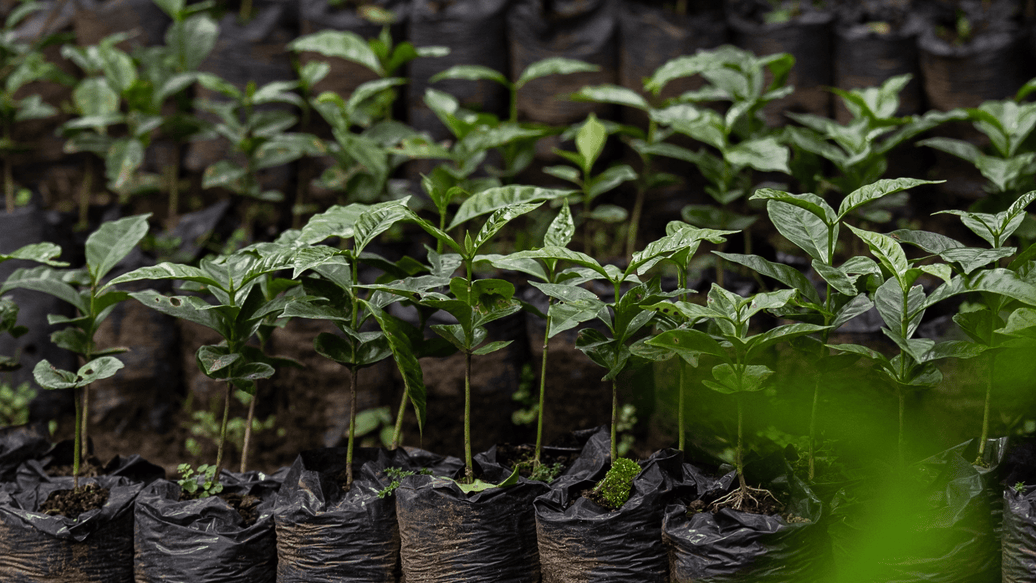
Coffee is more than a daily ritual, it’s the product of months of growth, care, and one of the most crucial times of year: coffee harvest season. For the coffee farmers we partner with around the world, harvest isn’t just about picking cherries off trees. It’s a demanding, precise process that directly shapes the flavor, smoothness, and consistency of every cup you enjoy from Java City.

When Is Coffee Harvest Season?
The coffee harvesting season varies depending on where the coffee is grown.
-
In Central America, harvest usually runs from November through March.
-
In South America, you’ll often see harvest between April and September.
-
In Africa and Asia, the timing shifts again depending on climate and altitude.
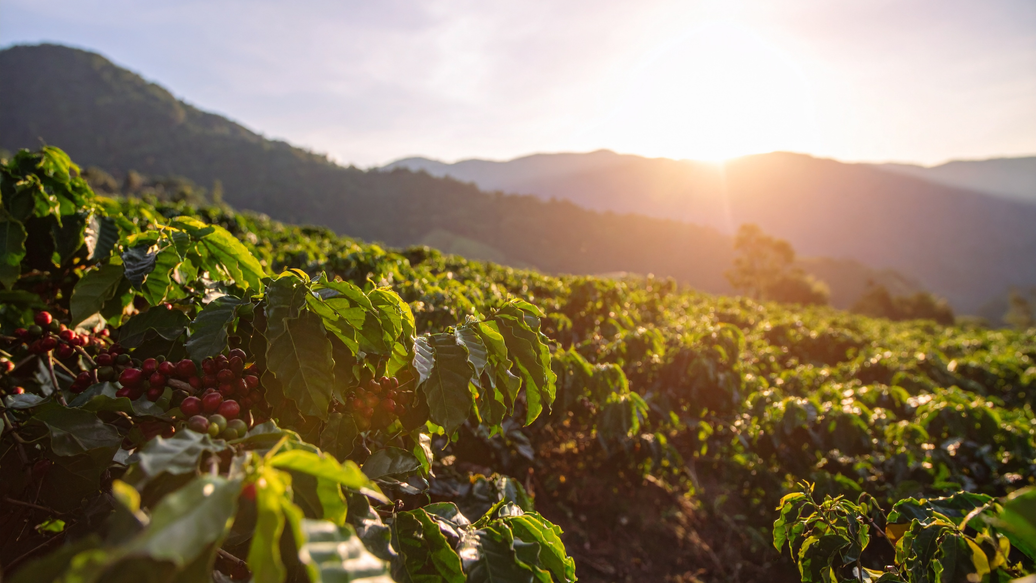
Because coffee grows best in the “Bean Belt” (the equatorial zone between the Tropics of Cancer and Capricorn), different regions stagger their harvest times. This allows Sacramento roasters like Java City to source freshly harvested beans throughout the year, ensuring a steady supply of high-quality coffee.
How Coffee Is Harvested
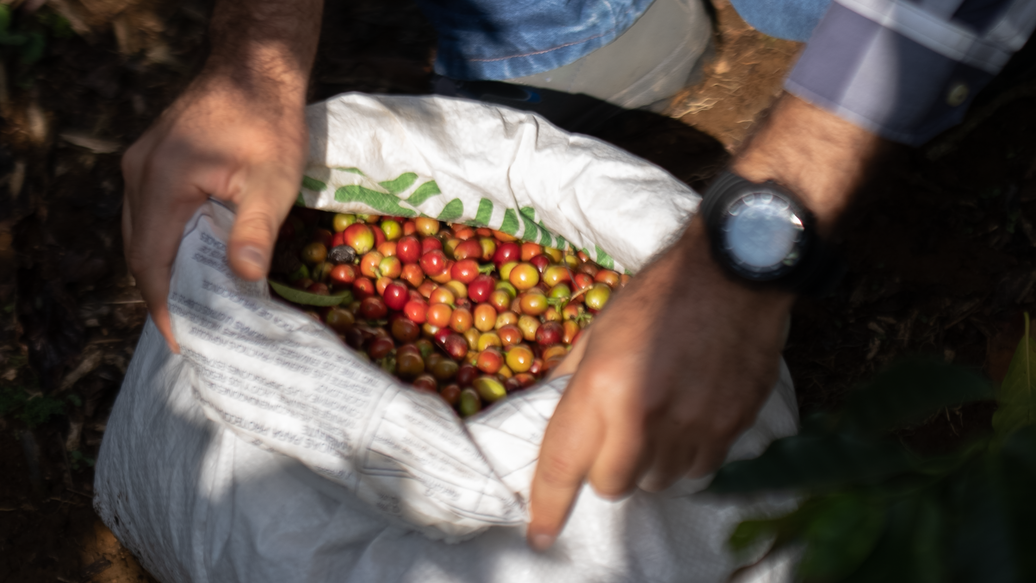
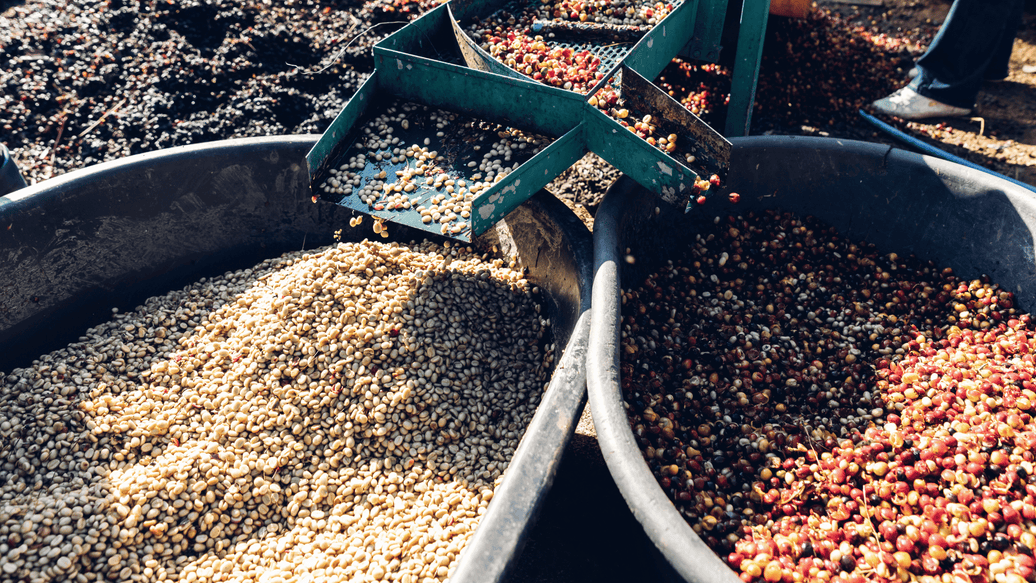
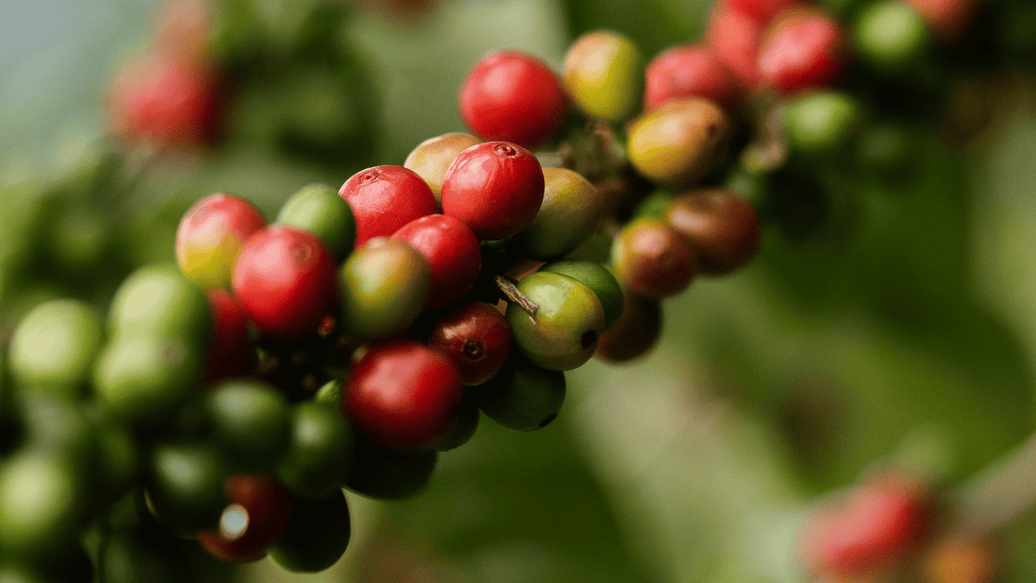
Once coffee cherries ripen, turning bright red, glossy, and plump, they’re ready to be picked. But not all cherries ripen at once, which is where precision comes in.
- Hand-Picking: Skilled pickers carefully select only ripe cherries, often returning to the same tree multiple times over several weeks. This method is labor-intensive but produces the best quality beans since unripe or overripe cherries are left behind.
- Strip-Picking: Entire branches are stripped at once, collecting ripe and unripe cherries together. This faster method is often used for lower-grade coffees or where efficiency outweighs flavor complexity.
At Java City, we work with farmers who prioritize selective harvesting, because we know that every decision in the field impacts the smooth, balanced taste in your cup.
The Reality of the Harvesting Process
Harvest season isn’t glamorous. Farmers and pickers often work on steep, muddy hillsides, carrying baskets that can weigh as much as their own body weight. It takes incredible endurance to walk up and down uneven terrain, gathering cherries day after day.
This dedication is part of why we value our farmer partnerships so highly. Many of the farms we work with are family-run operations. This is where generations have passed down both the land and the knowledge of how to produce outstanding coffee. Their precision and resilience are what allow us to deliver consistently smooth, flavorful blends.
Why Timing Matters for Quality
If cherries are harvested too early, the beans inside are underdeveloped, leading to sour or sharp flavors. Too late, and the cherries ferment, creating overly harsh or muddy notes. Picking at just the right time ensures the balance, body, and sweetness that makes Java City coffee stand out.
This timing is why harvest season is such a make-or-break moment. It’s also why we remain deeply connected to the farmers we partner with—because we know the work they do at this stage sets the foundation for everything that follows, from roasting to brewing.
From Harvest to Your Cup
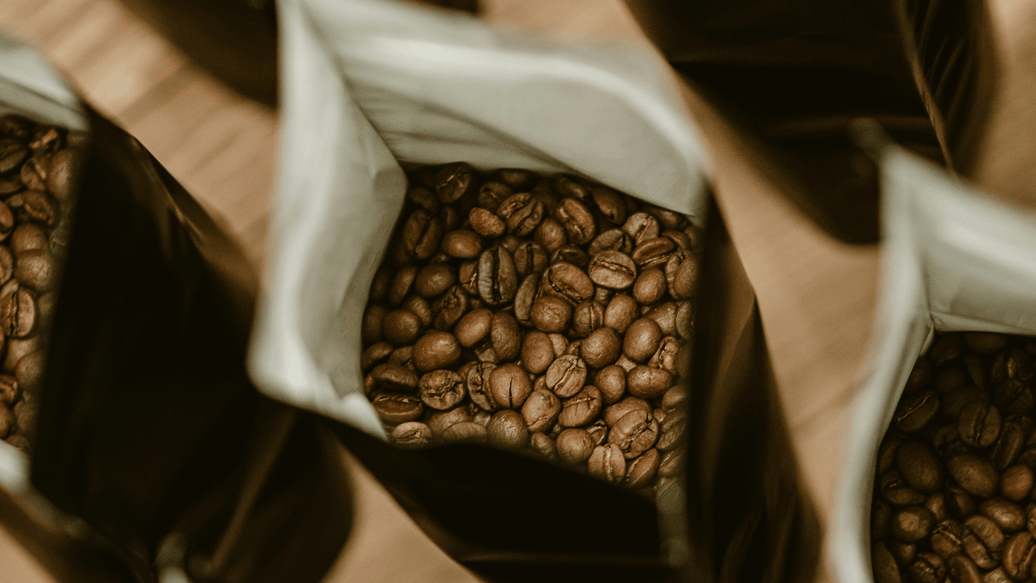
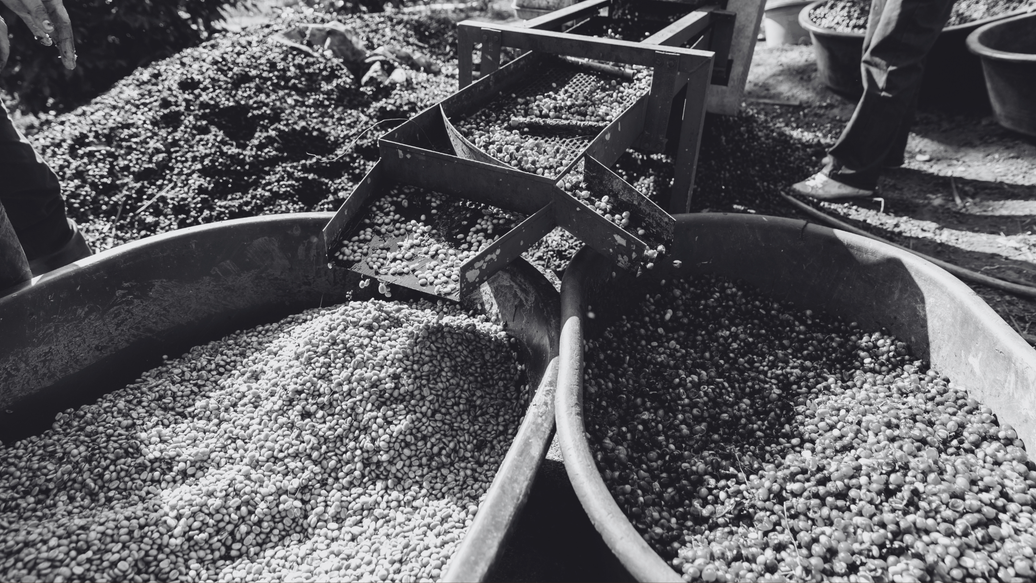
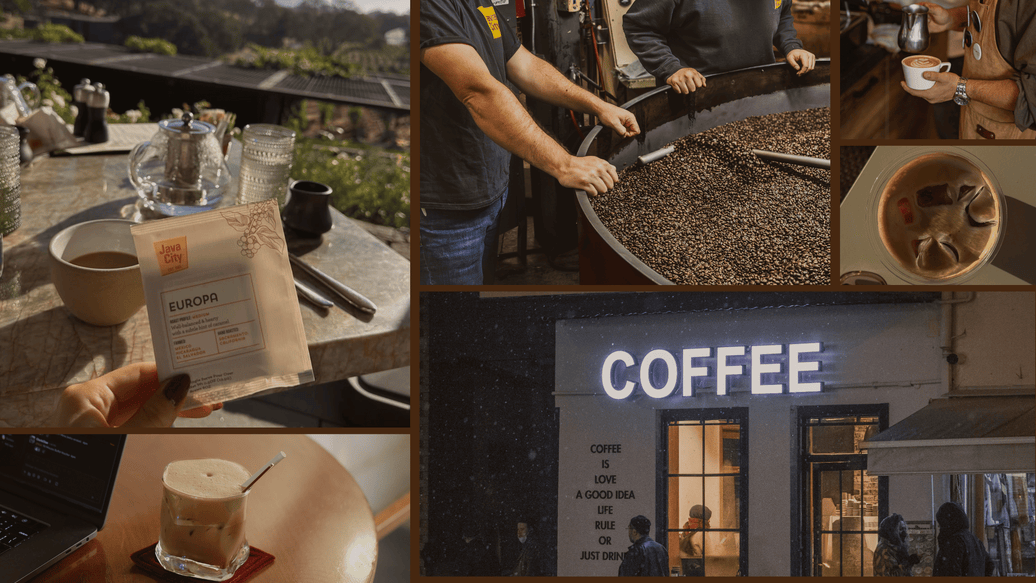
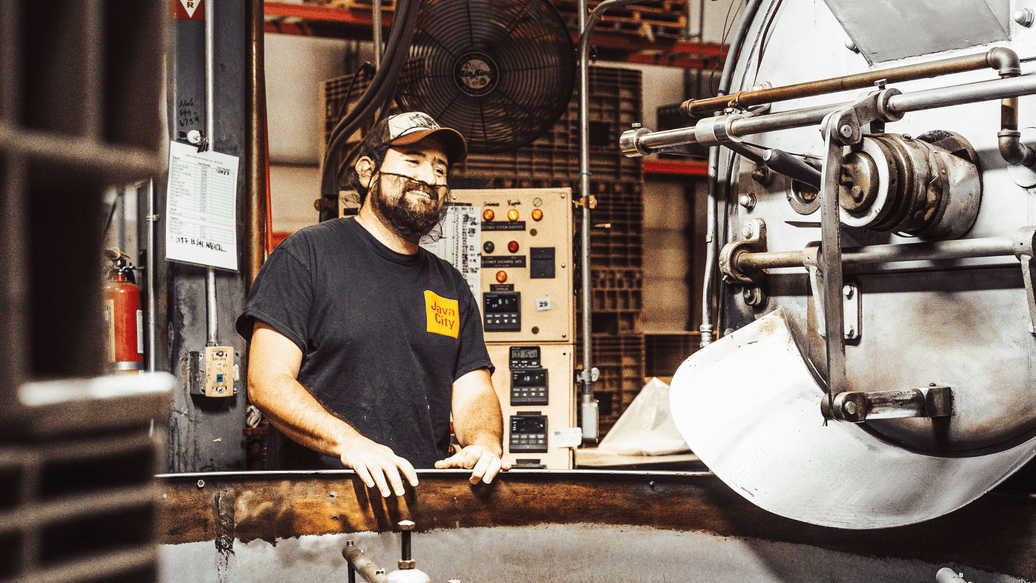
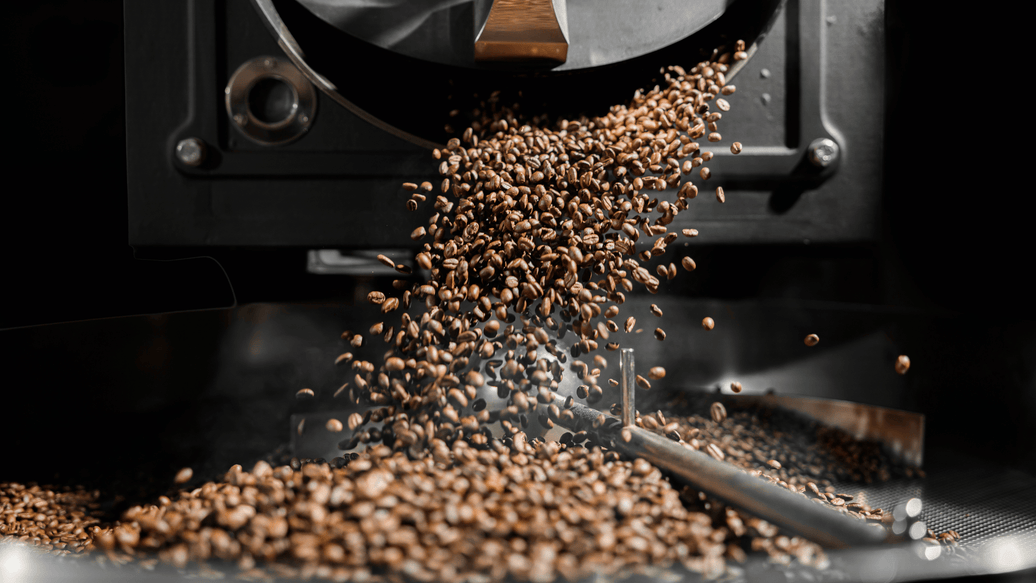
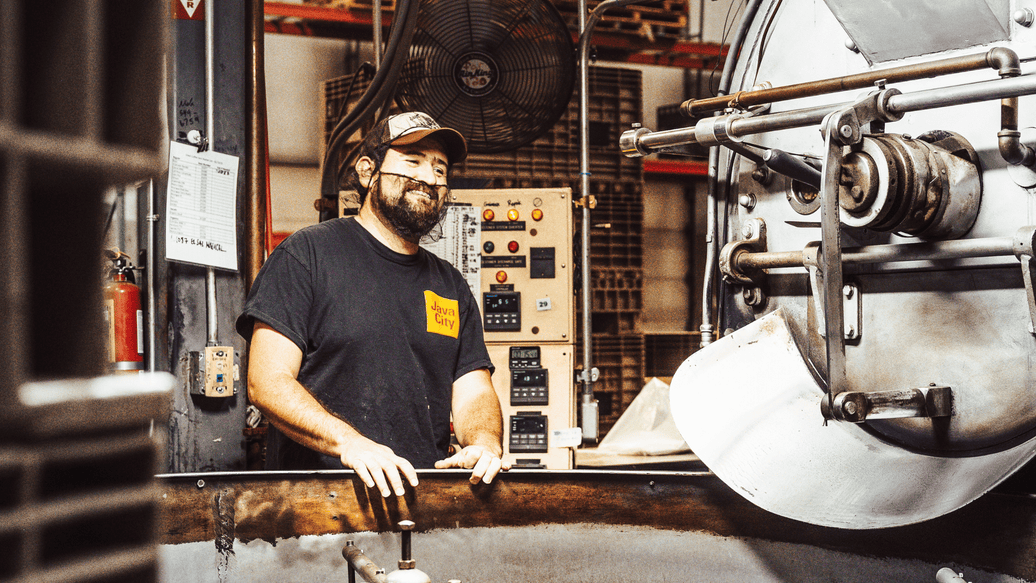
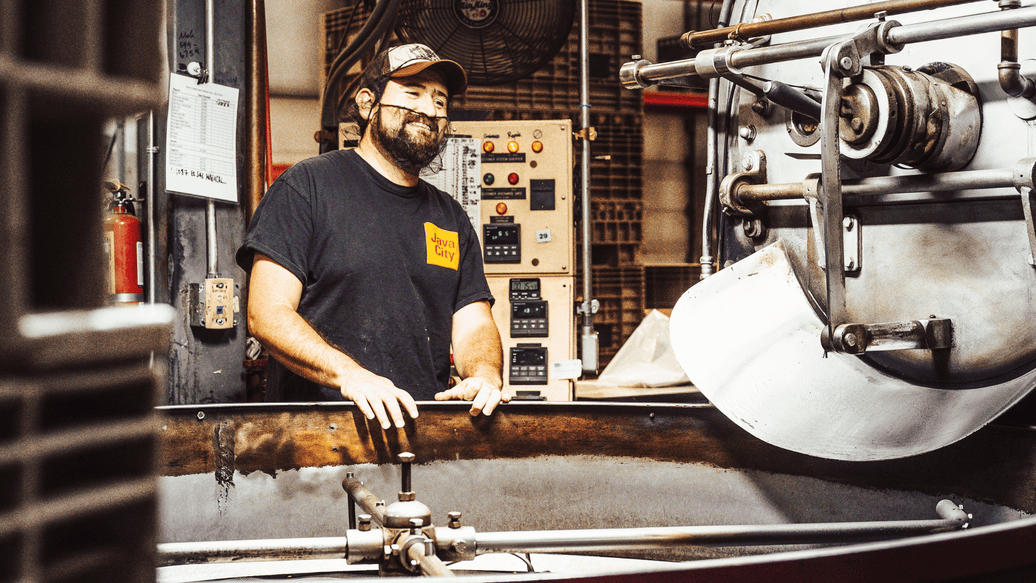
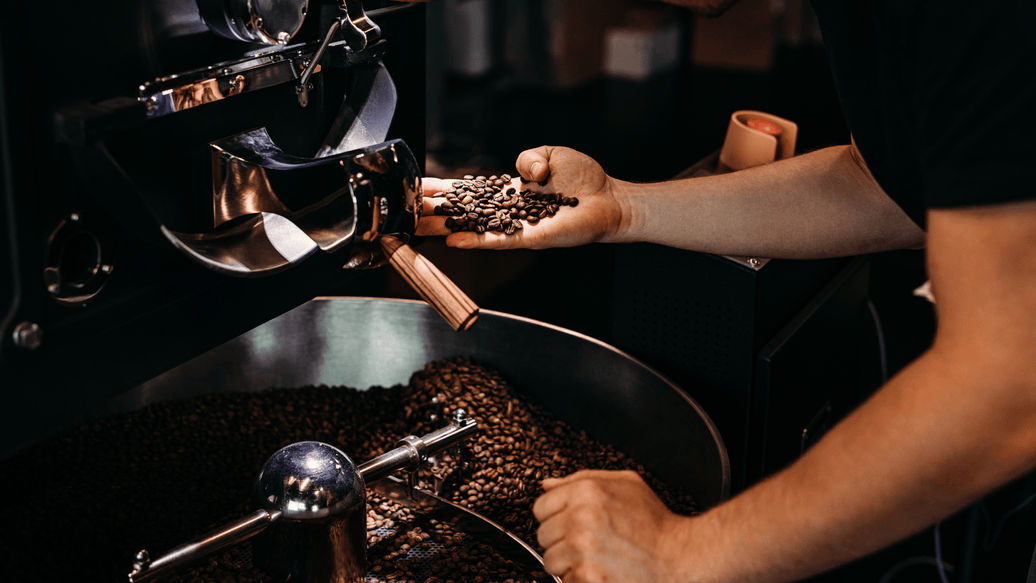
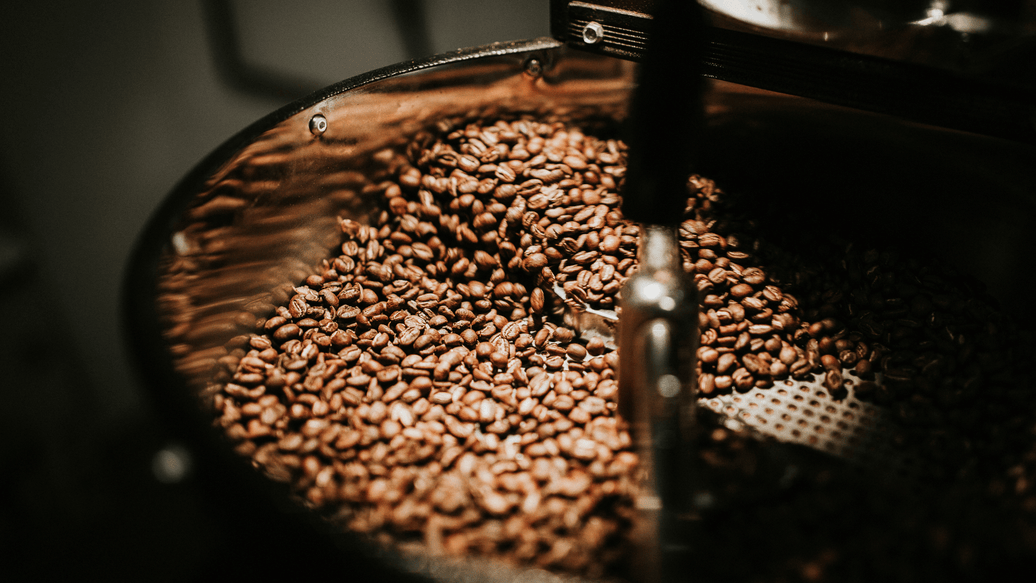
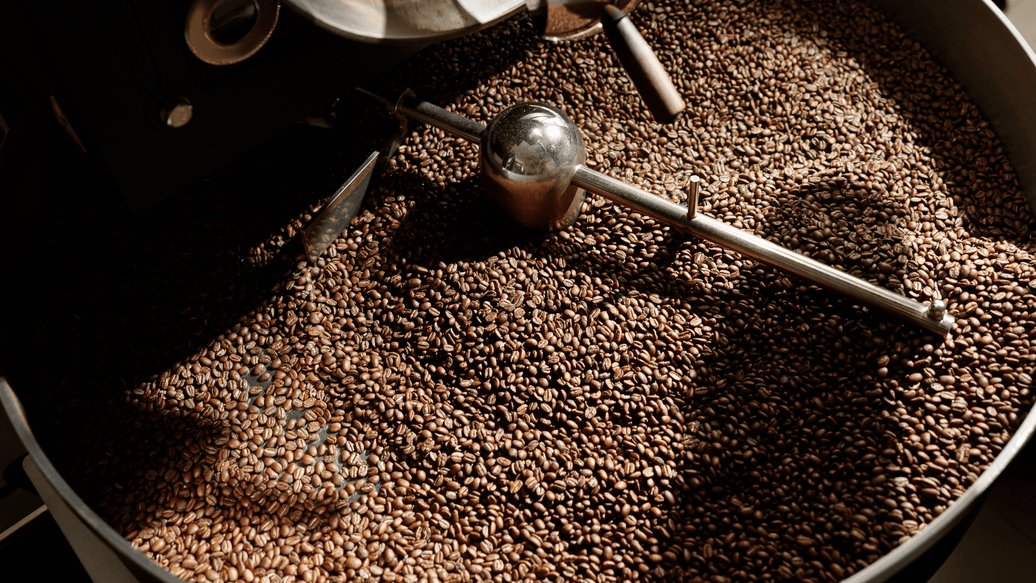
After picking, cherries are processed, dried, milled, and shipped to roasters like Java City. We then roast in small batches using traditional Italian brick-lined roasters, a technique that develops the natural sweetness and smooth body of the beans.
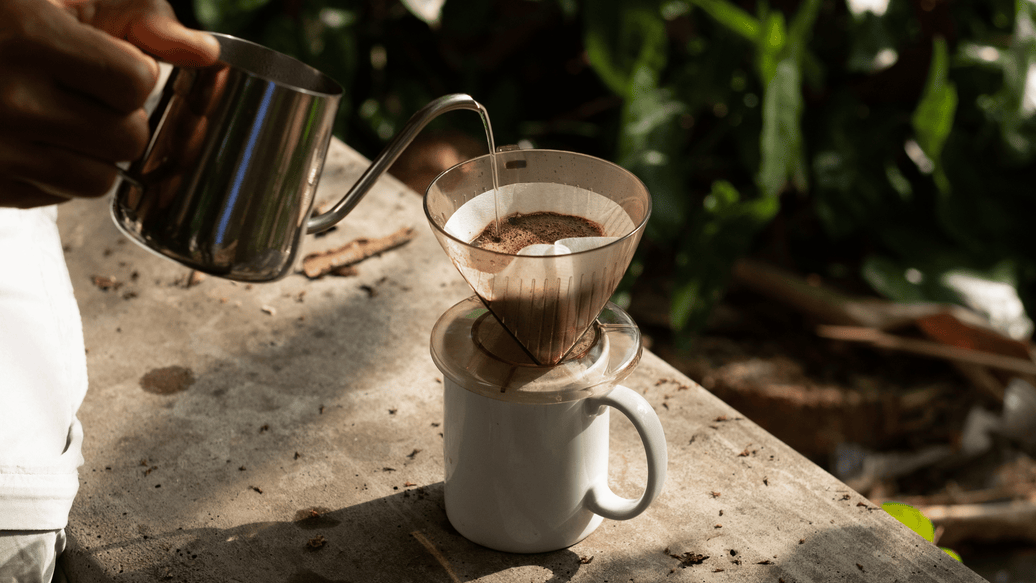
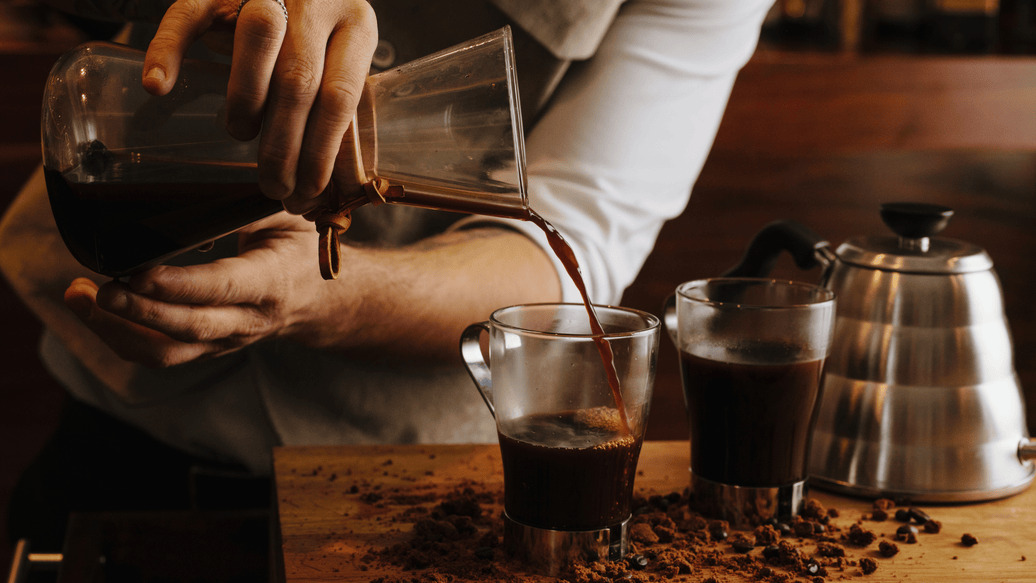
So when you sip a cup of Java City coffee, you’re tasting more than just a roast profile. Instead, you’re tasting the story of harvest season: the careful picking, the dedication of farmers, and the timing that preserves the coffee’s best qualities.