
When it comes to crafting the perfect cup, coffee roast levels play a major role in shaping flavor, aroma, and body. Whether you prefer a bright, fruity brew or something bold and smoky, understanding how roasting affects your coffee can help you select the right roast for your taste—or your business.
In this blog, our Sacramento coffee roasters break down how coffee roasting affects flavor, highlighting the key differences between light, medium, and dark roasts. Learn how each level influences the final flavor in your cup.

What Happens During Coffee Roasting?
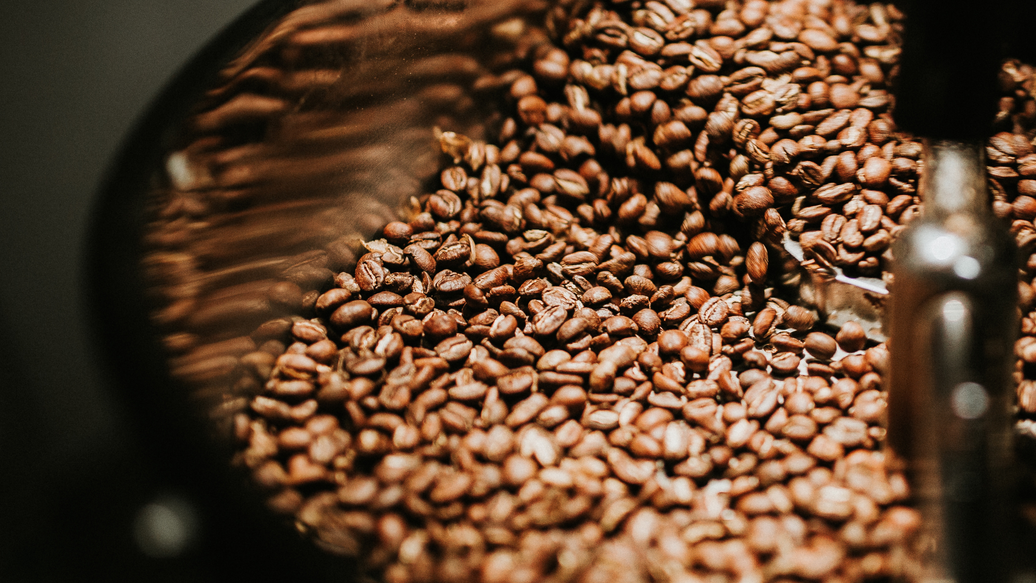
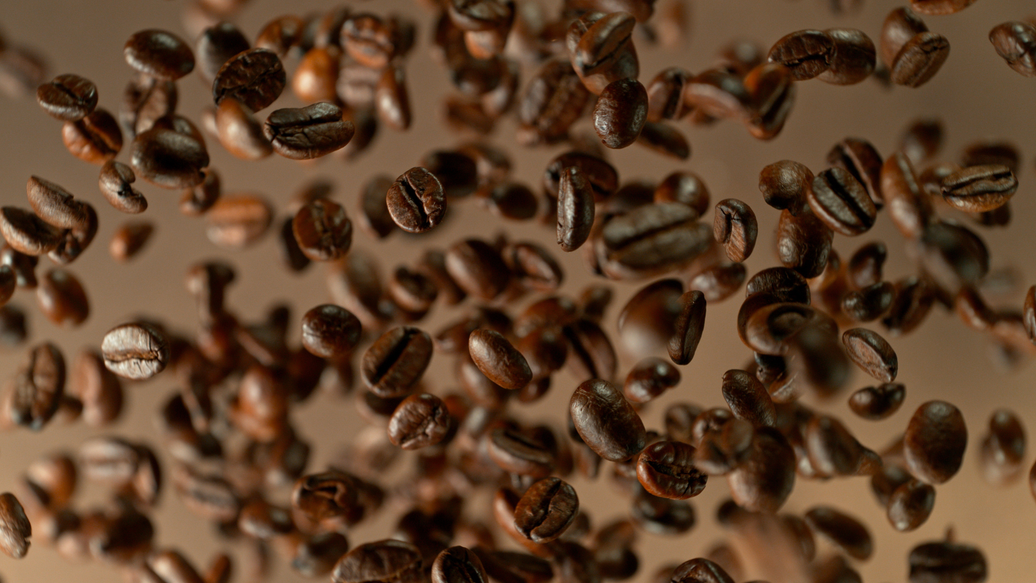
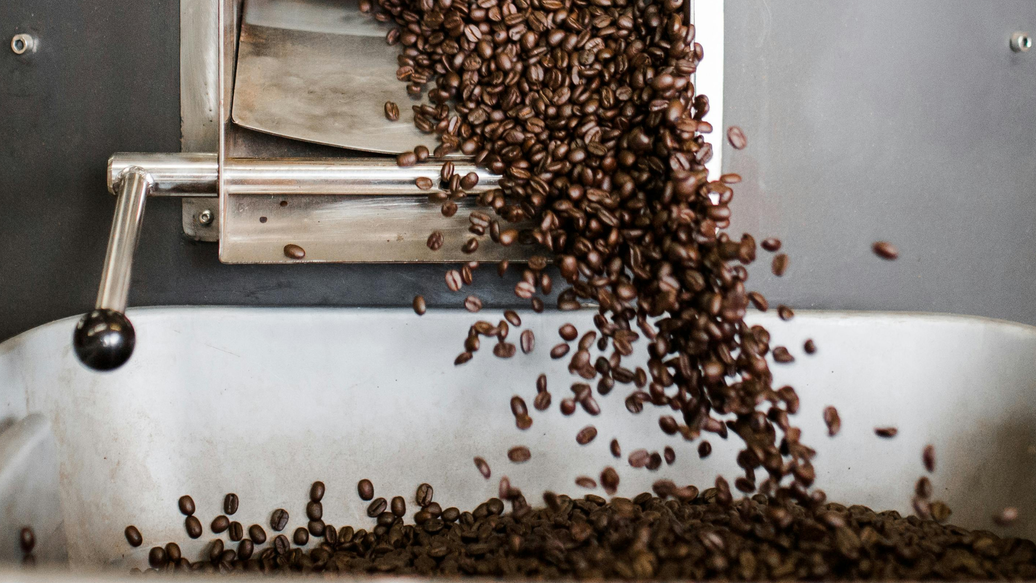
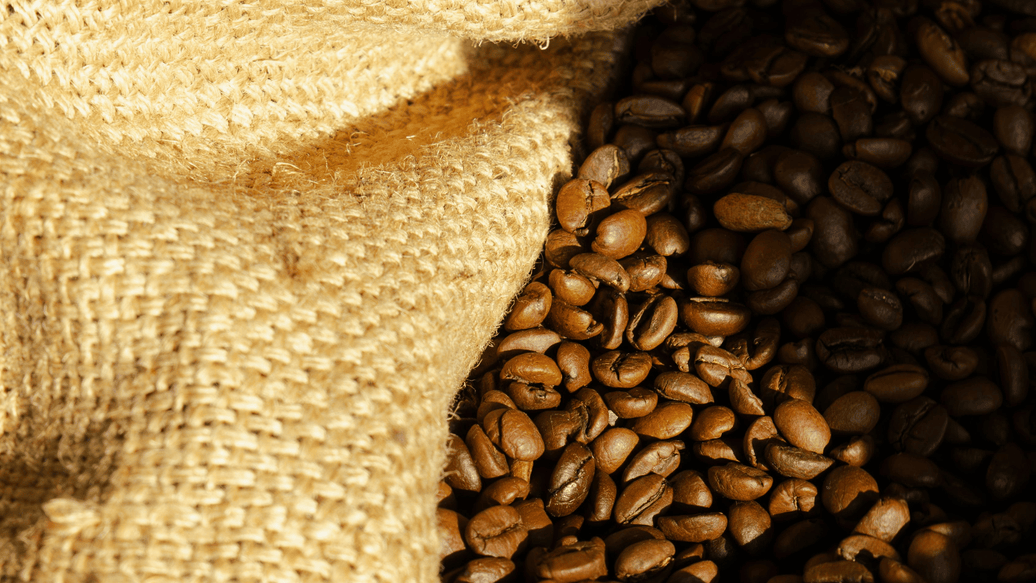
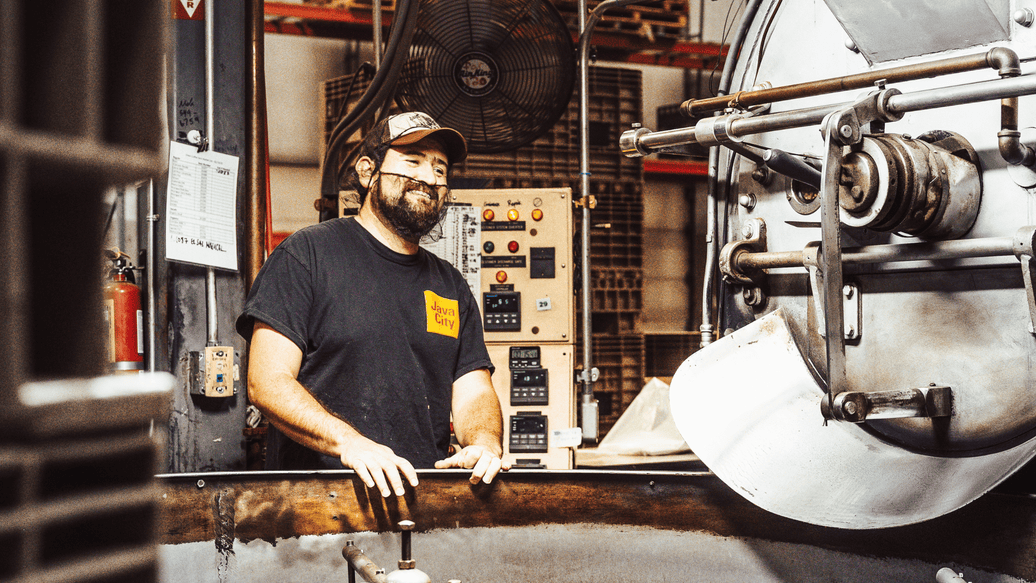
Roasters transform green coffee beans into the rich, aromatic ones we know and love by applying controlled heat. As they roast the beans, chemical reactions kick in: sugars caramelize, moisture evaporates, and the bean’s structure changes. These reactions shape the bean’s final flavor, color, and aroma.
Longer, hotter roasts darken the beans, bring oils to the surface, and mute the bean’s original characteristics in favor of deeper roasted notes. That’s why the roast level plays such a critical role in how your coffee tastes.
Light Roast Coffee: Delicate & Complex
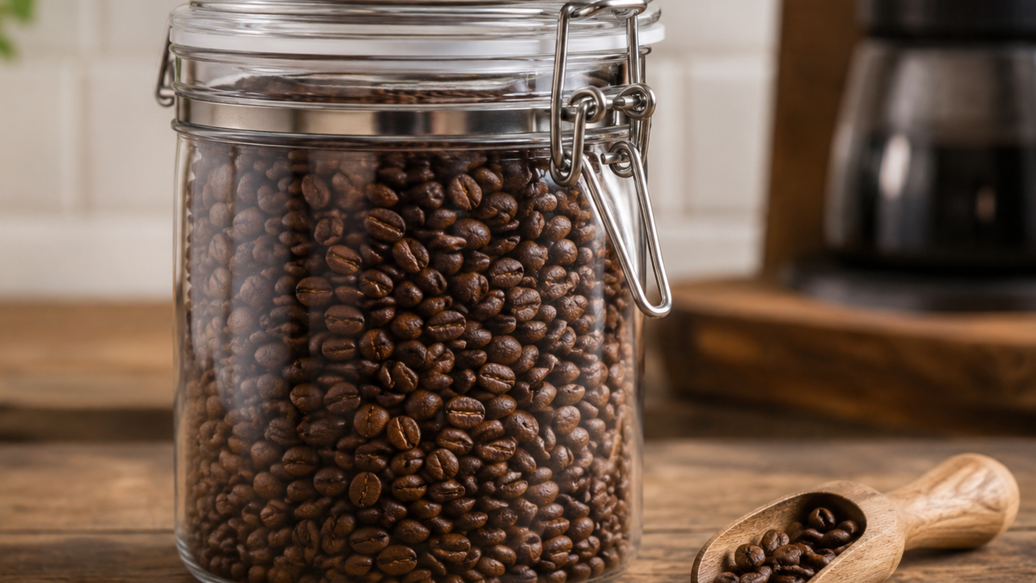
Light roast coffee is roasted to an internal temperature of about 356–374°F, often stopping just before or at the “first crack.” These beans are light brown, dry on the surface, and retain much of their original origin flavors.
Light roast coffee flavor is often described as:
- Bright or acidic
- Fruity or floral
- Tea-like in body
- Complex, with layered notes
Additionally, this roast level is ideal for highlighting the unique characteristics of single-origin beans, such as Ethiopian coffee or Guatemalan beans. Because the original flavor profile is preserved, it’s popular among specialty coffee drinkers and perfect for pour-over or drip methods.
If you love light roast coffee, try our Light The Bean Sacramento—a bright, lightly roasted blend with crisp citrus and floral notes, perfect for a refreshing morning cup.
Medium Roast Coffee: Balanced & Approachable
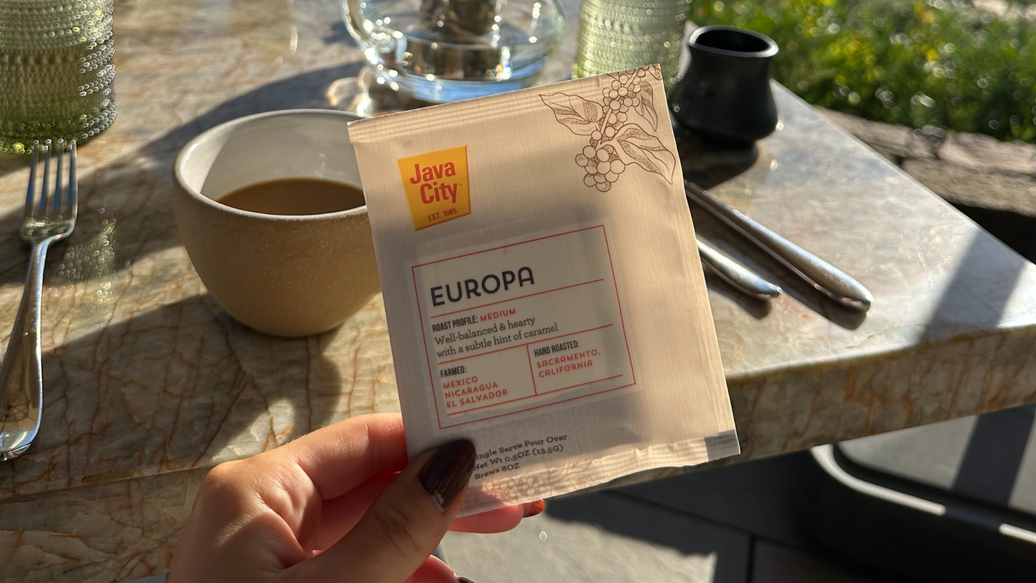
Next, we have medium roast coffee. Medium roast coffee is roasted to a temperature between 410–430°F, typically past the first crack but before the second. These beans are medium brown with a dry surface, striking a harmonious balance between origin flavor and roast development.
Medium roast coffee characteristics include:
- Rounded acidity
- Balanced sweetness and body
- Notes of chocolate, caramel, or nuttiness
- Smooth finish
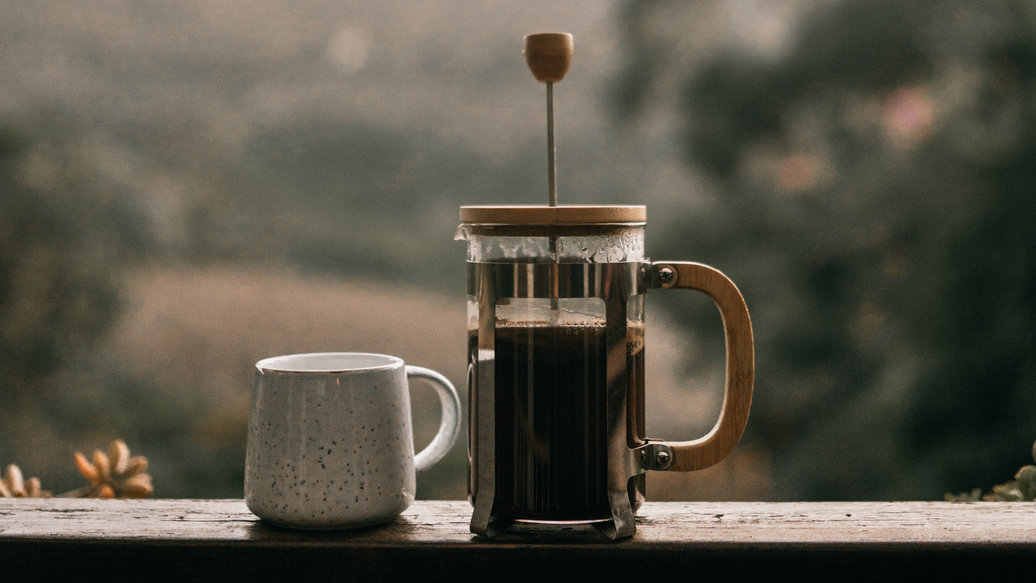
This roast appeals to a wide range of palates and is the most common choice for house blends or breakfast blends. It’s approachable, versatile, and ideal for drip machines, French press, or espresso.
If you enjoy medium roast coffee, try our Ladies To The Front. This is a smooth, balanced blend with notes of caramel, almond, and just a hint of brightness to round it out.
Dark Roast Coffee: Bold & Roasty
Lastly, we have dark roast coffee. Dark roast coffee is roasted to temperatures above 440°F, reaching or surpassing the “second crack.” These beans are dark brown to nearly black with a shiny, oily surface.
Notably, dark roast coffee flavor is often:
- Full-bodied and heavy
- Bitter or smoky
- Low in acidity
- Rich with notes of dark chocolate or toasted spices
This roast minimizes the bean’s origin characteristics and emphasizes the roast itself. Additionally, it’s commonly used in Italian and French-style roasts.
Craving boldness? Our 40th Anniversary Blend delivers full-bodied flavor with dark chocolate depth and smoky undertones—perfect for those who love a rich, dark roast.
Which Roast Is Right for You?
Choosing between light, medium, and dark roast coffee depends on your preferences and goals. For cafes or office programs catering to a broad audience, a medium roast offers a safe and satisfying middle ground. For third-wave shops or customers looking to explore unique flavor profiles, light roasts may stand out. And for those who crave bold, nostalgic flavors, dark roasts deliver that classic richness.
If you’re shopping for your business or looking to expand your wholesale coffee offerings, understanding how roasting affects flavor helps you create a better coffee experience for your customers. From delicate and complex to bold and familiar, there’s a roast for every taste.
Final Sip: The Power of Roast
Roast level isn’t just about color or strength—it’s a roadmap to flavor. By knowing the differences between roast types and how roasting affects coffee flavor, you can make more informed choices for your palate or your coffee program.
Want to explore small-batch roasted options that cater to every roast level? Check out our wholesale coffee offerings to bring better beans to your brew.