Espresso roast is coffee roasted with espresso brewing in mind. It is not a separate kind of bean, and there is no rule that says espresso must be dark roasted. You can make espresso with any coffee bean if it is ground appropriately for your machine. The roast determines much of the flavor you taste; the espresso machine, grind, and brewing recipe determine how that coffee becomes a shot.
That distinction helps when you are shopping for espresso coffee beans. A bag labeled “espresso” tells you how the roaster intends the coffee to taste when brewed as espresso. It does not mean the beans can only be used in an espresso machine.

What Does “Espresso Roast” Mean?
Espresso roast describes a roaster’s approach to creating coffee that tastes good as a concentrated shot. Traditionally, that often meant a darker roast with prominent chocolate and toasted flavors. Today, an espresso roast might be medium or dark, depending on the flavor the roaster wants to bring out.
There is no single roast level required for espresso. Java City’s Espresso Tempo, for example, is a medium roast designed to taste smooth in milk-based drinks. Espresso Valeroso is also described as a medium roast, with a fuller, caramel-forward profile.
The word espresso refers primarily to the brewing method. An espresso machine pushes hot water through finely ground coffee under pressure to produce a small, concentrated drink. The Specialty Coffee Association’s discussion of espresso focuses on preparation variables such as dose, grind, pressure, and brew time, rather than requiring a particular roast level. Specialty Coffee Association
Espresso Roast vs. Coffee: Is There Actually a Difference?
All espresso starts with coffee beans. The difference between “espresso roast” and a bag labeled simply “coffee” is usually the intended flavor and brewing use, not the type of bean.
A roaster may develop an espresso coffee to taste balanced as a small, concentrated drink or to remain noticeable after milk is added. A coffee sold for drip brewing may highlight different qualities. Either one can be tried in an espresso machine, though you may prefer the results from one over the other.
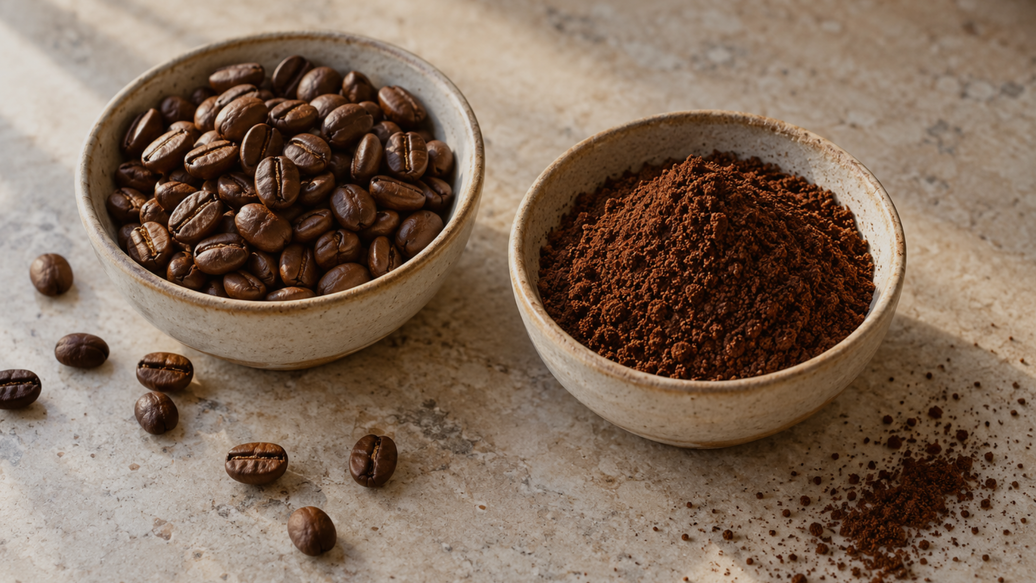
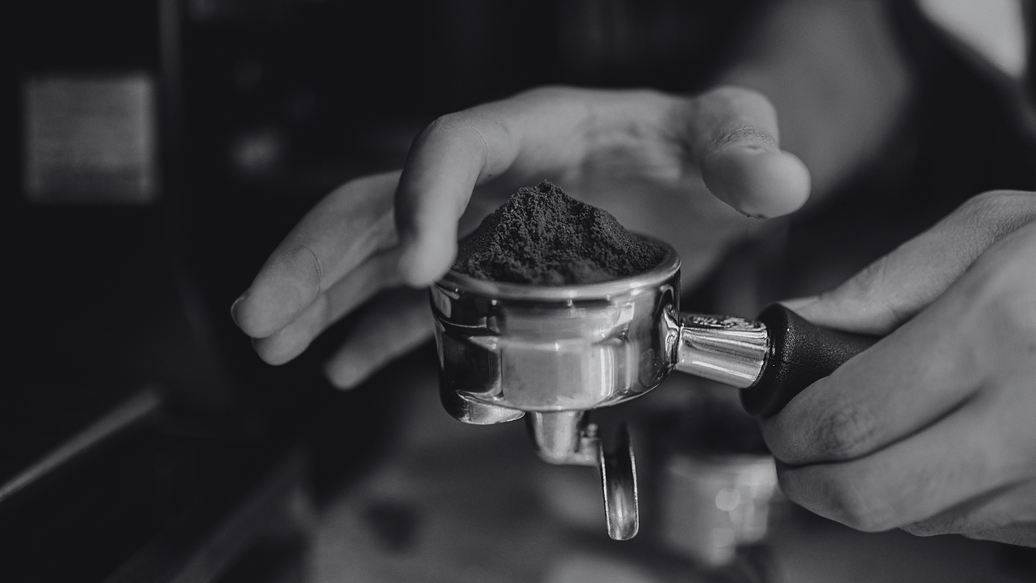
The label also does not describe the grind. Whole beans labeled “espresso roast” still need to be ground for your brewing method. If you buy ground coffee, check that the grind suits your machine; a typical drip grind is generally too coarse for a traditional espresso setup. For a closer look at why this matters, read our guide to coffee grind size.
Can You Use Regular Coffee Beans for Espresso?
Yes. If you have a bag of coffee you enjoy, you can try it as espresso. Grind it fresh, adjust your grinder for your machine, and taste the shot before deciding whether you like it brewed that way.
The result may differ from what you expect from a traditional espresso blend. A lighter coffee can produce a bright, lively shot that some people love on its own. A medium or darker coffee may give you more of the chocolate, caramel, or roasted flavors you want in a latte. These are flavor preferences, not rules about which beans qualify as espresso beans.
The same flexibility works in the other direction: you can brew many coffees labeled for espresso in a drip machine or pour-over. Java City’s Espresso Tempo vs. Valeroso comparison notes that Valeroso can work for both espresso and brewed coffee.
How Do Roast and Grind Affect an Espresso Shot?
Roast and grind do different jobs. Roasting shapes the coffee’s available flavors. Grinding helps control how those flavors are extracted during brewing.
A lighter roast may emphasize brighter flavors and a more noticeable acidity. A darker roast may lean toward deeper roasted flavors and bitterness. A medium roast can sit between those profiles, though origin and the roaster’s choices matter too. The best roast for espresso is the one that produces a shot you enjoy, whether you drink it straight or with milk.
Grind size can change the taste of that same coffee dramatically. If the grind is too coarse for your setup, water may pass through too quickly and the shot may taste thin or sharp. If the grind is too fine, the shot may run slowly and taste harsh or bitter. When trying a new coffee, make small grinder adjustments and taste the difference. This process is often called dialing in; the Specialty Coffee Association explains how baristas adjust grind, dose, and extraction to find the best flavor from a coffee.
How Are Espresso Blends Developed?
A roaster builds an espresso blend around a flavor goal. One coffee might contribute body, another sweetness, and another a brighter finish. The roaster then adjusts the components and roast profiles to create a result that tastes consistent and works for the drinks the blend is intended to make.
That goal matters. A café serving mostly lattes may want an espresso with enough cocoa or caramel character to remain present in milk. Someone who drinks espresso straight may prefer a different balance of body, sweetness, and acidity.
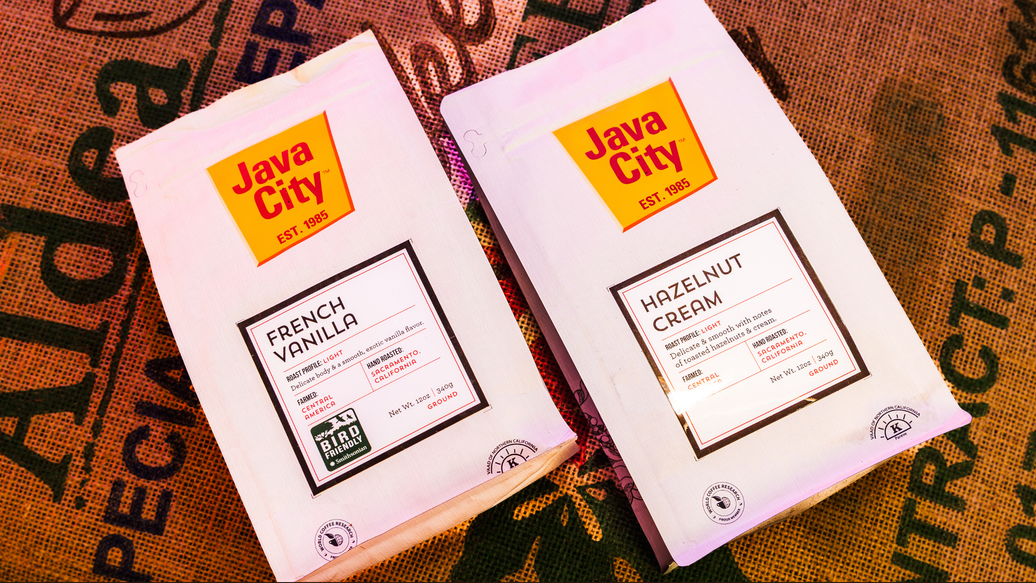
Java City’s two espresso offerings show how different those goals can be:
-
Espresso Tempo has a smooth body and bright finish. Java City blends it to complement milk-based drinks, making it a natural choice for lattes and cappuccinos.
-
Espresso Valeroso has a heartier, caramel-forward profile suited to straight shots, Americanos, and brewed coffee. Java City describes making it by roasting coffee from one origin in two separate batches, then combining those roast profiles. It shows that creating complexity for espresso does not always mean combining beans from multiple origins. Find it in the Java City coffee collection.
For a more detailed flavor and brewing breakdown, see Espresso Tempo vs. Valeroso.
What Is the Best Coffee for Espresso?
Start with how you like to drink it. If your usual order is a latte or cappuccino, look for an espresso coffee designed to taste balanced with milk. If you prefer a straight shot, pay closer attention to tasting notes that appeal to you on their own. If you use the same beans for espresso and drip coffee, choose a coffee you enjoy both ways.
Then consider what you can brew consistently. Fresh whole beans and a grinder you can adjust will give you more control than buying a fixed grind, especially when you switch coffees. The right beans matter, but so does taking a few shots to dial them in.
You do not need a special species of coffee or a dark roast to make espresso. You need coffee you like, an appropriate grind, and an espresso setup that lets you bring out its best flavor. “Espresso roast” is a useful clue about the roaster’s intention. Your taste is the final test.